$10M
Estimated Net Worth
As of 2024 • medium confidence
Financial Breakdown
Asset Distribution
Assets vs Liabilities
Assets
Disclaimer: These financial estimates are based on publicly available information and should be considered approximate. Last updated: 12/31/2025
Biography
Introduction: The Pan-African Musical Pioneer
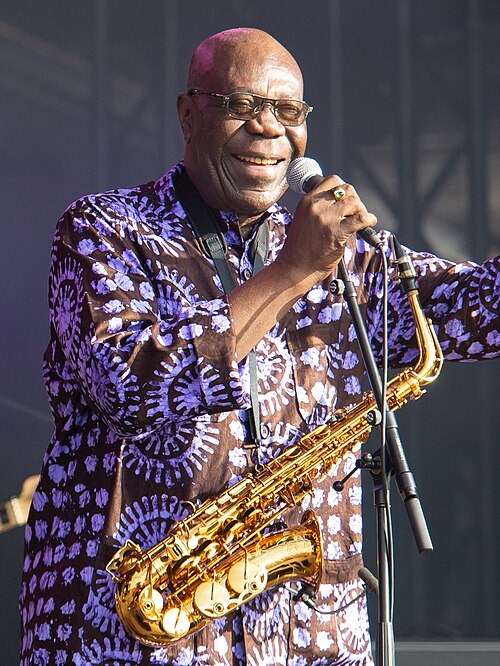
Emmanuel N'Djoké "Manu" Dibango† was a towering figure in global music, a saxophone legend whose career spanned over six decades and whose influence bridged continents. Hailing from Cameroon, Manu Dibango† is most famously known as the creator of the 1972 anthem "Soul Makossa," a track that became one of the first African records to achieve worldwide commercial success. Its infectious groove and iconic "mama-se, mama-sa, mama-ma-ko-ssa" chant would later be famously interpolated by Michael Jackson in "Wanna Be Startin' Somethin'," cementing its place in pop history. More than a one-hit wonder, Dibango was a masterful innovator who pioneered Afro-jazz, seamlessly fusing traditional Cameroonian makossa rhythms with American jazz, funk, and soul. His work laid a crucial foundation for world music and inspired generations of artists across the globe, making him a true icon in the Entertainment and Music world.
Early Life & Education: Forging a Musical Identity
Manu Dibango† was born on December 12, 1933, in Douala, Cameroon. His father was a civil servant from the Yabassi ethnic group, and his mother was a fashion designer who led a Protestant choir, providing his first exposure to music. At age 15, Dibango left Cameroon for France in 1949 to continue his studies. It was in Saint-Calais, and later in Chartres and Reims, that his musical journey truly began. While excelling academically, he discovered jazz and was captivated by the sounds of American greats like Louis Armstrong and Sidney Bechet.
He initially learned the piano and mandolin before dedicating himself to the saxophone and vibraphone. His formative years in France were a cultural melting pot, exposing him to the burgeoning African diaspora community in Paris. He played in bands with other future legends, including fellow Cameroonian Francis Bebey. In 1956, he married a French woman and began performing in Belgian nightclubs, a period that honed his stagecraft and deepened his fusion of African roots with Western jazz and pop sensibilities. This unique bicultural experience became the bedrock of his signature sound.
Career & Major Achievements: A Global Groove
Manu Dibango's† professional career took off in the Congo (then Léopoldville) in the early 1960s, where he led the orchestra for African Jazz, the legendary band of Congolese star Joseph Kabasele (Le Grand Kallé). This experience immersed him in Central African rhythms and the vibrant pan-African music scene. Returning to France in 1965, he formed his own band and released a series of albums that explored jazz and funk with an African accent.
The "Soul Makossa" Phenomenon
The pivotal moment arrived in 1972. Commissioned to write a song for the African Cup of Nations soccer tournament in Cameroon, Dibango created "Mouvement Ewondo," which evolved into the B-side "Soul Makossa." The track, with its irresistible saxophone riff, hypnotic bassline, and chant, was an instant hit in Africa. By 1973, it had been discovered by DJs in New York City's burgeoning disco scene, leading to a licensing deal with Atlantic Records. "Soul Makossa" exploded internationally, climbing to #35 on the Billboard Hot 100 and selling millions of copies. It became a foundational track for disco, funk, and later, hip-hop, being sampled by countless artists.
International Collaborations and Advocacy
Propelled by this success, Manu Dibango† embarked on a relentless international touring schedule. He collaborated with a staggering array of music giants, including:
- Fela Kuti (Nigeria)
- Herbie Hancock and Don Cherry (USA)
- Bill Laswell (USA)
- Peter Gabriel (UK)
- and the French electronic duo Gotan Project.
His 1994 album "Wakafrika" was a landmark project, featuring an all-star cast of African musicians like Youssou N'Dour, Salif Keita, and King Sunny Adé. Beyond performance, Dibango was a thoughtful advocate for African artists' rights. He served as the first chairman of the Cameroon Music Corporation and was a UNESCO Artist for Peace. His 1989 autobiography, "Three Kilos of Coffee," offered a poignant account of his life and the African immigrant experience.
Personal Life, Legacy, and Passing
Manu Dibango† was known for his warm personality, sharp intellect, and sartorial elegance, often seen in his signature stylish hats. He was a family man and a global citizen who maintained a deep connection to his Cameroonian heritage while embracing the world. His legacy is multifaceted and profound. Musically, he is celebrated as a father of Afro-jazz and a key architect in bringing African music to the global mainstream. He demonstrated that artistic innovation rooted in tradition could achieve universal appeal.
Tragically, Manu Dibango† passed away on March 24, 2020, in Paris, from complications related to COVID-19. His death was mourned worldwide as the loss of a genuine cultural ambassador. His influence echoes in the work of artists from Angelique Kidjo to contemporary Afrobeat and jazz musicians. He received numerous accolades, including Cameroon's highest honor, the Grand Croix des Ordres Nationaux de Valeur. The enduring power of "Soul Makossa" and his vast catalog ensures that the soulful sound of Manu Dibango† will continue to inspire and move people for generations to come.
Net Worth & Business Ventures
While exact figures for his net worth were never publicly confirmed, Manu Dibango's† successful six-decade career, fueled by international record sales, relentless worldwide touring, and high-profile collaborations, undoubtedly afforded him financial comfort and stability. His business acumen was evident in his advocacy for musicians' rights and royalties. The commercial success of "Soul Makossa" alone, through sales, licensing, and samples (most notably the 1983 settlement with Michael Jackson for the use of the chant), represented a significant and ongoing revenue stream. Dibango's primary "business" was his art and his brand as a pioneering musician. He invested his resources back into his craft, maintaining a touring band and producing albums that prioritized artistic integrity over commercial trends. His legacy is less about monetary value and more about the immense cultural capital he generated for Cameroon and African music on the world stage.
For further reading on the life of Manu Dibango†, you can visit his official website or explore his discography on major music platforms. His story is also documented in reputable sources like The New York Times and Encyclopædia Britannica.
Net Worth Analysis
Manu Dibango was a highly successful and influential musician, but he was not a business tycoon; his wealth derived from royalties, performances, and his legacy, placing him in the multi-millionaire range.
Quick Stats
Related People
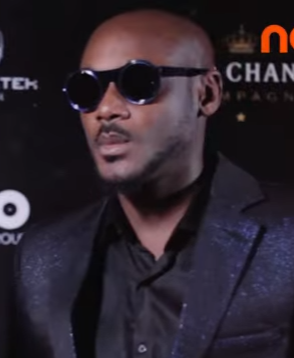
2Baba (Innocent Idibia)
Veteran Artist & Activist
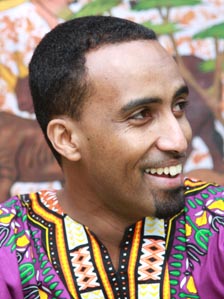
Aar Maanta
Singer & Composer
Abdel Aziz al-Mubarak
Oud Master
Abdel Halim Hafez†
Legend; “Nightingale”; “The Dark-Skinned Nightingale”