$100M
Estimated Net Worth
As of 2024 • medium confidence
Financial Breakdown
Asset Distribution
Assets vs Liabilities
Assets
Disclaimer: These financial estimates are based on publicly available information and should be considered approximate. Last updated: 12/29/2025
Biography
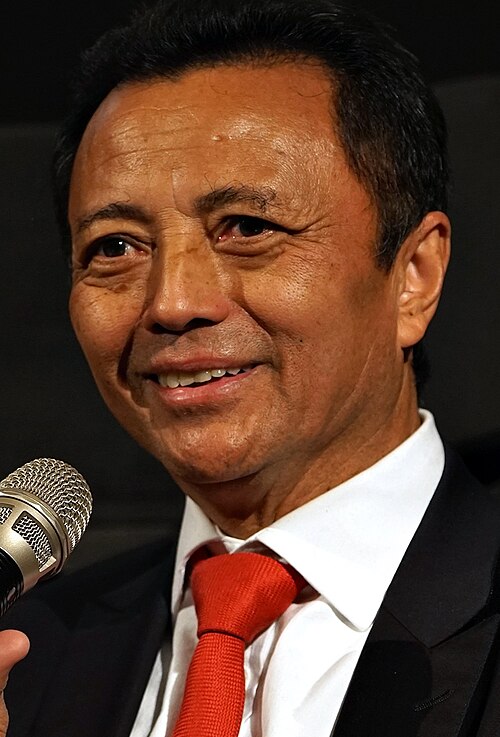
Marc Ravalomanana is a pivotal figure in modern Malagasy history, serving as the President of Madagascar from 2002 to 2009. His ascent from a self-made business tycoon to the nation's highest office represents a unique chapter in the Politics & Government landscape of the Indian Ocean island. Elected in a controversial but ultimately decisive vote, his presidency was marked by an ambitious agenda of infrastructure development, economic liberalization, and attempts to position Madagascar on the global stage. While his tenure ended abruptly amid a political crisis, Marc Ravalomanana's impact on the nation's development trajectory and his model of executive leadership continue to be subjects of significant discussion and analysis.
Early Life and Education: The Foundations of an Entrepreneur
Born on December 12, 1949, in Imerinkasinina, a rural village near the capital Antananarivo, Marc Ravalomanana's early life was rooted in modest beginnings. He was raised in a Protestant family, an upbringing that instilled in him a strong work ethic and discipline that would define his future endeavors. His initial education was at the local Ambohimalaza school, after which he attended the Lycée Technique d’Antananarivo. Unlike many political leaders who emerge from legal or military careers, Ravalomanana's formative path was commercial.
His first foray into business began in his youth, selling homemade yogurt and other dairy products on the streets of Antananarivo from his bicycle. This small venture laid the groundwork for what would become an empire. Recognizing the potential in the dairy market, he pursued technical training in Sweden in the 1970s, gaining valuable knowledge in dairy production and management. Upon returning to Madagascar, he applied this expertise with remarkable success. In 1982, he formally established Tiko Group, a company that would grow from a small dairy operation into the country's largest food conglomerate, dominating the markets for dairy products, oils, and beverages. This journey from street vendor to industrial leader shaped his managerial, results-oriented approach to leadership.
Career and Major Achievements: The Presidency of Marc Ravalomanana
The Road to the Presidency
Marc Ravalomanana's political entry was unconventional. Leveraging his immense popularity as a successful, self-made businessman who symbolized economic possibility, he was elected Mayor of Antananarivo in 1999. His efficient administration of the capital, mirroring his corporate management style, boosted his national profile. In December 2001, he ran for the presidency against the long-standing incumbent, Didier Ratsiraka. The election results sparked a severe eight-month political crisis, with both men claiming victory. After a recount and mounting public pressure, Ravalomanana was officially sworn in as President in May 2002, with Ratsiraka going into exile.
Ambitious Policies and the "Madagascar Action Plan"
President Ravalomanana's administration (2002-2009) was characterized by a pro-business, reformist agenda. He aimed to apply his private-sector acumen to national governance. His key initiatives included:
- Infrastructure Development: Launching major road construction projects (notably the "Routes Nationales") to connect isolated regions and stimulate trade.
- Economic Liberalization: Encouraging foreign direct investment, particularly in the mining and textile sectors, and pursuing privatization of state-owned enterprises.
- Education and Health: Initiating school construction programs and campaigns to combat malaria and HIV/AIDS.
- Environmental Conservation: In a landmark move, he announced a plan to triple Madagascar's protected areas at the 2003 World Parks Congress, aiming to safeguard the island's unique biodiversity.
- The Madagascar Action Plan (MAP): This was his flagship 5-year development strategy (2007-2012), focusing on ambitious goals in education, health, infrastructure, and economic growth to lift the country out of poverty.
Internationally, Marc Ravalomanana sought to strengthen ties with traditional partners like France and the United States while cultivating new relationships, notably with China and South Korea. He also championed the formation of regional blocs, advocating for greater Indian Ocean unity.
Controversy and Downfall
Despite early economic growth, his presidency faced growing criticism. Opponents accused him of authoritarian tendencies, conflating state and his private business interests (Tiko Group), and failing to alleviate poverty for the average Malagasy. The pivotal moment came in late 2008, when a dispute with a young, popular mayor, Andry Rajoelina, escalated. Rajoelina led widespread protests against Ravalomanana's government. The crisis culminated in March 2009 when elements of the military sided with the opposition, forcing Marc Ravalomanana to resign and transfer power to a military directorate, which then handed the presidency to Rajoelina. Ravalomanana went into exile in South Africa.
Personal Life, Legacy, and Lasting Impact
Marc Ravalomanana is married to Lalao Ravalomanana, who served as Mayor of Antananarivo during his presidency. Together they have four children. A devout Protestant, his faith has been a consistent pillar throughout his life. Even after his ouster, he remained a significant figure in Malagasy Politics & Government. He returned from exile in 2011 and attempted a political comeback, though he was barred from running in subsequent presidential elections. His legacy is profoundly dualistic.
On one hand, he is remembered as a dynamic leader who brought a new vision for development and modernization, emphasizing infrastructure and foreign investment. His presidency saw periods of notable GDP growth and increased international visibility for Madagascar. On the other hand, his tenure is also associated with political turmoil, allegations of corruption, and the 2009 crisis that undermined democratic institutions. The "Ravalomanana model" of executive leadership—a corporate, top-down approach to governance—remains a defining, if controversial, period in the nation's post-independence history, illustrating both the potential and the pitfalls of business-minded leadership in a developing democracy.
Net Worth and Business Ventures: The Tiko Empire
Prior to and during his political career, Marc Ravalomanana's wealth was intrinsically linked to his business success. The cornerstone of his fortune was the Tiko Group (originally Société Tiko). Starting as a small dairy processing unit, he built it into a dominant national conglomerate with a vast portfolio including:
- Madagascar's leading dairy brand, Malagasy Milk.
- A significant share in the edible oils and beverages market.
- Supermarkets and distribution networks across the country.
At its peak, Tiko Group was not only a commercial giant but also a major employer. While precise figures are not publicly verified, his net worth was estimated to be in the hundreds of millions of dollars during his presidency, making him one of the wealthiest individuals in Madagascar. However, his business assets suffered significantly after his 2009 ouster, with many Tiko properties being seized or looted. The state of his business empire post-2009 has been fluid, entangled with the country's ongoing political conflicts, but his story as a self-made entrepreneur turned statesman remains central to his public identity.
Net Worth Analysis
Estimates based on his business empire (Tiko Group) and political career, but no verified billionaire status or inclusion on major wealth lists.
Quick Stats
Related People
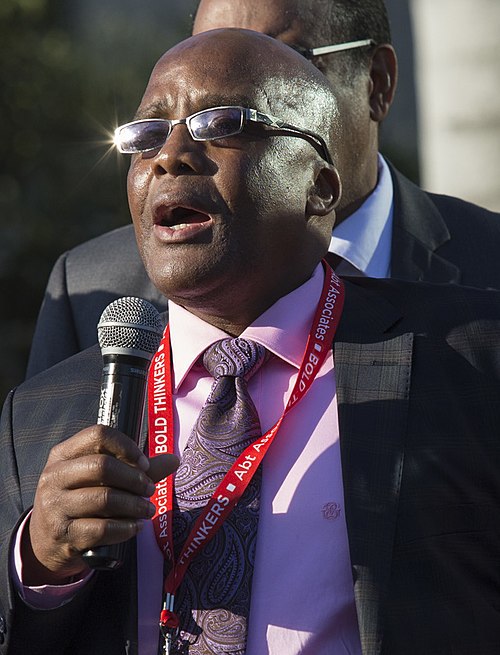
Aaron Motsoaledi
LP; Minister of Home Affairs
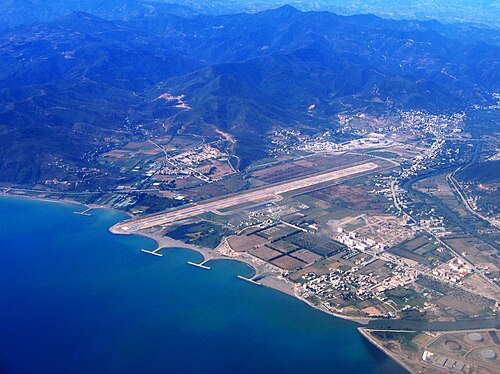
Abane Ramdane†
FLN Leader & Strategist
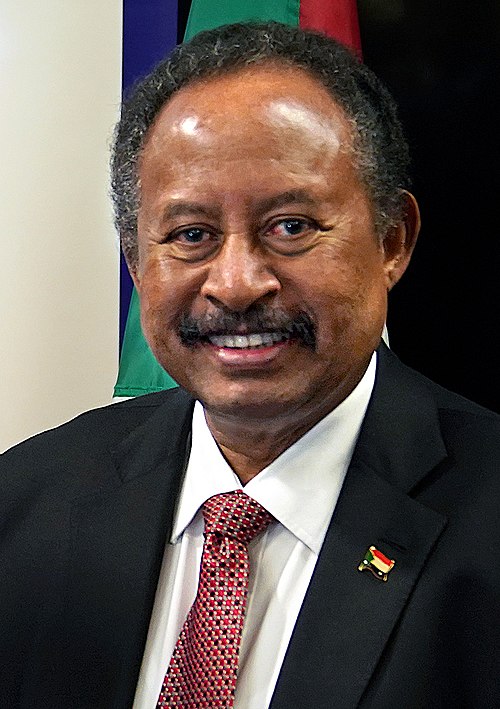
Abdalla Hamdok
Ex-Prime Minister
Abdallah Kigoda
Ex-Minister of Natural Resources