Financial Breakdown
Asset Distribution
Assets vs Liabilities
Assets
Disclaimer: These financial estimates are based on publicly available information and should be considered approximate. Last updated: 12/31/2025
Biography
Introduction: A Literary Luminary of Senegal
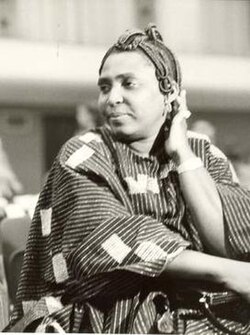
Mariama Bâ (1929–1981) stands as one of the most influential and revered figures in 20th-century African literature. A feminist novelist from Senegal, she gained international acclaim for her poignant exploration of the lives, struggles, and resilience of women in post-colonial Senegalese society. Despite a tragically brief writing career, her impact was profound and immediate. Her debut novel, So Long a Letter (Une si longue lettre, 1979), remains her seminal work, winning the inaugural Noma Award for Publishing in Africa in 1980. This epistolary masterpiece, written as a letter from a widowed woman to her friend, dissects the complex intersections of tradition, modernity, polygamy, and female solidarity. Mariama Bâ's writing is celebrated for its elegant simplicity, deep psychological insight, and unwavering commitment to advocating for women's education and autonomy within the evolving landscape of Arts & Culture in West Africa.
Early Life & Education: The Foundations of a Feminist Consciousness
Mariama Bâ was born in 1929 into a well-to-do Senegalese family in Dakar. Her early life was marked by both privilege and profound personal loss, which deeply shaped her worldview. Her mother died when she was very young, and she was raised primarily by her maternal grandparents. This experience of maternal absence is a recurring theme in her work. Crucially, her father, a civil servant, held progressive views on education. Despite the prevailing norms of the time, he insisted that his daughter receive a formal education, a decision that set Mariama Bâ on her revolutionary path.
She attended the École Normale de Rufisque, a prestigious teacher training college for women, graduating in 1947. This education was a rare opportunity for a young Senegalese woman and became the bedrock of her intellectual and feminist development. At school, she was exposed to French literature and progressive ideas, which she would later critically engage with and adapt to her African context. Her formative years were thus a crucible where traditional Wolof values met colonial education, fostering in her a sharp critical perspective on the status of women. She became a teacher herself, a profession she maintained for over a decade, directly witnessing and contributing to the empowerment of young Senegalese through knowledge—a central tenet of her life and legacy.
Career & Major Achievements: A Brief but Brilliant Literary Flame
Before becoming a published novelist, Mariama Bâ was an active journalist and essayist, contributing articles to local publications where she voiced her concerns on social issues, particularly those affecting women. However, it was her foray into fiction that cemented her place in literary history. Her career as a novelist, though spanning only two major works, ignited a crucial conversation in African literature.
So Long a Letter (1979): A Defining Masterpiece
Published in 1979, So Long a Letter was an instant sensation. The novel is structured as a long letter from Ramatoulaye, a recently widowed schoolteacher in Dakar, to her best friend Aissatou, who lives in America. Through this intimate format, Bâ explores Ramatoulaye's emotional turmoil following her husband's death and his subsequent betrayal—he took a second, much younger wife. The narrative delves into themes of abandonment, loneliness, and the economic hardships faced by women. More importantly, it is a powerful testament to female friendship and solidarity as essential tools for survival and resilience. The novel’s triumph at the 1980 Noma Award brought African women's writing to a global audience, establishing Mariama Bâ as a leading literary voice.
Scarlet Song (1981): Crossing Cultural Divides
Her second novel, Scarlet Song (Un Chant écarlate), was published posthumously in 1981. It tackles the fraught terrain of interracial marriage between a Senegalese man, Ousmane, and a French woman, Mireille. Bâ examines the destructive pressures of cultural expectations, family tradition, and colonial legacies on personal relationships. The novel is a tragic exploration of idealism clashing with reality, further showcasing her ability to dissect complex social dynamics with empathy and rigor. Together, her two novels present a powerful, nuanced critique of patriarchal structures, whether African or European, while consistently centering the inner lives and agency of her female characters.
Impact and Recognition
The impact of Mariama Bâ's work is immeasurable. She broke ground by giving voice to the specific, often silenced, experiences of educated African women navigating societal change. Her achievements include:
- Winning the prestigious Noma Award for Publishing in Africa in 1980.
- Inspiring generations of African women writers, such as Aminata Sow Fall and Calixthe Beyala.
- Ensuring a permanent place for feminist perspectives in the canon of African literature.
- Having her works translated into numerous languages and studied in universities worldwide.
Personal Life & Legacy: The Woman Behind the Words
Mariama Bâ's personal life was as complex as her fictional worlds. She was married twice; first to politician Obèye Diop, with whom she had nine children, and later to a fellow Senegalese parliamentarian. She navigated the demanding roles of mother, teacher, and activist, often writing in the quiet hours stolen from a busy domestic life. This firsthand experience of balancing traditional expectations with intellectual ambition deeply informed her writing. Tragically, Mariama Bâ's life and burgeoning literary career were cut short by a prolonged illness. She died in 1981, shortly after the publication of Scarlet Song.
Her legacy, however, has only grown stronger. The Mariama Bâ Boarding School for Girls (Prytanée Mariama Bâ) on Gorée Island, Senegal, named in her honor, stands as a direct tribute to her lifelong passion for girls' education. More broadly, she is remembered as a courageous truth-teller who used her pen to advocate for justice, equality, and the transformative power of education for women. Her concise yet powerful body of work remains essential reading, a cornerstone of Arts & Culture that continues to challenge and inspire readers to reflect on the universal struggle for dignity and self-determination.
Literary Estate & Lasting Influence
While discussions of net worth in the traditional sense are not typically applied to literary figures of her era, the value of Mariama Bâ's intellectual and cultural contribution is incalculable. She did not engage in commercial business ventures; her "enterprise" was one of social critique and literary excellence. The commercial success and enduring sales of her novels, particularly So Long a Letter, which remains a staple on academic syllabi globally, ensure that her work continues to generate royalties for her estate, supporting her descendants. Her true wealth lies in her enduring influence. The continued publication, translation, and scholarly analysis of her work constitute a thriving literary legacy. Institutions like the Noma Award and the school named for her perpetuate her mission. In the economy of ideas and cultural impact, Mariama Bâ is among the richest voices Africa has produced, her two novels representing a priceless investment in the discourse on gender and society that yields dividends with every new reader.
Sources & Further Reading: For those interested in learning more about Mariama Bâ and her work, credible information can be found through academic databases, the Wikipedia entry on Mariama Bâ, and publishers like Heinemann and Waveland Press who have published her novels in English. Scholarly articles in journals such as Research in African Literatures also provide deep critical analysis.
Frequently Asked Questions
What is Mariama Bâ†'s estimated net worth?
Net worth details for Mariama B↠are currently being updated.
What is Mariama Bâ†'s role and nationality?
Mariama B↠is a Feminist Novelist from Senegal.
How did Mariama B↠make their money?
Mariama B↠built their fortune primarily through Mariama Bâ was a renowned Senegalese author and feminist who passed away in 1981; she was not a business figure and her legacy is literary, not financial..
How old is Mariama B�
Mariama B↠was born in 1929 (97 years old).
Which category is Mariama B↠listed under?
Mariama B↠is featured under the Arts & Culture category on NetWorth Africa.
How is Mariama Bâ†'s net worth calculated?
NetWorth Africa estimates financial valuations using publicly available stock equity holdings, company ownership records, real estate assets, and verified market data.
Net Worth Analysis
Mariama Bâ was a renowned Senegalese author and feminist who passed away in 1981; she was not a business figure and her legacy is literary, not financial.
Quick Stats

Related People
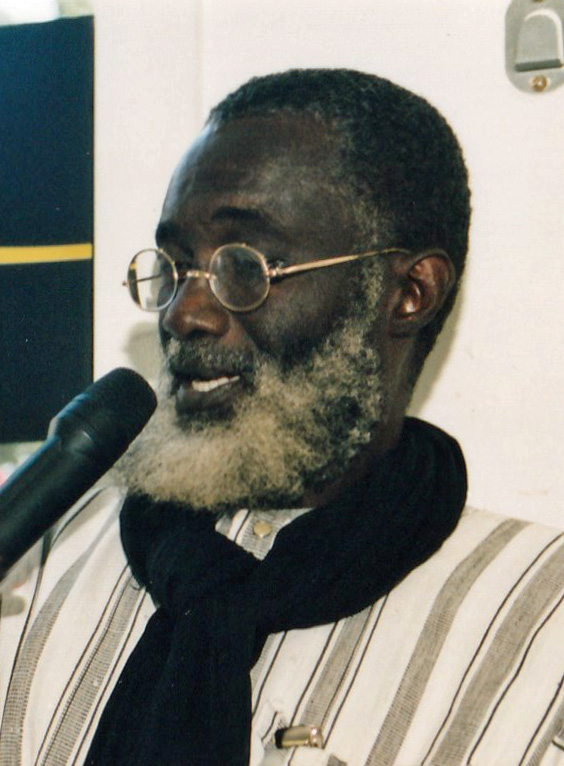
Abasse Ndione
Novelist & Playwright • Senegal
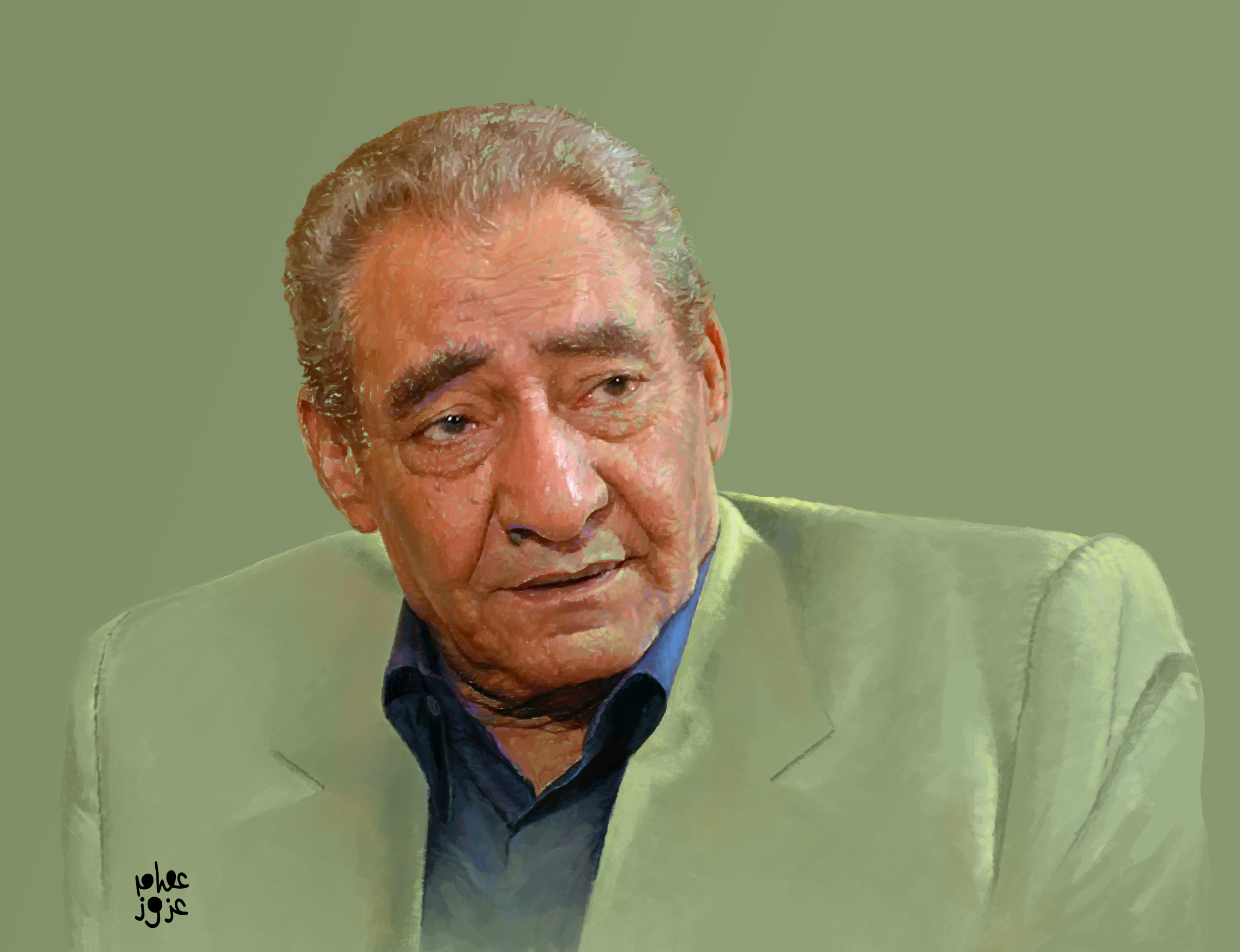
Abdel Rahman al-Abnudi†
Poet (Egypt-Sudan) • Sudan
Abdelkrim Ghallab†
Novelist & Journalist • Morocco
Abdellah Taïa
Novelist & Filmmaker • Morocco