Financial Breakdown
Asset Distribution
Assets vs Liabilities
Assets
Disclaimer: These financial estimates are based on publicly available information and should be considered approximate. Last updated: 12/31/2025
Biography
Introduction: The Voice of Mali's Heritage
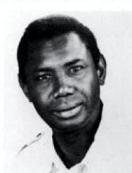
Massa Makan Diabaté† (1938–1988) stands as a monumental figure in Arts & Culture, uniquely bridging the worlds of oral tradition and written literature. A distinguished Novelist & Historian from Mali, Diabaté was born into a prestigious family of griots (traditional West African historians, storytellers, and musicians). His life's work was dedicated to transcribing and reinterpreting the rich oral epics of the Mandinka people, most notably the Sunjata epic, for a global audience. His key achievement lies in his literary trilogy—Le Lieutenant de Kouta (1979), Le Coiffeur de Kouta (1980), and Le Boucher de Kouta (1982)—which offered a critical and humorous portrait of Malian society. Through his novels, historical works, and plays, Massa Makan Diabaté† became a crucial conduit for cultural preservation, ensuring the legends and wisdom of his ancestors found a permanent home in the written word.
Early Life & Education: The Griot's Apprentice
Born in 1938 in Kita, a city in western Mali renowned as a center of griot culture, Massa Makan Diabaté† was immersed in the oral arts from infancy. His family lineage, the Diabatés, were revered as jeliw (griots) serving the Keita dynasty, the historical rulers of the Mali Empire. This heritage was not merely a background but a calling; young Massa Makan was trained in the intricate art of storytelling, genealogy, and history from his elders, most notably his uncle, the celebrated griot Kèlè Monson Diabaté.
His formal education began at the École des Cadres in Kita before he attended the prestigious William Ponty School in Dakar, Senegal, a breeding ground for many future African leaders and intellectuals. He later pursued higher studies in history and geography at the École Normale Supérieure in Bamako. This dual education—the deep, immersive training in orature at home and the rigorous Western-style academic discipline at school—shaped his unique intellectual path. It equipped him with the tools to analyze and document the very traditions he lived, allowing him to become a historian who was also a primary source. This formative experience positioned him perfectly to fulfill the griot's role in a modern, post-colonial context.
Career & Major Achievements: From Oral Epic to Literary Triumph
The career of Massa Makan Diabaté† was a prolific and multifaceted journey across genres, all centered on the exploration and expression of Malian identity. After working as a teacher, he dedicated himself fully to writing and research. His early works were direct transcriptions and analyses of oral literature, establishing his credibility as both a scholar and tradition-bearer.
The Historical and Scholarly Works
As a historian, Diabaté produced significant works that served as academic resources and cultural anchors. His 1970 book, Janjon et autres chants populaires du Mali, presented a collection of traditional songs. His profound contribution to historical scholarship is perhaps best embodied in L’Épopée de Sunjata, his written rendition of the founding myth of the Mali Empire. By committing this epic to text, Massa Makan Diabaté† performed an act of preservation for which students of West African history and literature remain grateful.
The Kouta Trilogy: A Literary Masterpiece
While his historical work was vital, his literary fame rests securely on his Kouta Trilogy. Set in the fictional but vividly real town of Kouta, these novels are a satirical and insightful chronicle of Malian social life in the post-independence period.
- Le Lieutenant de Kouta (1979): Introduces the town and its characters, exploring tensions between tradition and modernity.
- Le Coiffeur de Kouta (1980): Won the Grand Prix Littéraire d’Afrique Noire in 1981. Using the barbershop as a microcosm of society, the novel brilliantly captures the gossip, debates, and spirit of the community.
- Le Boucher de Kouta (1982): Completes the cycle, delving deeper into the town's conflicts and moral dilemmas.
Written in a clear, engaging style that echoed the rhythms of oral speech, the trilogy showcased Diabaté's genius for storytelling and social critique, solidifying his reputation as a leading Novelist & Historian in Francophone Africa.
Plays and Later Works
Diabaté's creativity also extended to theater. His play Une si belle leçon de patience (1972) was performed internationally. In his later years, he continued to write, producing works like L’Assemblée des Djinns (1985), further demonstrating his commitment to blending myth, history, and contemporary narrative. Throughout his career, he held positions within Mali's Ministry of Culture, directly influencing national cultural policy and preservation efforts.
Personal Life, Legacy, and Lasting Impact
While deeply devoted to his public role as a griot and writer, Massa Makan Diabaté† was known to be a private individual whose life was his work. His personal interests were inextricably linked to his profession: the collection of stories, the study of historical patterns, and the mentorship of younger generations interested in Mali's cultural heritage. He was not a philanthropist in the conventional sense, but his life was an act of cultural philanthropy—giving the treasure of oral tradition back to his people in a durable, accessible form and sharing it with the world.
The legacy of Massa Makan Diabaté† is profound. He passed away in 1988, but his influence endures. He demonstrated that the griot's function could evolve and thrive in the modern literary world. His works are essential reading in schools across Francophone Africa and in universities worldwide studying African literature and history. He paved the way for other writer-griots and showed that authentic African literature could spring from its own ancient aesthetic and narrative systems. Today, when scholars and readers seek to understand the soul of Mali—its history, its social fabric, and its storytelling heart—they inevitably turn to the works of Massa Makan Diabaté†. He remains a foundational pillar of Malian and, indeed, African Arts & Culture.
Literary Estate and Cultural Value
Discussing net worth in a traditional financial sense is not wholly applicable to a figure like Massa Makan Diabaté†, whose wealth was measured in cultural capital and intellectual contribution. He was a scholar and civil servant, not a commercial business entrepreneur. However, the value generated by his life's work is immense and ongoing. His literary estate, comprising his novels, historical texts, and plays, continues to generate academic interest, translations, and royalties, supporting his legacy and family.
The true "business" of Massa Makan Diabaté† was the business of cultural preservation and dissemination. His ventures were his publications, which have sold consistently for decades and are considered classics. In the economy of global literature and heritage, his works are invaluable assets. They contribute significantly to Mali's soft power and cultural tourism, drawing students and enthusiasts to the history of the Mali Empire and the Sunjata epic. The financial success of his books, while secondary to their cultural mission, ensures that his voice remains in print, continuing to educate and inspire. His primary venture was the stewardship of memory, an enterprise whose dividends are paid in the continued understanding and appreciation of a rich and complex civilization.
Sources & Further Reading: For those interested in learning more about the life and work of Massa Makan Diabaté†, scholarly articles on African literature and databases like Encyclopædia Britannica provide reliable information. Academic analyses of his Kouta Trilogy and translations of his historical works are available through university presses and libraries specializing in African studies.
Frequently Asked Questions
What is Massa Makan Diabaté†'s estimated net worth?
Massa Makan Diabaté† has an estimated net worth of $500,000.
What is Massa Makan Diabaté†'s role and nationality?
Massa Makan Diabaté† is a Novelist & Historian from Mali.
How did Massa Makan Diabaté† make their money?
Massa Makan Diabaté† built their fortune primarily through Massa Makan Diabaté was a Malian novelist and historian, not a business figure; his wealth derived from academic and literary work, not corporate ownership, and he is not on any billionaire list..
How old is Massa Makan Diabat�
Massa Makan Diabaté† was born in 1938 (88 years old).
Which category is Massa Makan Diabaté† listed under?
Massa Makan Diabaté† is featured under the Arts & Culture category on NetWorth Africa.
How is Massa Makan Diabaté†'s net worth calculated?
NetWorth Africa estimates financial valuations using publicly available stock equity holdings, company ownership records, real estate assets, and verified market data.
Net Worth Analysis
Massa Makan Diabaté was a Malian novelist and historian, not a business figure; his wealth derived from academic and literary work, not corporate ownership, and he is not on any billionaire list.
Quick Stats


Related People
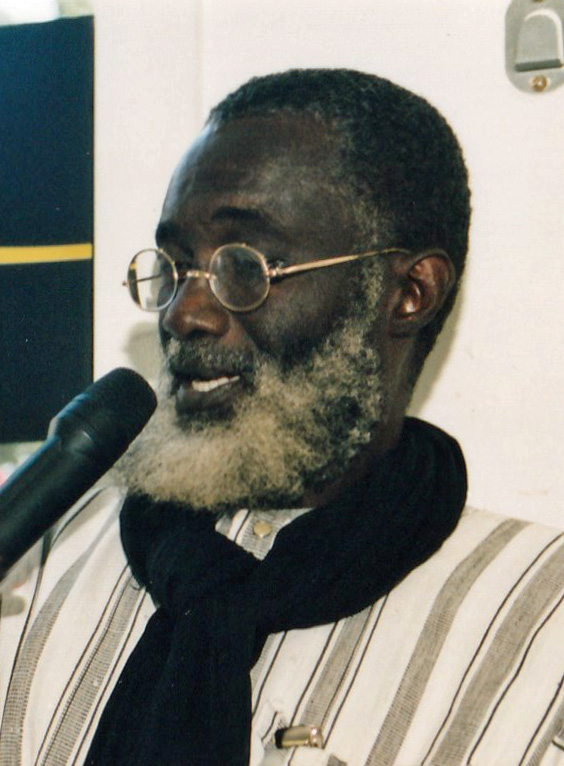
Abasse Ndione
Novelist & Playwright • Senegal
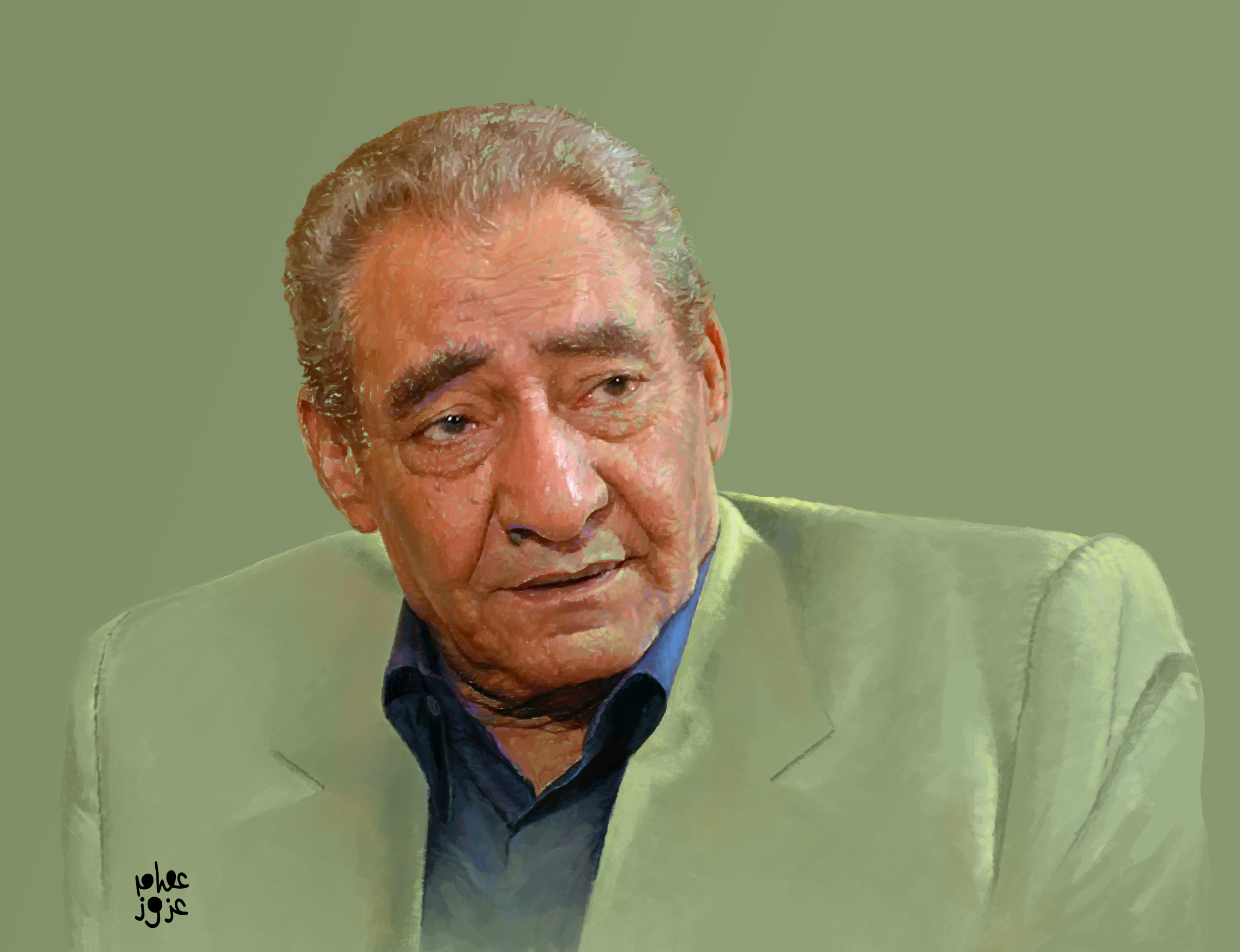
Abdel Rahman al-Abnudi†
Poet (Egypt-Sudan) • Sudan
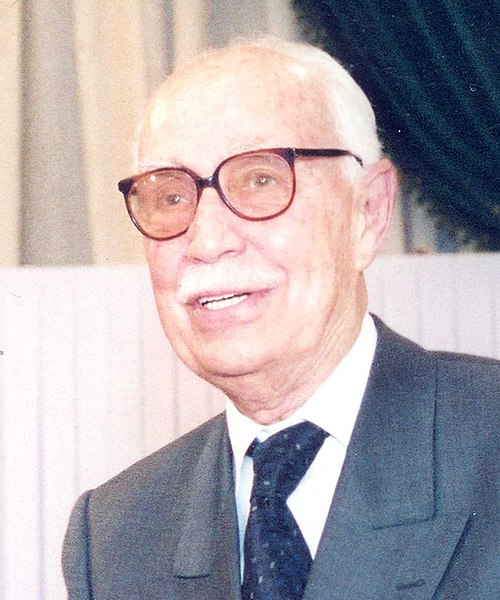
Abdelkrim Ghallab†
Novelist & Journalist • Morocco
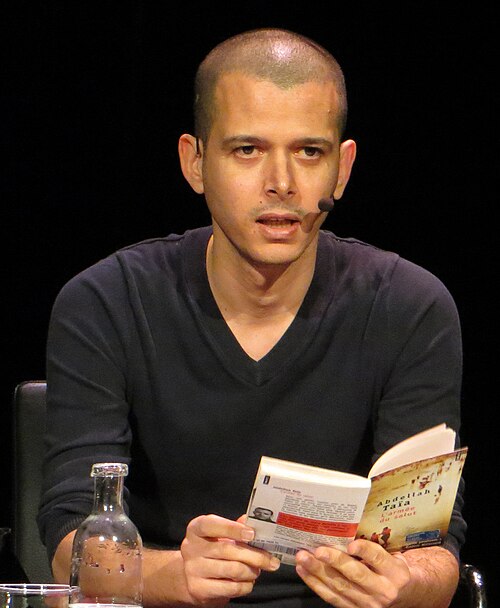
Abdellah Taïa
Novelist & Filmmaker • Morocco