Biography
Introduction: The Lion of Somalia
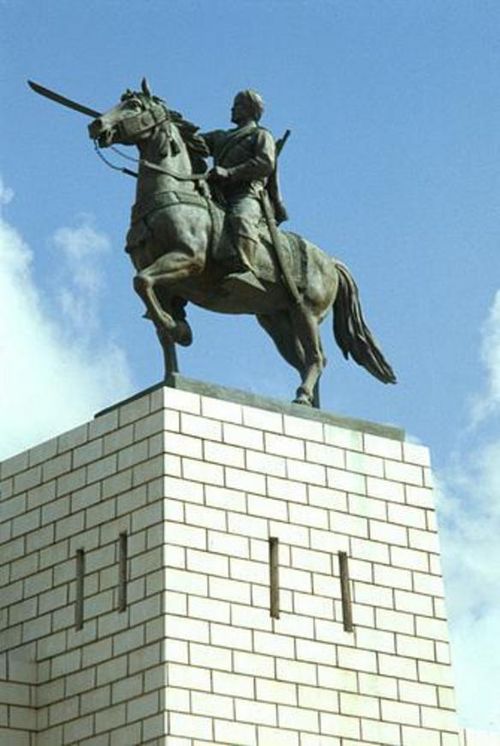
In the annals of Arts & Culture and anti-colonial resistance, few figures loom as large as Maxamed Cabdille Xasan†. Born in 1856, he is remembered not only as a formidable military and religious leader—the Sayyid—but also as one of the most brilliant and influential poets in Somali history. His primary achievement was founding and leading the Dervish Movement, which waged a twenty-year war (1900-1920) against British, Italian, and Ethiopian forces, fiercely defending Somali sovereignty and Islamic faith. Maxamed Cabdille Xasan† masterfully wielded the pen and the sword, using his poetic genius to inspire, unify, and mock his enemies, creating a cultural and political legacy that remains central to Somali national identity. His life is a testament to the power of words in mobilizing a people and shaping a nation's destiny.
Early Life & Education: Forging a Scholar and a Saint
Maxamed Cabdille Xasan† was born in the Sacmadeeqo valley near Buuhoodle, into the Ogaden sub-clan of the Darod family. From an early age, he exhibited a sharp intellect and a deep religious devotion. His early education was traditional, focusing on memorizing the Quran in local Qur'anic schools (dugsi). His quest for knowledge, however, propelled him far beyond the borders of his homeland. As a young man, he traveled extensively across the Horn of Africa, studying under various renowned Islamic scholars in Mogadishu, Bardera, and even among the Bimaal people.
His most formative experience was his pilgrimage (Hajj) to Mecca around 1895. It was during this journey that his worldview was radically transformed. He was deeply influenced by the revivalist Salihiya order, led by the Sudanese scholar Sayyid Muhammad Salih. He received the title "Sayyid" (master) from this order and returned to Somalia in the late 1890s not just as a teacher, but as a reformer with a burning mission. He returned to a homeland increasingly encroached upon by Christian colonial powers—the British in the north (Somaliland), the Italians in the south, and the Ethiopians in the Ogaden. This convergence of deep Islamic scholarship, spiritual authority, and the political reality of colonization set the stage for his historic movement.
Career & Major Achievements: The Dervish Resistance and Poetic Arsenal
The career of Maxamed Cabdille Xasan† is defined by his dual leadership as a military strategist and a poetic propagandist. His major achievements are intertwined, each fueling the other.
The Founding of the Dervish State
In 1899, following a series of disputes with British-protected missionaries and officials, the Sayyid openly declared jihad. He gathered a core group of disciples, his Dervishes, and established a mobile, fortified community. His first major military victory came at the Battle of Dul Madoba in 1913, where his forces annihilated the British-led Somaliland Camel Constabulary. This victory provided him with modern rifles and cemented his reputation. He successfully organized a decentralized, nomadic state with its own administration, tax collection, and even a system of forts (his headquarters at Taleex being the most famous). For two decades, he outmaneuvered and withstood four major British expeditions, leveraging his intimate knowledge of the arid terrain and the unwavering loyalty of his followers.
Poetry as a Weapon of War and Unity
Perhaps his most unique and lasting achievement lies in the realm of Literature. In a predominantly oral culture, Maxamed Cabdille Xasan† used poetry as his primary tool for communication and mobilization. He composed hundreds of poems in a complex classical Somali meter. His poetry served multiple critical functions:
- Mobilization: Calling clans to unity under the banner of Islam and Somali nationalism.
- Propaganda: Mocking and demoralizing enemy commanders, often by name, with devastating wit and satire.
- Instruction: Teaching Dervish codes of conduct, military tactics, and religious doctrine.
- Diplomacy: Communicating his terms and worldview to colonial adversaries.
The Final Campaign and End of an Era
The British, determined to end the costly conflict, launched a final, massive campaign in 1920. This included the first use of aerial bombardment in Africa, with the Royal Air Force striking the Dervish forts at Taleex. Forced into retreat, Maxamed Cabdille Xasan† fell ill, likely from influenza or smallpox, and died on December 21, 1920, in Imi, Ethiopia. His death marked the end of organized military resistance, but not the end of his legend. He died undefeated in spirit, having never been captured or subdued.
Personal Life & Legacy: The Enduring Symbol
Personally, Maxamed Cabdille Xasan† was known for his asceticism, charisma, and fierce discipline. He lived the life he preached, sharing the hardships of his followers. He was a prolific father, and many of his descendants remain prominent figures in Somali society. His personal interests were inextricably linked to his mission: scholarship, poetic composition, and religious devotion. While not a philanthropist in a conventional sense, his entire movement was an act of perceived philanthropy for his people—an attempt to safeguard their land, faith, and way of life from foreign domination.
The legacy of Maxamed Cabdille Xasan† is monumental. He is the national hero of Somalia, a symbol of resistance and cultural pride. His poetry is a foundational pillar of Somali Arts & Culture, taught in schools and analyzed by scholars. He demonstrated the potent force of cultural tools in a political struggle, making him a unique figure in global anti-colonial history. Modern Somalia's flag, with its single white star, is said to have been inspired by a Dervish flag. His story continues to inspire art, music, and political discourse, ensuring that the Sayyid's voice, nearly 150 years after his birth, remains powerfully alive.
Historical Context & Influence
While concepts of personal "net worth" and commercial business ventures are not applicable to Maxamed Cabdille Xasan† in a modern sense, his economic and organizational acumen was critical to his success. The Dervish state functioned as a sophisticated economic entity. He established a form of resource management, funding his movement through:
- Taxation (Zakat): Levying the Islamic alms tax on livestock within his controlled territories.
- Trade Control: Controlling key trade routes and ports, imposing duties on caravans.
- Livestock Raids: Strategic acquisition of camels and cattle from rival clans or enemy-protected groups, which served as both wealth and logistical supply.
- Arms Procurement: His most valuable "assets" were the modern rifles captured from defeated forces, which were meticulously distributed and maintained.
Frequently Asked Questions
What is Maxamed Cabdille Xasan†'s estimated net worth?
Net worth details for Maxamed Cabdille Xasan† are currently being updated.
What is Maxamed Cabdille Xasan†'s role and nationality?
Maxamed Cabdille Xasan† is a Sayyid & Poet from Somalia.
How did Maxamed Cabdille Xasan† make their money?
Maxamed Cabdille Xasan† built their fortune primarily through Sayyid Maxamed Cabdille Xasan was a historical religious and political leader who died in 1920; he did not accumulate personal wealth in a modern financial sense..
How old is Maxamed Cabdille Xasan†?
Maxamed Cabdille Xasan† was born in 1856 (170 years old).
Which category is Maxamed Cabdille Xasan† listed under?
Maxamed Cabdille Xasan† is featured under the Arts & Culture category on NetWorth Africa.
How is Maxamed Cabdille Xasan†'s net worth calculated?
NetWorth Africa estimates financial valuations using publicly available stock equity holdings, company ownership records, real estate assets, and verified market data.
Net Worth Analysis
Sayyid Maxamed Cabdille Xasan was a historical religious and political leader who died in 1920; he did not accumulate personal wealth in a modern financial sense.
Quick Stats

Related People
Abasse Ndione
Novelist & Playwright • Senegal
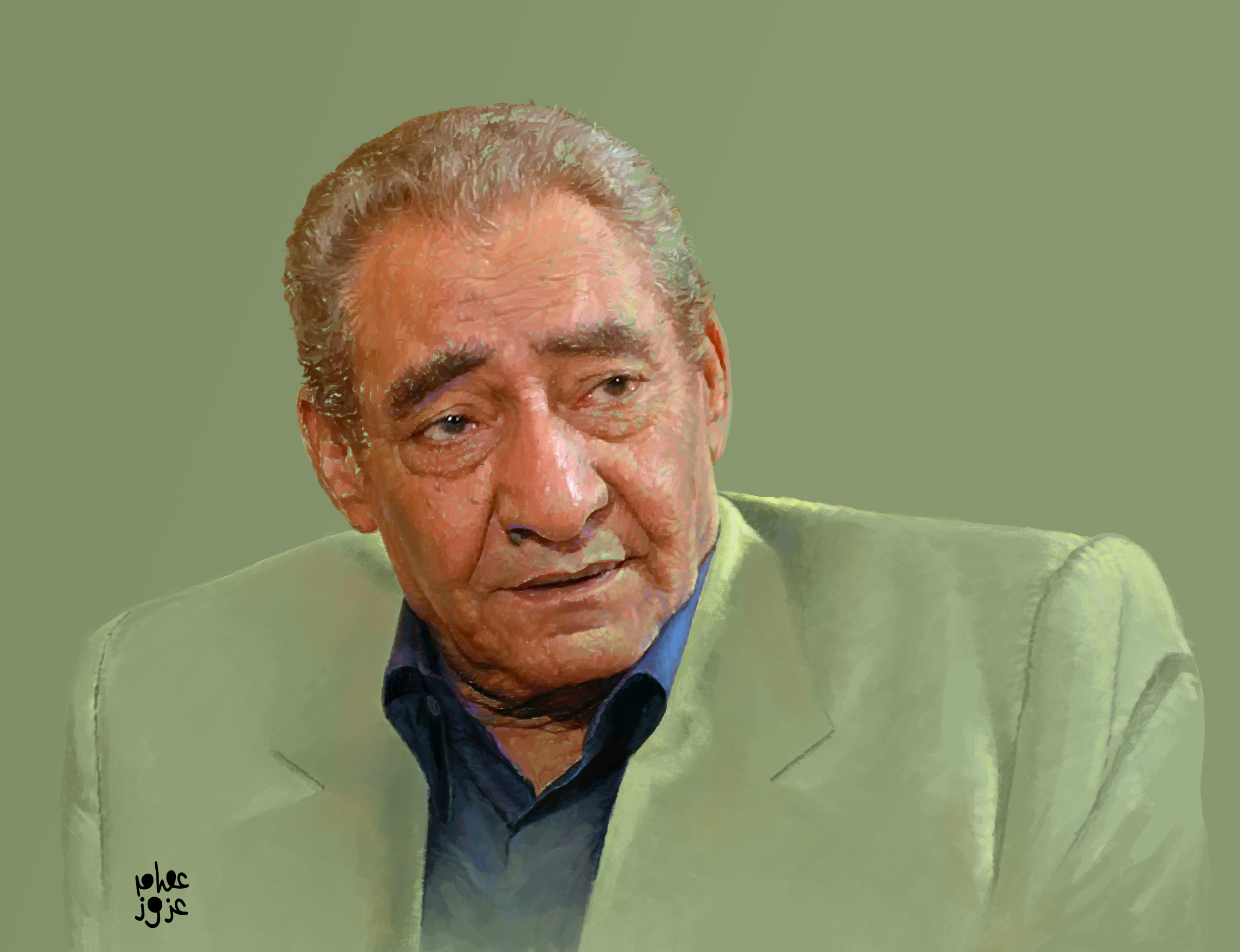
Abdel Rahman al-Abnudi†
Poet (Egypt-Sudan) • Sudan
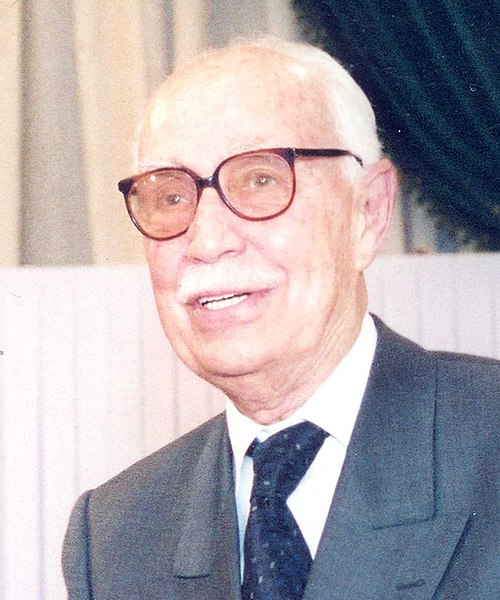
Abdelkrim Ghallab†
Novelist & Journalist • Morocco
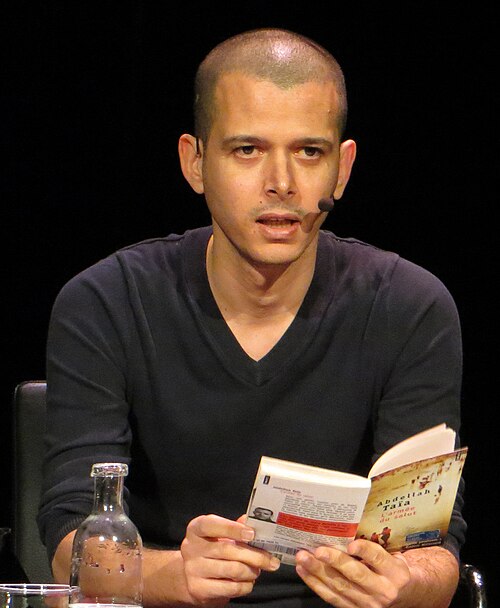
Abdellah Taïa
Novelist & Filmmaker • Morocco