
Financial Breakdown
Asset Distribution
Assets vs Liabilities
Assets
Liabilities
Disclaimer: These financial estimates are based on publicly available information and should be considered approximate. Last updated: 12/30/2025
Biography
Introduction: The Voice of a Continent
Miriam Makeba†, affectionately and globally known as Mama Africa, was a towering figure in the world of Entertainment and a fearless Activist. Born in South Africa in 1932, she rose from the townships of Johannesburg to become an international music icon, using her powerful voice and captivating stage presence to fight against the injustice of apartheid. Her key achievement was becoming one of the first African artists to receive worldwide acclaim, winning a Grammy Award in 1966 and introducing global audiences to Xhosa, Zulu, and other South African musical traditions. More than just a singer, Miriam Makeba† became a symbol of dignity and resistance, her life and career inextricably linked to the struggle for freedom in her homeland.
Early Life & Education: Roots in Struggle
Zenzile Miriam Makeba was born on March 4, 1932, in Prospect Township, near Johannesburg. Her early life was marked by hardship and the brutal realities of racial segregation. Her mother was a Swazi domestic worker, and her father, who died when she was six, was a Xhosa teacher. A formative experience was her six-month imprisonment as an infant, as she was born while her mother was serving a sentence for illegally brewing beer to make ends meet.
Her musical education began in the church and at home, influenced by her mother's traditional songs. She attended the Kilnerton Training Institute, a Methodist primary school in Pretoria, for eight years. It was here that she first sang in the school choir and discovered her talent. However, formal education was cut short as she needed to work to support her family, taking on domestic labor jobs. Her true education came from the vibrant, resilient musical culture of the South African townships. She began her professional singing career in the 1950s with the Cuban Brothers, a neighborhood band, before joining the legendary South African group the Manhattan Brothers in 1954. This period honed her skills and led to her starring role in the groundbreaking 1959 jazz opera film, King Kong, which catapulted her to national fame.
Career & Major Achievements: A Star in Exile
The trajectory of Miriam Makeba†'s career changed forever in 1959. She traveled to Venice and then London for the film Come Back, Africa, where she met Harry Belafonte, who would become her mentor and champion. She then moved to New York, launching her international career. Her 1960 album Miriam Makeba was a hit, and she performed for President John F. Kennedy at his birthday party in 1962. In 1966, she made history alongside Belafonte, winning a Grammy Award for Best Folk Recording for An Evening with Belafonte/Makeba.
Exile and Activism
In 1960, after trying to return to South Africa for her mother's funeral, she discovered her passport had been revoked by the apartheid government. This act of banishment turned her into a poignant symbol of the struggle and launched her 31-year exile. From this platform, Miriam Makeba† transformed from entertainer to a powerful Activist. She testified against apartheid before the United Nations Committee on Apartheid in 1963 and addressed the UN General Assembly twice. Her marriage to Black Panther activist Stokely Carmichael (Kwame Ture) in 1968 led to professional backlash in the United States, with concerts canceled and record deals dropped, forcing her to relocate to Guinea. Undeterred, she continued to perform across Africa and Europe, always speaking out against the racist regime.
Musical Legacy and Return
Musically, Miriam Makeba† was a pioneer. She brought South African styles like mbube and melodies incorporating Xhosa and Zulu clicks to the world stage. Global hits like "Pata Pata" (1967), "The Click Song" ("Qongqothwane"), and "Malaika" became anthems. After the release of Nelson Mandela in 1990 and his encouragement, she finally returned to her beloved South Africa in 1991. She continued to record and perform, including on the iconic 1991 album Eyes on Tomorrow. Her final performance was on November 9, 2008, in Castel Volturno, Italy, where she collapsed and died after singing her hit "Pata Pata."
Personal Life, Philanthropy & Lasting Legacy
Miriam Makeba†'s personal life was as complex as her public one. She was married five times and was the mother of one daughter, Bongi Makeba, who predeceased her. Her marriages, particularly to musician Hugh Masekela and activist Stokely Carmichael, were deeply intertwined with her career and activism. Despite facing immense personal tragedies, including the loss of her daughter and battles with cervical cancer, her spirit remained resilient.
Her philanthropic efforts were focused on humanitarian causes, especially those affecting women and children in Africa. She used her fame to draw attention to issues like poverty, HIV/AIDS, and civil rights. The legacy of Miriam Makeba† is profound and multifaceted. She is remembered as:
- The Empress of African Song: A musical innovator who globalized African music.
- A Fearless Freedom Fighter: An Activist who used her art as a weapon against apartheid.
- Mama Africa: A nurturing, unifying symbol of pan-African pride and cultural heritage.
- A Trailblazer: The first African woman to win a Grammy and address the UN General Assembly.
Her life story continues to inspire artists and activists worldwide, cementing her status as one of the most important figures to emerge from the Entertainment industry in the 20th century.
Net Worth & Business Ventures
While Miriam Makeba† achieved significant international fame, her financial journey was marked by both success and struggle. At the peak of her career in the 1960s, she commanded substantial performance fees and record royalties. However, her exile and the professional blacklisting she experienced after marrying Stokely Carmichael severely impacted her earning potential in key markets like the United States. Later in life, she faced financial difficulties and was reportedly cheated out of royalties from some of her biggest hits, including "Pata Pata." Despite these challenges, her enduring legacy has ensured that her music continues to generate revenue posthumously. Her primary "business" was her artistry and activism; she invested her resources into her craft, her family, and the causes she championed. While precise figures are not publicly verified, her true worth lies not in monetary value but in the immense cultural and political capital she accrued as the voice of South Africa's conscience.
Sources: The Miriam Makeba Official Estate, UNESCO, The United Nations Archives, South African History Online, Grammy Museum.
Frequently Asked Questions
What is Miriam Makeba†'s estimated net worth?
Net worth details for Miriam Makeba† are currently being updated.
What is Miriam Makeba†'s role and nationality?
Miriam Makeba† is a Mama Africa & Activist from South Africa.
How did Miriam Makeba† make their money?
Miriam Makeba† built their fortune primarily through Miriam Makeba passed away in 2008, and her estate's value is not publicly reported, but her primary legacy is cultural and activist impact, not significant personal wealth..
How old is Miriam Makeba†?
Miriam Makeba† was born in 1932 (94 years old).
Which category is Miriam Makeba† listed under?
Miriam Makeba† is featured under the Entertainment category on NetWorth Africa.
How is Miriam Makeba†'s net worth calculated?
NetWorth Africa estimates financial valuations using publicly available stock equity holdings, company ownership records, real estate assets, and verified market data.
Net Worth Analysis
Miriam Makeba passed away in 2008, and her estate's value is not publicly reported, but her primary legacy is cultural and activist impact, not significant personal wealth.
Quick Stats
Related People

2Baba (Innocent Idibia)
Veteran Artist & Activist • Nigeria

Aar Maanta
Singer & Composer • Somalia

Abdel Aziz al-Mubarak
Oud Master • Sudan
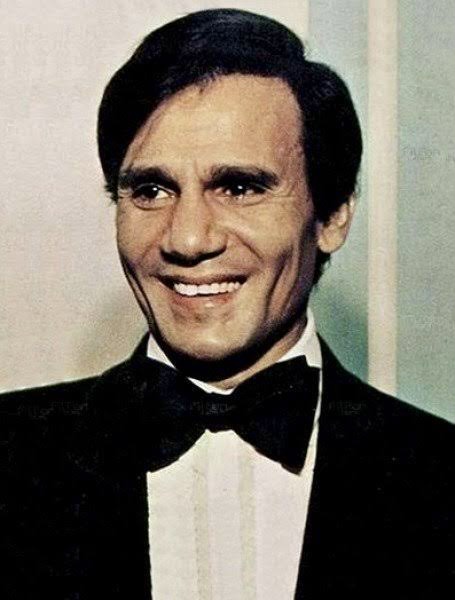
Abdel Halim Hafez†
Legend; “Nightingale”; “The Dark-Skinned Nightingale” • Egypt