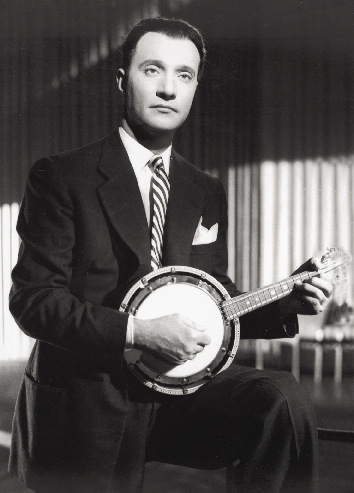
Biography
Introduction: A Pillar of Arab Music
In the pantheon of Arab music, few names shine as brightly as Mohamed Abdel Wahab†. Revered as the "Musician of the Generations", Abdel Wahab was a monumental force in 20th-century Egyptian and Arab entertainment. His career, spanning over seven decades, saw him masterfully wear the hats of composer, singer, actor, and oud virtuoso. Mohamed Abdel Wahab† is credited with nothing less than the modernization of Arabic music, seamlessly blending traditional maqamat (melodic modes) with Western orchestration, including waltz, tango, and symphonic elements. His key achievement lies in composing the national anthems for both Libya and Tunisia, and later, the United Arab Emirates, a testament to his Pan-Arab influence. From mentoring the young Umm Kulthum to composing era-defining songs for generations of stars, Mohamed Abdel Wahab† crafted the soundtrack of the Arab world.
Early Life & Education: The Budding Prodigy
Mohamed Abdel Wahab† was born in 1902 in the Bab El Shaariya district of Cairo, Egypt. His family was not particularly artistic, but young Mohamed exhibited an extraordinary passion for music from a very early age. He would often skip school to attend musical performances and teach himself to play the oud. This rebellion against a conventional education path led him to run away from home at the age of nine to join a traveling theatrical troupe, where he began his formal training in performance and music.
His true formative education came under the tutelage of some of the era's greats. He studied under the renowned composer Mohamed El Qasabgi, who recognized his immense talent. More significantly, he became a protégé of the legendary poet and journalist Ahmed Shawqi, often referred to as the "Prince of Poets." Shawqi took Abdel Wahab into his home, providing not just musical guidance but also intellectual and literary cultivation. This unique environment exposed Mohamed Abdel Wahab† to high literature and classical Arabic poetry, which would later form the bedrock of his sophisticated lyrical compositions. This blend of street-smart performance experience and elite artistic mentorship forged the unique artist he would become.
Career & Major Achievements: Architect of Modern Arabic Music
The career of Mohamed Abdel Wahab† is a chronicle of innovation and enduring influence. He began recording as a singer in the 1920s, but his genius as a composer & singer truly blossomed in the 1930s and 1940s. He starred in several musical films, such as The White Rose (1933) and Long Live Love (1938), which were massive hits and popularized the musical genre in Egyptian cinema.
Revolutionizing Composition and Mentorship
His most profound impact was as a composer. Abdel Wahab broke free from the long, repetitive musical forms of the time, introducing shorter, more dynamic song structures with sophisticated orchestral arrangements. He was the first to incorporate instruments like the electric guitar, double bass, and Latin percussion into Arabic music. His historic collaboration with Umm Kulthum in 1964, when he composed the epic "Enta Omri" (You Are My Life), is considered a cultural watershed moment, revitalizing her career and gifting the Arab world one of its most beloved songs.
A Catalog of Timeless Classics
Mohamed Abdel Wahab† composed for nearly every major singing star of his era, including Abdel Halim Hafez, Warda, and Najat Al Saghira. For Hafez alone, he crafted iconic anthems like "Ahwak" (I Love You), "Nahr El Hobb" (The River of Love), and "El Hawa Hawa". His own vocal performances, characterized by a distinct, elegant style, produced everlasting hits such as "El Gondol", "Danny Boy" (an Arabic adaptation), and the patriotic "Ya Masr Tam El Hena" (O Egypt, It's Time for Happiness).
His achievements are marked by notable "firsts":
- First Egyptian actor to sing in a film (The White Rose, 1933).
- First Arab musician to receive the Egyptian State Recognition Award in Arts (1971).
- Composer of multiple national anthems, a unique honor.
- Founded his own publishing and recording company, cementing his artistic independence.
Personal Life & Legacy: The Enduring Maestro
Despite his public fame, Mohamed Abdel Wahab† was known to be a private and reserved individual in his personal life. He was married twice and had five children. He was a man of refined taste, known for his impeccable style—always seen in tailored suits—and his love for fast cars, a symbol of his modern outlook. While not overtly political, his deep love for Egypt and the Arab nation was evident in his many patriotic compositions. His philanthropy was often quiet and direct, supporting fellow artists and cultural initiatives without fanfare.
The legacy of Mohamed Abdel Wahab† is immeasurable. He passed away on May 3, 1991, but his music remains omnipresent. He is credited with educating the Arab ear to appreciate complex musical arrangements. Every contemporary Arab artist stands on the foundation he built. Annual commemorations, countless covers of his songs, and the continued use of his compositions in film and television affirm his title as the "Musician of the Generations." Institutions like the Mohamed Abdel Wahab† Museum in Cairo ensure that his contributions to entertainment and culture are preserved for future generations.
Net Worth & Business Ventures: A Maestro's Enterprise
While precise figures from his era are difficult to ascertain, Mohamed Abdel Wahab† was undoubtedly one of the wealthiest and most financially successful Arab artists of the 20th century. His wealth was not merely from performance royalties. He was a shrewd businessman who understood the value of intellectual property. Early on, he established his own music publishing house, ensuring he retained control and revenue from his prolific compositional output. This move was revolutionary at the time and provided him with financial independence from record labels.
His success in musical cinema also contributed significantly to his net worth, as these films were blockbusters across the Arab world. Furthermore, his status as the composer of choice for the era's biggest stars commanded premium fees. Mohamed Abdel Wahab† invested his earnings into a luxurious lifestyle and real estate, but his most valuable asset was always his vast, timeless catalog of music, which continues to generate revenue and solidify his financial legacy as a cornerstone of Arabic entertainment industry.
Keywords: Mohamed Abdel Wahab†, Entertainment, Composer; Composer & Singer, Egypt, Music Legend, Arab Music, Egyptian Composer, Musician of the Generations, Umm Kulthum, Abdel Halim Hafez, Modern Arabic Music.
Frequently Asked Questions
What is Mohamed Abdel Wahab†'s estimated net worth?
Net worth details for Mohamed Abdel Wahab† are currently being updated.
What is Mohamed Abdel Wahab†'s role and nationality?
Mohamed Abdel Wahab† is a Composer; Composer & Singer from Egypt.
How did Mohamed Abdel Wahab† make their money?
Mohamed Abdel Wahab† built their fortune primarily through Mohamed Abdel Wahab was a prominent Egyptian composer and singer who died in 1991; he did not accumulate a modern billionaire or millionaire fortune..
How old is Mohamed Abdel Wahab†?
Mohamed Abdel Wahab† was born in 1902 (124 years old).
Which category is Mohamed Abdel Wahab† listed under?
Mohamed Abdel Wahab† is featured under the Entertainment category on NetWorth Africa.
How is Mohamed Abdel Wahab†'s net worth calculated?
NetWorth Africa estimates financial valuations using publicly available stock equity holdings, company ownership records, real estate assets, and verified market data.
Net Worth Analysis
Mohamed Abdel Wahab was a prominent Egyptian composer and singer who died in 1991; he did not accumulate a modern billionaire or millionaire fortune.
Quick Stats
Related People

2Baba (Innocent Idibia)
Veteran Artist & Activist • Nigeria

Aar Maanta
Singer & Composer • Somalia

Abdel Aziz al-Mubarak
Oud Master • Sudan
Abdel Halim Hafez†
Legend; “Nightingale”; “The Dark-Skinned Nightingale” • Egypt