Financial Breakdown
Asset Distribution
Assets vs Liabilities
Assets
Disclaimer: These financial estimates are based on publicly available information and should be considered approximate. Last updated: 12/29/2025
Biography
Introduction: The Conscience of Libya's Transition
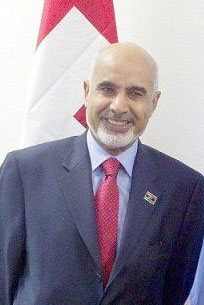
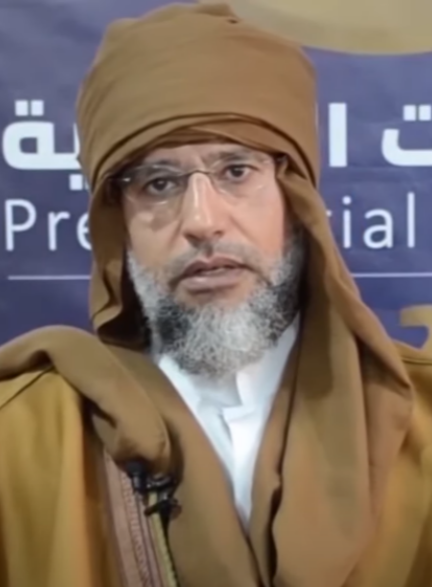
Mohamed al-Magariaf stands as a pivotal figure in modern Libyan history, renowned for his unwavering opposition to the Gaddafi regime and his crucial role in steering Libya during its fragile post-revolutionary transition. As the first elected President of the General National Congress (GNC) following the 2011 revolution, Mohamed al-Magariaf embodied a rare blend of principled resistance and administrative pragmatism. His tenure, though brief, was marked by a steadfast commitment to establishing democratic norms and navigating the nation's complex path from dictatorship to nascent democracy. For decades, he was the face of the organized Libyan opposition in exile, leading the National Front for the Salvation of Libya (NFSL). The election of Mohamed al-Magariaf to lead the legislature in August 2012 symbolized a direct link between the long struggle against tyranny and the hopeful, yet tumultuous, task of building a new state.
Early Life, Education, and Formative Exile
Mohamed Yusuf al-Magariaf was born in 1940 in the coastal city of Sirte, Libya. He pursued higher education in economics, demonstrating an early intellectual rigor that would define his career. He graduated from the University of Libya in Benghazi and later continued his studies in the United States. Upon returning to Libya, Mohamed al-Magariaf embarked on a career in public service, rising to the position of Director of the Audit Bureau in the early 1970s. This role placed him at the heart of the state's financial machinery under the then-relatively new revolutionary government of Muammar Gaddafi.
However, Mohamed al-Magariaf quickly grew disillusioned with Gaddafi's authoritarian turn, the abandonment of constitutional rule, and the regime's increasing corruption and human rights abuses. His principled stance made him a target. In 1980, while on an official trip abroad, he made the fateful decision not to return to Libya, choosing instead a path of permanent and vocal opposition. This began his long 32-year exile, a period during which he would become one of the most significant and respected figures in the Libyan dissident movement. This formative experience of exile, witnessing his country's decline from afar, cemented his resolve and shaped his vision for a future democratic Libya.
Career & Major Achievements: From Opposition Leader to Head of State
Leadership in Exile: The National Front for the Salvation of Libya (NFSL)
In 1981, Mohamed al-Magariaf founded and led the National Front for the Salvation of Libya (NFSL), which grew to become the largest and most organized opposition group outside Libya. Operating from the United States and later other countries, the NFSL worked tirelessly to expose the crimes of the Gaddafi regime, unite disparate exile groups, and keep the hope of a free Libya alive on the international stage. Under al-Magariaf's leadership, the NFSL was known for its moderate, democratic, and inclusive ideology, rejecting extremism and advocating for a civil state. This period was marked by constant danger, including assassination attempts attributed to Gaddafi's intelligence services, underscoring the personal risks Mohamed al-Magariaf undertook for his beliefs.
Pivotal Role in the 2011 Revolution and Election
When the Arab Spring ignited protests in Libya in February 2011, Mohamed al-Magariaf and the NFSL were instrumental in supporting the uprising from its earliest days. He leveraged his extensive international networks to advocate for foreign recognition of the rebel-led National Transitional Council (NTC) and for military intervention to protect civilians. Following the fall of Tripoli and the death of Gaddafi, Libya held its first national election in July 2012 for the General National Congress (GNC). In August 2012, the newly elected congress chose Mohamed al-Magariaf as its President, a testament to his moral authority, clean record, and decades of sacrifice for the cause of Libyan freedom.
Presidency of the General National Congress (GNC)
As President of the GNC from August 2012 to May 2013, al-Magariaf presided over a deeply divided and turbulent political landscape. His major achievements and challenges included:
- Navigating Political Fragmentation: He worked to mediate between Islamist and secularist blocs within the GNC, striving to maintain a functioning legislature.
- Advocating for National Reconciliation: He consistently called for inclusive dialogue and warned against the dangers of exclusion and revenge, positioning himself as a national rather than a partisan figure.
- Responding to National Trauma: He led the legislative response to crises, most notably following the September 11, 2012, attack on the U.S. diplomatic mission in Benghazi. In the aftermath, al-Magariaf publicly apologized to the United States and condemned the extremist groups involved.
- Establishing Governance Precedents: His administration focused on the difficult task of forming government cabinets, overseeing the early stages of constitution-drafting, and managing public finances.
Facing immense pressure from armed factions and recognizing the growing instability, Mohamed al-Magariaf made a historic decision in May 2013. He resigned from the presidency, citing the "Political Isolation Law" which barred former senior officials under Gaddafi from holding office. While he could have contested the law, he chose to step down voluntarily to preserve the GNC's credibility and to set a precedent for peaceful political transition. This selfless act was widely praised as a move to reduce national tension.
Personal Life, Legacy, and Lasting Impact
Known for his quiet dignity, intellectual depth, and personal integrity, Mohamed al-Magariaf was often described as a "gentleman politician." Even his political opponents respected his consistency and lack of corruption. His personal life, largely kept private, was centered around his family, who shared his long years of exile. His legacy is complex, intertwined with Libya's own troubled transition. He is remembered as a symbol of the principled opposition—a man who risked everything to oppose tyranny and then stepped away from power for the perceived good of the nation. While the democratic institutions he helped launch later fractured, his life's work established a powerful narrative about the possibility of a civil, democratic, and united Libya. Mohamed al-Magariaf passed away on May 16, 2020, in Cairo, Egypt, leaving behind a legacy as a foundational figure in Libya's modern political history.
Net Worth and Business Ventures
Unlike many political figures, Mohamed al-Magariaf was not associated with significant personal wealth or business ventures. His career was almost entirely dedicated to public service and political activism. During his exile, he worked as an economist and lecturer, living a modest life focused on his political mission. There are no credible reports or indications of him amassing a substantial personal fortune before or after his time in office. His financial standing stood in stark contrast to the rampant corruption of the Gaddafi era and some subsequent Libyan officials, reinforcing his reputation for personal integrity. His "wealth" was considered to be his moral capital and the respect he commanded across the Libyan political spectrum, assets that proved crucial during his brief but critical tenure as the head of Libya's first post-revolution legislature.
Biography compiled from historical records, news archives, and analyses of modern Libyan politics from sources including the BBC, Al Jazeera, and Carnegie Endowment for International Peace.
Frequently Asked Questions
What is Mohamed al-Magariaf's estimated net worth?
Mohamed al-Magariaf has an estimated net worth of $10.0 Million.
What is Mohamed al-Magariaf's role and nationality?
Mohamed al-Magariaf is a Ex-GNC President from Libya.
How did Mohamed al-Magariaf make their money?
Mohamed al-Magariaf built their fortune primarily through As a former political figure from Libya with no known significant business interests or inclusion on billionaire lists, his wealth is estimated based on a public servant's salary and post-service position..
How old is Mohamed al-Magariaf?
Mohamed al-Magariaf was born in 1940 (86 years old).
Which category is Mohamed al-Magariaf listed under?
Mohamed al-Magariaf is featured under the Politics & Government category on NetWorth Africa.
How is Mohamed al-Magariaf's net worth calculated?
NetWorth Africa estimates financial valuations using publicly available stock equity holdings, company ownership records, real estate assets, and verified market data.
Net Worth Analysis
As a former political figure from Libya with no known significant business interests or inclusion on billionaire lists, his wealth is estimated based on a public servant's salary and post-service position.
Quick Stats
Related People
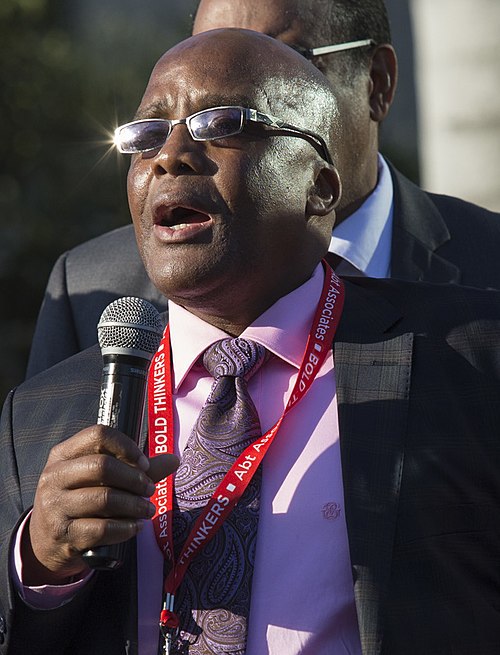
Aaron Motsoaledi
LP; Minister of Home Affairs • South Africa
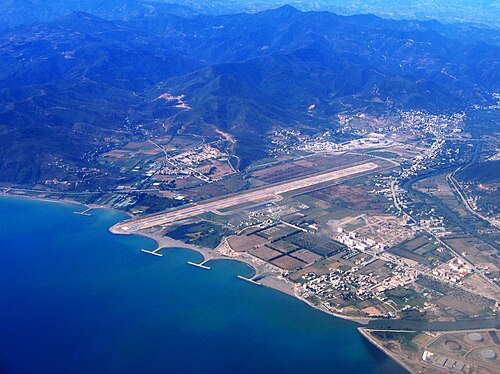
Abane Ramdane†
FLN Leader & Strategist • Algeria
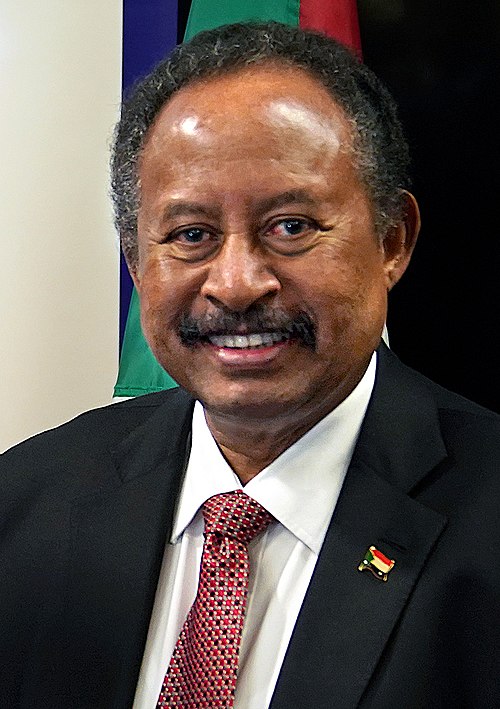
Abdalla Hamdok
Ex-Prime Minister • Sudan
Abdallah Kigoda
Ex-Minister of Natural Resources • Tanzania