Financial Breakdown
Asset Distribution
Assets vs Liabilities
Assets
Disclaimer: These financial estimates are based on publicly available information and should be considered approximate. Last updated: 12/31/2025
Biography
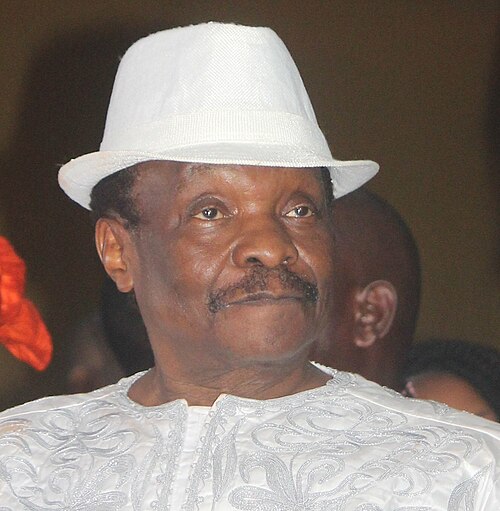
In the pantheon of global music, few artists have bridged continents and cultures as seamlessly as Mory Kanté†. Hailing from the rich musical heritage of Guinea in West Africa, Kanté rose from the tradition of griot storytellers to become a bona fide Global Music Star, captivating millions with a single, electrifying song. His 1987 international smash hit, "Yéké Yéké," became a cultural tsunami, selling over a million copies as a single and introducing the pulsating rhythms of Afrobeat and Mande music to a mainstream global audience for the first time. More than just a one-hit wonder, Mory Kanté† was a visionary innovator who fearlessly fused traditional African instruments like the kora (a 21-string harp-lute) with modern synthesizers, electric guitars, and disco beats, creating a vibrant, irresistible sound that defined an era of cross-cultural Entertainment. His legacy is that of a pioneer who opened the door for the world music explosion of the 1990s and beyond.
Early Life & Education: The Griot's Apprentice
Mory Kanté† was born on March 29, 1950, in Albadariah, a village in the Kissidougou region of Guinea. He was born into one of West Africa's most revered musical lineages, the Kanté family, who were hereditary griots. For centuries, griots served as oral historians, poets, musicians, and advisors to nobility, entrusted with preserving the stories and genealogies of their people through song. Music was not merely a career for young Mory; it was his birthright and destiny.
Formative Years in Tradition
At the age of seven, following a common practice in griot families, he was sent to Bamako, Mali, to live with his aunt and begin his formal apprenticeship. It was here that he mastered the traditional instruments of his craft:
- The Kora: His primary instrument, which he learned with rigorous discipline.
- The Balafon: A wooden xylophone, which he also excelled at playing.
- Griot Vocal Techniques: Learning the complex melodies and historical narratives essential to his role.
His education was deeply traditional, but his environment was changing. Growing up in the vibrant capitals of Bamako and later Conakry, Mory Kanté† was exposed to a new wave of musical influences. He heard Cuban rumba, American soul, funk, and rock on the radio. Bands like Orchestre de la Paillote and Super Rail Band, where he would later replace the legendary Salif Keita as vocalist, were already experimenting with blending big-band jazz and Afro-Cuban sounds with Mande rhythms. This duality—deep roots in tradition and an ear for modern innovation—would become the defining feature of his career.
Career & Major Achievements: From Bamako to Global Stardom
Mory Kanté†'s professional journey is a map of African music's journey onto the world stage. After gaining fame across West Africa with the Super Rail Band in the 1970s, he made a pivotal move to Paris in 1984. Europe offered advanced recording studios and a growing appetite for "world music." Kanté was not content to be a traditionalist; he was an alchemist.
The Birth of "Yéké Yéké" and Global Domination
In 1987, he released the album "Akwaba Beach," which included a track that would alter the course of his life and African pop music. "Yéké Yéké" was a revolutionary fusion: the intricate, rolling patterns of the kora were set against a driving, programmed drum machine beat, funky basslines, and sparkling synthesizers. Kanté's powerful, soaring vocals tied it all together. The song became a massive club hit across Europe and Asia before exploding globally. It reached #1 in Belgium, the Netherlands, Spain, and Finland, and famously topped the newly created Billboard Hot World Music Tracks chart in the United States. With an estimated over one million singles sold, it remains one of the best-selling African singles of all time.
Sustained Influence and Artistic Evolution
While "Yéké Yéké" was his commercial pinnacle, Mory Kanté†'s career was extensive and influential. He continued to release albums that explored the fusion of electronic and traditional sounds, earning him the nickname "the griot electrique." His 1990 album "Touma" ("The Moment") was another critical success. Throughout the 1990s and 2000s, he remained a towering figure and a sought-after collaborator, performing at major festivals worldwide and acting as a cultural ambassador for Guinea and West Africa. His music paved the way for the international success of later African artists and genres, proving that music in languages other than English or French could achieve universal, chart-topping appeal.
Personal Life, Philanthropy & Lasting Legacy
Despite his international fame, Mory Kanté† remained deeply connected to his roots and responsibilities as a griot. He was a family man, married and a father, who often spoke of the importance of passing on cultural knowledge. His personal life was guided by the griot's principle of service to community and cultural preservation.
Philanthropic Efforts and Cultural Stewardship
He was involved in various philanthropic endeavors, particularly those focused on health and education in Africa. He lent his voice and prestige to campaigns fighting malaria and supporting humanitarian causes. His most significant legacy, however, is cultural. Mory Kanté† demonstrated that traditional African music was not a relic of the past but a living, evolving art form that could sit at the forefront of global pop. He modernized the griot's role for the 20th and 21st centuries, using technology not to replace tradition but to amplify it for new generations.
The world lost this iconic figure on May 22, 2020, when Mory Kanté† passed away in Conakry, Guinea, at the age of 70. His death was met with an outpouring of grief from across Africa and the world, a testament to his immense impact. He is remembered not just for a hit song, but as a visionary who broke barriers and forever changed the soundscape of Entertainment.
Net Worth & Business Ventures
As a pioneering Global Music Star with a worldwide hit, Mory Kanté† achieved significant financial success, especially following the unprecedented sales of "Yéké Yéké." While exact figures of his net worth were never publicly confirmed, it is widely acknowledged that the song generated millions in revenue from single sales, album sales (Akwaba Beach sold over 500,000 copies), and extensive international touring throughout the late 1980s and 1990s. His music continues to generate royalties through streaming, licensing, and sampling in various media.
Beyond recording and performance, Kanté's business ventures were intrinsically linked to his art and heritage. He invested in his craft, maintaining a professional touring band and producing high-quality recordings. He also contributed to the music industry in Guinea, supporting local musicians and initiatives. His primary "business" was the stewardship and innovative propagation of Mande music culture, a venture whose dividends are measured in cultural influence rather than pure currency. His success opened economic doors for the African music industry as a whole, proving its vast commercial potential on the world stage.
Sources: Historical data and career milestones are documented by reputable music archives and news outlets including BBC, The Guardian, and Afropop Worldwide. Chart achievements are verified through Billboard history and international music record databases.
Frequently Asked Questions
What is Mory Kanté†'s estimated net worth?
Mory Kanté† has an estimated net worth of R 161.9 Million.
What is Mory Kanté†'s role and nationality?
Mory Kanté† is a Global Music Star from Guinea.
How did Mory Kanté† make their money?
Mory Kanté† built their fortune primarily through Mory Kanté was a successful musician, but he was not a business magnate and is not listed on any billionaire ranking. His wealth derived from music sales and performances, placing him in the multi-millionaire range..
How old is Mory Kant�
Mory Kanté† was born in 1950 (76 years old).
Which category is Mory Kanté† listed under?
Mory Kanté† is featured under the Entertainment category on NetWorth Africa.
How is Mory Kanté†'s net worth calculated?
NetWorth Africa estimates financial valuations using publicly available stock equity holdings, company ownership records, real estate assets, and verified market data.
Net Worth Analysis
Mory Kanté was a successful musician, but he was not a business magnate and is not listed on any billionaire ranking. His wealth derived from music sales and performances, placing him in the multi-millionaire range.
Quick Stats
Related People

2Baba (Innocent Idibia)
Veteran Artist & Activist • Nigeria
Aar Maanta
Singer & Composer • Somalia
Abdel Aziz al-Mubarak
Oud Master • Sudan
Abdel Halim Hafez†
Legend; “Nightingale”; “The Dark-Skinned Nightingale” • Egypt