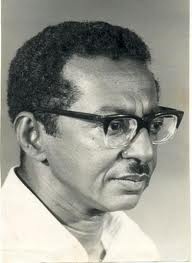
Biography
Introduction: The Poet of Nation and Spirit
In the rich tapestry of Sudanese Arts & Culture, few figures shine as brightly as Muhammad al-Mahdi al-Majdhub† (1919-1982). Revered as one of Sudan's most influential and beloved poets of the 20th century, al-Majdhub masterfully wove together the threads of Sufi spirituality, deep national consciousness, and classical Arabic poetic form. His work transcended mere artistic expression, becoming a resonant voice for the Sudanese identity during a period of profound social and political change. A key achievement of Muhammad al-Mahdi al-Majdhub† was his ability to modernize the traditional Arabic qasida (ode), infusing it with contemporary relevance while maintaining its lyrical beauty and depth. His poetry, often set to music, achieved unparalleled popularity, making his verses a common cultural currency across all segments of Sudanese society. For anyone exploring the landscape of Sudan's literary heritage, the legacy of this master poet is an essential chapter.
Early Life & Education: Roots in a Scholarly Tradition
Muhammad al-Mahdi al-Majdhub† was born in 1919 in Al Dabbah, in northern Sudan, into a family renowned for its religious scholarship and literary prowess. The al-Majdhub family name itself carries significant weight in Sudanese Islamic and cultural history, being associated with a prominent Sufi order. This environment immersed the young Muhammad al-Mahdi al-Majdhub† in an atmosphere where spirituality, language, and poetry were inseparable. His early education followed the traditional khalwa (Quranic school) system, where he memorized the Quran and mastered the fundamentals of Arabic grammar, rhetoric, and classical literature. This rigorous foundation provided the technical bedrock for his future poetic genius.
His formative years were not confined to religious study alone. He witnessed and absorbed the cultural and intellectual currents of early 20th-century Sudan, including the growing nationalist movement against the Anglo-Egyptian condominium rule. This blend of deep-rooted Islamic tradition and burgeoning national awareness became the crucible for his artistic development. After completing his traditional education, he moved to Omdurman, the nation's cultural heart, where he furthered his studies at the Institute of Education. It was here that his poetic talent began to crystallize and gain recognition, setting the stage for a career that would define an era of Sudanese Arts & Culture.
Career & Major Achievements: The Voice of a Generation
The career of Muhammad al-Mahdi al-Majdhub† was marked by prolific output and profound public impact. He worked as a teacher and later in broadcasting, roles that amplified his voice and connected his poetry directly to the people. His professional life was seamlessly integrated with his poetic vocation. His major achievements can be understood through several key contributions:
Modernizing the Sudanese Qasida
Muhammad al-Mahdi al-Majdhub† is celebrated for revitalizing the classical Arabic ode, making it a vehicle for contemporary themes. While respecting its traditional structure and musicality, he filled it with content that spoke directly to the hopes, struggles, and pride of the Sudanese people. His poems like "Nashid al-Jundi" (The Soldier's Anthem) and "Biladi" (My Country) became anthems of patriotism, especially around the time of Sudan's independence in 1956.
Sufi Spirituality in Verse
A defining feature of his work is its profound Sufi dimension. Poems such as "Madih al-Nabawi" (Panegyric for the Prophet) and numerous others explore themes of divine love, spiritual yearning, and moral integrity. This spiritual thread made his work deeply resonant in a society where Sufi traditions are widespread, elevating him to a status beyond that of a mere literary figure to a kind of poetic guide.
Cultural Integration and Popularity
Perhaps his most unique achievement was the symbiotic relationship between his poetry and music. Renowned Sudanese composers and singers, including the legendary Abdel Karim el-Kabli, set his verses to music. This fusion created a powerful cultural product—poems that were read, recited, and sung. His work became the soundtrack to national celebrations, radio broadcasts, and everyday life, ensuring his words reached an audience far beyond literary circles.
Notable Publications and Recognition
Throughout his life, Muhammad al-Mahdi al-Majdhub† published several influential collections of his poetry. His diwan (collected works) remains a cornerstone of Sudanese literature. His impact was formally recognized when he was awarded Sudan's prestigious al-Nilain Order for Arts and Letters, the nation's highest cultural honor. He also represented Sudan in numerous international cultural forums, acting as an ambassador for Sudanese Arts & Culture on the global stage.
Personal Life & Legacy: The Enduring Spirit
Outside of his public persona, Muhammad al-Mahdi al-Majdhub† was known as a man of principle, humility, and deep faith, consistent with the Sufi values expressed in his poetry. He was a devoted family man and a teacher at heart, committed to nurturing the next generation. His personal interests were inextricably linked to his work—a lifelong study of Arabic literature, Islamic sciences, and Sudanese folklore. While not a businessman or philanthropist in the conventional sense, his philanthropy was cultural: he gave the gift of language, pride, and spiritual reflection to his entire nation.
The legacy of Muhammad al-Mahdi al-Majdhub† is omnipresent in modern Sudan. He passed away in 1982, but his poetry remains vibrantly alive. His verses are still taught in schools, sung by contemporary artists, and quoted in political and social discourse. He established a poetic standard that balanced authenticity with artistry, tradition with innovation. For emerging Sudanese poets and writers, he remains a towering figure and a source of inspiration. His work continues to be a primary reference point for understanding Sudanese national identity, spiritual sensibility, and the power of the spoken word in Arts & Culture. The story of Sudanese literature is incomplete without the profound contributions of Muhammad al-Mahdi al-Majdhub†.
Net Worth & Cultural Capital
Discussing the net worth of a figure like Muhammad al-Mahdi al-Majdhub† in purely financial terms misses the essence of his contribution. As a poet and educator working in mid-20th century Sudan, his economic life was modest, aligned with the careers of many respected teachers and civil servants of his time. He did not pursue commercial business ventures; his "enterprise" was the cultivation of cultural and spiritual wealth. His true capital was cultural capital—an immeasurable wealth of respect, influence, and enduring popularity. The value of his published works (his diwan) lies in their continuous circulation and study, not in commercial royalties. In contemporary terms, his legacy is priceless, forming an integral part of Sudan's intangible national heritage. The investments he made were in language and national spirit, dividends from which continue to be reaped by the Sudanese people and lovers of Arabic poetry worldwide.
Key Facts at a Glance
- Full Name: Muhammad al-Mahdi al-Majdhub†
- Born: 1919, Al Dabbah, Sudan
- Died: 1982
- Primary Role: Poet
- Category: Arts & Culture
- Subcategory: Literature
- Nationality: Sudanese
- Key Achievement: Modernizing Arabic poetry for a Sudanese context, creating nationally beloved poems set to music.
- Honor: Recipient of Sudan's al-Nilain Order for Arts and Letters.
- Legacy: Considered one of Sudan's national poets, with a lasting impact on the country's cultural identity.
Frequently Asked Questions
What is Muhammad al-Mahdi al-Majdhub†'s estimated net worth?
Muhammad al-Mahdi al-Majdhub† has an estimated net worth of $1.0 Million.
What is Muhammad al-Mahdi al-Majdhub†'s role and nationality?
Muhammad al-Mahdi al-Majdhub† is a Poet from Sudan.
How did Muhammad al-Mahdi al-Majdhub† make their money?
Muhammad al-Mahdi al-Majdhub† built their fortune primarily through Muhammad al-Mahdi al-Majdhub was a revered Sudanese poet, not a business figure; wealth in such cultural roles in Sudan is typically modest and not documented in billionaire lists..
How old is Muhammad al-Mahdi al-Majdhub†?
Muhammad al-Mahdi al-Majdhub† was born in 1919 (107 years old).
Which category is Muhammad al-Mahdi al-Majdhub† listed under?
Muhammad al-Mahdi al-Majdhub† is featured under the Arts & Culture category on NetWorth Africa.
How is Muhammad al-Mahdi al-Majdhub†'s net worth calculated?
NetWorth Africa estimates financial valuations using publicly available stock equity holdings, company ownership records, real estate assets, and verified market data.
Net Worth Analysis
Muhammad al-Mahdi al-Majdhub was a revered Sudanese poet, not a business figure; wealth in such cultural roles in Sudan is typically modest and not documented in billionaire lists.
Quick Stats
Related People
Abasse Ndione
Novelist & Playwright • Senegal
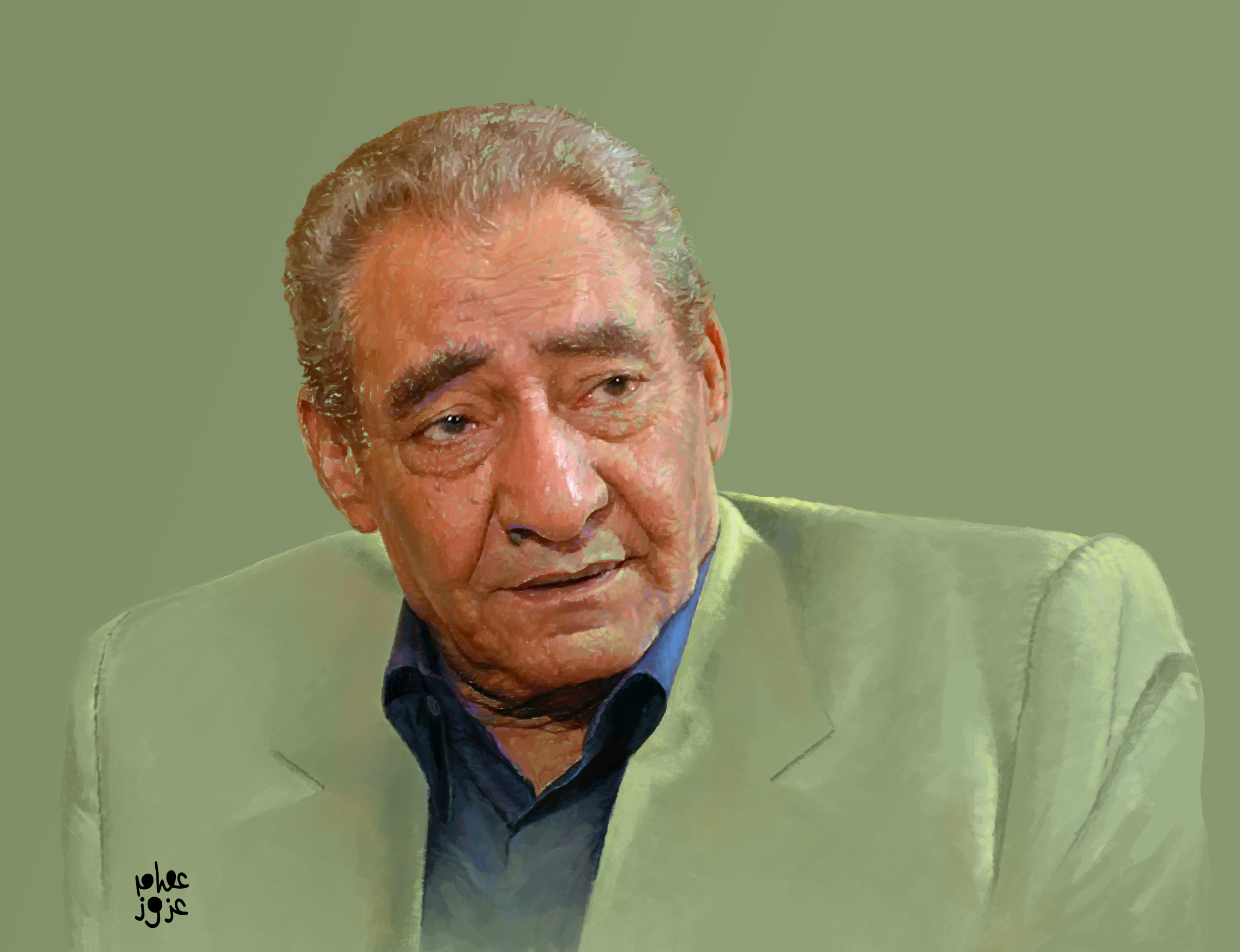
Abdel Rahman al-Abnudi†
Poet (Egypt-Sudan) • Sudan
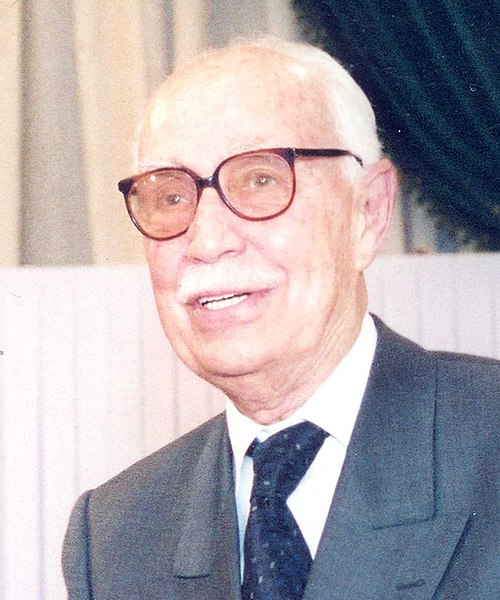
Abdelkrim Ghallab†
Novelist & Journalist • Morocco
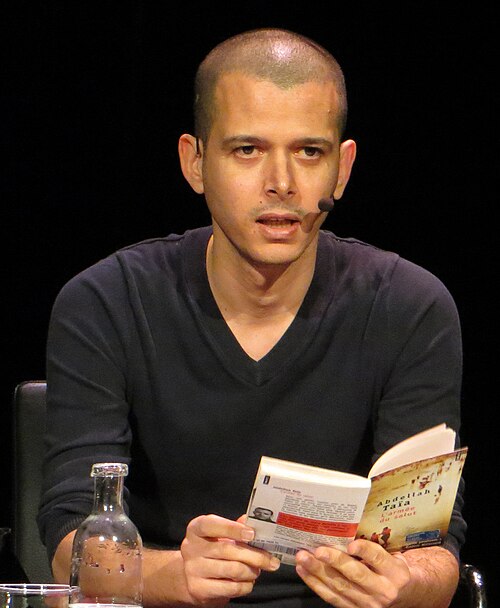
Abdellah Taïa
Novelist & Filmmaker • Morocco