Financial Breakdown
Asset Distribution
Assets vs Liabilities
Assets
Liabilities
Disclaimer: These financial estimates are based on publicly available information and should be considered approximate. Last updated: 7/31/2026
Biography
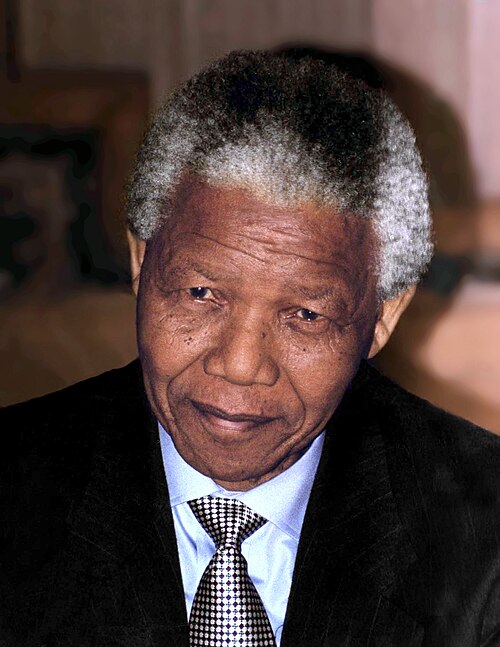
Nelson Mandela†: The First Democratic President of South Africa
Nelson Rolihlahla Mandela† stands as one of the most transformative figures in modern history, a global icon of peace, justice, and human resilience. As the First Democratic President of South Africa, he led the nation from 1994 to 1999, becoming the country's first black head of state in a fully representative democratic election. His remarkable journey from political prisoner to president symbolized the triumph over the brutal system of apartheid. Born in 1918, Mandela dedicated his life to dismantling institutionalized racism, fostering racial reconciliation, and building a unified South Africa. His leadership of the African National Congress (ANC) and his unwavering commitment to non-racial democracy earned him the Nobel Peace Prize in 1993. In the realm of Politics & Government, particularly within the Liberation Era, Mandela’s legacy is unparalleled. He not only liberated a nation but also inspired a global movement for human rights, proving that forgiveness and dialogue could overcome decades of oppression. His story is a testament to the power of perseverance, making him one of the most revered leaders of the 20th century.
Early Life & Education
Nelson Mandela† was born on July 18, 1918, in the small village of Mvezo, in the Eastern Cape of South Africa. His birth name, Rolihlahla, means "pulling the branch of a tree" or "troublemaker," a fitting prophecy for a man who would shake the foundations of a racist regime. He was a member of the Thembu royal family, and his father, Gadla Henry Mphakanyiswa, was a chief and counselor to the king. After his father’s death, young Mandela was placed under the guardianship of Chief Jongintaba Dalindyebo, the acting regent of the Thembu people.
Mandela’s formal education began at a local missionary school, where he was given the English name Nelson. He later attended the Clarkebury Boarding Institute and then Healdtown, a prestigious Wesleyan secondary school. In 1939, he enrolled at the University of Fort Hare, the only residential university for black Africans in South Africa at the time. It was here that his political consciousness began to awaken. He studied law and became involved in student politics, leading to his expulsion in 1940 for participating in a student protest against the university’s policies. To avoid an arranged marriage, Mandela fled to Johannesburg in 1941, where he completed his Bachelor of Arts degree by correspondence and began studying law at the University of Witwatersrand. These formative years—marked by exposure to institutionalized racism, royal lineage, and higher education—shaped his identity as an African nationalist and socialist, setting the stage for his lifelong struggle against apartheid.
Career & Major Achievements
The career of Nelson Mandela† is a chronicle of revolutionary activism, imprisonment, and eventual triumph. After moving to Johannesburg, he worked as a law clerk and, in 1952, opened the first black law firm in South Africa with his partner, Oliver Tambo. The firm provided legal counsel to black South Africans who were systematically denied justice under apartheid laws.
Anti-Apartheid Leadership
Mandela joined the African National Congress (ANC) in 1943 and co-founded its Youth League in 1944. He rose through the ranks, becoming the ANC's President in 1991. His activism was initially non-violent, leading the Defiance Campaign in 1952 and the Congress of the People in 1955, which adopted the Freedom Charter. However, after the Sharpeville Massacre in 1960, the ANC was banned, and Mandela shifted strategy. He co-founded Umkhonto we Sizwe (MK), the armed wing of the ANC, in 1961, advocating for sabotage against government infrastructure to avoid bloodshed. In 1962, he was arrested and sentenced to life imprisonment in the infamous Rivonia Trial of 1964.
Imprisonment and Global Icon
For 27 years, Nelson Mandela† was incarcerated, mostly on Robben Island. Despite harsh conditions, he became a global symbol of resistance. International campaigns demanding his release intensified, and he refused offers of conditional freedom. During this time, he secretly wrote his autobiography, "Long Walk to Freedom." His release on February 11, 1990, was a watershed moment, watched by millions worldwide.
Presidency and Reconciliation
In 1994, Nelson Mandela† was elected the First Democratic President of South Africa in the country’s first multiracial elections. His presidency was defined by the Truth and Reconciliation Commission, which aimed to heal the wounds of apartheid by uncovering human rights violations while offering amnesty in exchange for truth. He also established the Reconstruction and Development Programme to address poverty and inequality. Mandela served only one term, stepping down in 1999, setting a powerful precedent for democratic leadership. His government focused on dismantling the legacy of apartheid by tackling institutionalised racism and fostering racial reconciliation. Ideologically an African nationalist and socialist, his tenure laid the groundwork for a new South Africa.
Personal Life & Legacy
Nelson Mandela† married three times. His first marriage to Evelyn Mase ended in divorce. His second marriage to Winnie Madikizela-Mandela was a powerful partnership during the struggle, though they separated in 1992. In 1998, on his 80th birthday, he married Graça Machel, the widow of Mozambican President Samora Machel. He was a devoted father to six children, though his political life often kept him away from his family. Mandela was a philanthropist, founding the Nelson Mandela Foundation and the Mandela Rhodes Foundation to promote education, peace, and social justice. He also supported the 46664 campaign (named after his prison number) to raise awareness about HIV/AIDS, a cause he championed publicly after his presidency. His legacy is celebrated annually on Mandela Day (July 18), a global day of service. He received over 250 honors, including the Nobel Peace Prize (1993), the Presidential Medal of Freedom, and the Order of Lenin. He is remembered as the father of a democratic South Africa and a global moral compass for justice.
Net Worth & Business
As a revolutionary and public servant, Nelson Mandela† amassed a relatively modest personal fortune compared to world leaders. His net worth at the time of his death in 2013 was estimated at around $10 million. The bulk of his wealth came from book royalties, particularly from his autobiography "Long Walk to Freedom" and other publications. He also earned income from speaking engagements and donations. Mandela was not a traditional businessman; however, he established the Nelson Mandela Foundation and the Mandela Institute for Development, which manage his intellectual property and charitable endeavors. He was famously frugal, donating a significant portion of his earnings to charity. His name and likeness are licensed through the Nelson Mandela Foundation, with proceeds funding educational and humanitarian projects. In the context of Politics & Government and the Liberation Era, Mandela’s financial legacy is not one of personal accumulation but of using his resources to continue the fight for equality and education in South Africa and beyond.
Frequently Asked Questions
What is Nelson Mandela†'s estimated net worth?
Net worth details for Nelson Mandela† are currently being updated.
What is Nelson Mandela†'s role and nationality?
Nelson Mandela† is a First Democratic President from South Africa.
How did Nelson Mandela† make their money?
Nelson Mandela† built their fortune primarily through Nelson Mandela passed away in 2013, so his net worth as of 2026 is effectively zero..
How old is Nelson Mandela†?
Nelson Mandela† was born in 1918 (108 years old).
Which category is Nelson Mandela† listed under?
Nelson Mandela† is featured under the Politics & Government category on NetWorth Africa.
How is Nelson Mandela†'s net worth calculated?
NetWorth Africa estimates financial valuations using publicly available stock equity holdings, company ownership records, real estate assets, and verified market data.
Net Worth Analysis
Nelson Mandela passed away in 2013, so his net worth as of 2026 is effectively zero.
Quick Stats
Related People
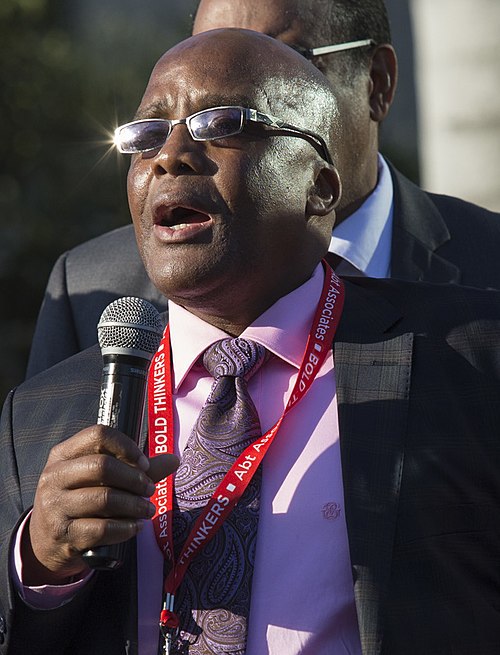
Aaron Motsoaledi
LP; Minister of Home Affairs • South Africa
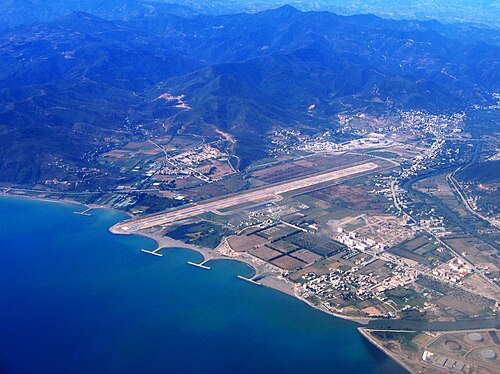
Abane Ramdane†
FLN Leader & Strategist • Algeria
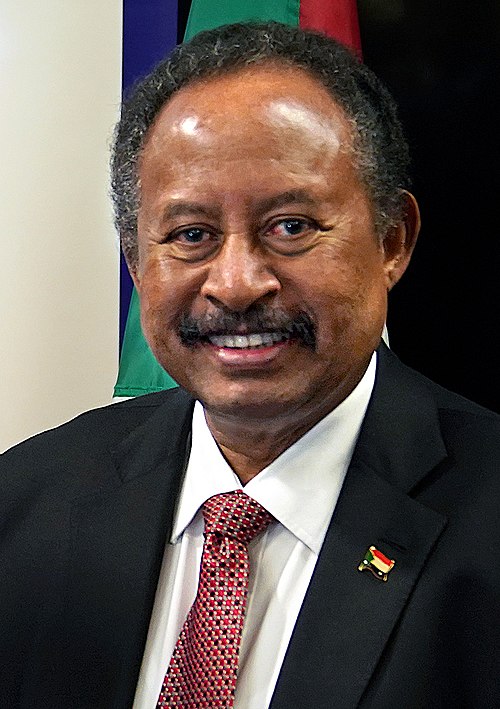
Abdalla Hamdok
Ex-Prime Minister • Sudan
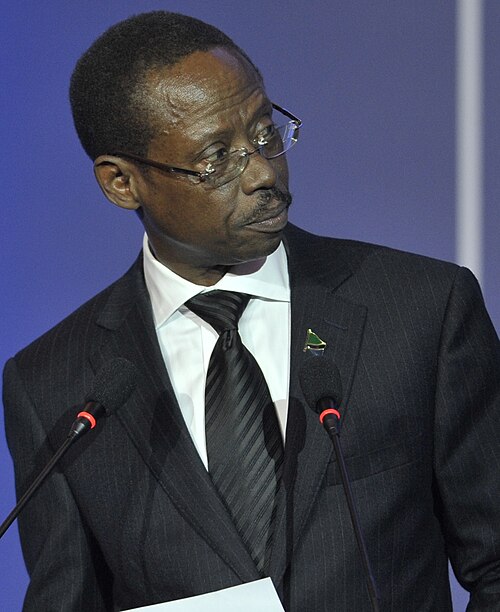
Abdallah Kigoda
Ex-Minister of Natural Resources • Tanzania