
Financial Breakdown
Asset Distribution
Assets vs Liabilities
Assets
Disclaimer: These financial estimates are based on publicly available information and should be considered approximate. Last updated: 12/29/2025
Biography
Introduction: A Defining Figure in Nigeria's History
Chief Olusegun Obasanjo is a monumental figure in the annals of Nigeria and African Politics & Government. His life and career uniquely straddle the nation's military and civilian eras, making him one of the most influential and controversial leaders of the 20th and 21st centuries. Born in 1937, Obasanjo rose from humble beginnings to become a military head of state and later a twice-elected civilian president. His most notable early achievement was becoming the first military leader in Nigeria to voluntarily hand over power to a democratically elected government in 1979. Decades later, as a civilian Ex-President & AU Envoy, he played a pivotal role in steering Nigeria from military dictatorship to democracy in 1999 and has remained a dominant force in continental diplomacy. The story of Olusegun Obasanjo is, in many ways, the story of modern Nigeria itself.
Early Life & Education: From Abeokuta to the Army
Olusegun Matthew Okikiola Aremu Obasanjo was born on March 5, 1937, in the village of Ibogun-Olaogun in present-day Ogun State, southwestern Nigeria. Hailing from the Yoruba ethnic group, his early life was marked by the modest means of his farming family. His initial education was at the Baptist Day School and Baptist Boys’ High School in Abeokuta, where he displayed early promise. Unlike many of his contemporaries who pursued university education, Obasanjo's path took a decisive turn when he enlisted in the Nigerian Army in 1958. He received military training in Ghana and England, at the Mons Officer Cadet School and the Royal College of Military Engineering. These formative years instilled in him a sense of discipline and structure that would define his approach to leadership. His education continued throughout his career, including a course at the prestigious Royal College of Defence Studies in the UK. This blend of basic traditional upbringing and elite military training equipped Olusegun Obasanjo with a unique worldview, preparing him for the complex challenges of governing a fractious nation.
Career & Major Achievements: Soldier, Statesman, and Diplomat
The career of Olusegun Obasanjo can be divided into three distinct phases: military officer, military head of state, and civilian president.
Military Ascendancy and Civil War
Obasanjo rose steadily through the army ranks during the 1960s. His defining moment in uniform came during the Nigerian Civil War (1967-1970). As a commander of the 3rd Marine Commando Division, he was instrumental in the final offensive that led to the surrender of Biafran forces. His military success made him a national figure and set the stage for his entry into high-level Politics & Government.
Military Head of State (1976-1979)
Following the assassination of General Murtala Muhammed in a failed coup attempt in 1976, Obasanjo, as Chief of Staff, Supreme Headquarters, succeeded him. Despite initial reluctance, he led the Federal Military Government with a focus on continuity. Key achievements during this tenure include:
- The Transition to Civilian Rule: Fulfilling Murtala's plan, Obasanjo oversaw a detailed transition program, culminating in the 1979 elections and the handover to President Shehu Shagari. This historic act cemented his reputation as a democratically-minded soldier.
- Economic Reforms: He launched "Operation Feed the Nation," an agricultural program aimed at achieving food self-sufficiency.
- Foreign Policy: He was a strong advocate against apartheid in South Africa and promoted African unity, laying groundwork for his future continental role.
Civilian President of Nigeria (1999-2007)
After years in political wilderness, including imprisonment under the Abacha regime, Obasanjo was released and, remarkably, elected as the civilian President in 1999, following the death of Sani Abacha. His election marked the end of 16 consecutive years of military rule. His two-term presidency was marked by significant reforms and controversies:
- Economic Management: He secured substantial debt relief for Nigeria from the Paris Club, wiping out about \$18 billion in debt in 2005.
- Institutional Reforms: He established the Economic and Financial Crimes Commission (EFCC) and the Independent Corrupt Practices Commission (ICPC) to tackle graft.
- Telecommunications Revolution: The liberalization of the telecoms sector led to the explosive growth of mobile phone usage in Nigeria.
- Infrastructure: Major projects like the Abuja-Kaduna railway began under his administration.
- Controversies: His attempts to amend the constitution to seek a third term failed and were widely criticized. His administration was also dogged by allegations of corruption.
Continental Diplomacy as AU Envoy
Even after his presidency, Olusegun Obasanjo remained a powerful force. As a special Ex-President & AU Envoy for the African Union, he mediated conflicts across the continent, including in Congo, Sudan, and Ethiopia. His farm in Ogun State, the Obasanjo Presidential Library, and the Olusegun Obasanjo Presidential Foundation became hubs for political discourse and peacebuilding initiatives, solidifying his status as an elder statesman.
Personal Life, Philanthropy, and Lasting Legacy
Olusegun Obasanjo is a devoted Christian and a prolific author, having written several books on leadership, politics, and his experiences. He is a farmer at heart, often referring to agriculture as his primary profession. His personal life has been eventful; he is married to multiple wives and has many children. Through the Olusegun Obasanjo Foundation, he focuses on human security issues, including public health, education, and women's empowerment across Africa. The Obasanjo Presidential Library in Abeokuta, the first of its kind in Africa, stands as a physical testament to his life and Nigeria's political history. The legacy of Olusegun Obasanjo is complex and multifaceted. He is celebrated as a key architect of modern Nigerian democracy, a respected continental mediator, and a force for stability. Simultaneously, critics point to unresolved corruption and political maneuvering during his rule. Nonetheless, his impact on Nigeria's trajectory and African Politics & Government is undeniable and enduring.
Net Worth, Business Ventures, and Post-Presidency
While the exact net worth of Olusegun Obasanjo is not publicly verified and is a subject of much speculation, he is considered one of the wealthiest former presidents in Africa. His financial portfolio is diversified. His most famous business venture is Obasanjo Farms Nigeria Limited, a large-scale integrated agribusiness with interests in poultry, fish farming, and crop production. He also has reported investments in real estate, telecommunications, and the media sector. The commercially viable aspects of the Obasanjo Presidential Library complex also contribute to his economic standing. It is important to note that his wealth accumulation, particularly the source of startup capital for his businesses, has been frequently questioned by political opponents and transparency advocates. Regardless, his transition from a military and political leader to a successful agribusiness entrepreneur marks a significant chapter in his life after active presidency.
Frequently Asked Questions
What is Olusegun Obasanjo's estimated net worth?
Olusegun Obasanjo has an estimated net worth of $10.0 Million.
What is Olusegun Obasanjo's role and nationality?
Olusegun Obasanjo is a Ex-President & AU Envoy from Nigeria.
How did Olusegun Obasanjo make their money?
Olusegun Obasanjo built their fortune primarily through As a former president and elder statesman, his wealth is primarily from pensions, book royalties, and public speaking, not business empires, and he is not listed among African billionaires..
How old is Olusegun Obasanjo?
Olusegun Obasanjo was born in 1937 (89 years old).
Which category is Olusegun Obasanjo listed under?
Olusegun Obasanjo is featured under the Politics & Government category on NetWorth Africa.
How is Olusegun Obasanjo's net worth calculated?
NetWorth Africa estimates financial valuations using publicly available stock equity holdings, company ownership records, real estate assets, and verified market data.
Net Worth Analysis
As a former president and elder statesman, his wealth is primarily from pensions, book royalties, and public speaking, not business empires, and he is not listed among African billionaires.
Quick Stats
Related People
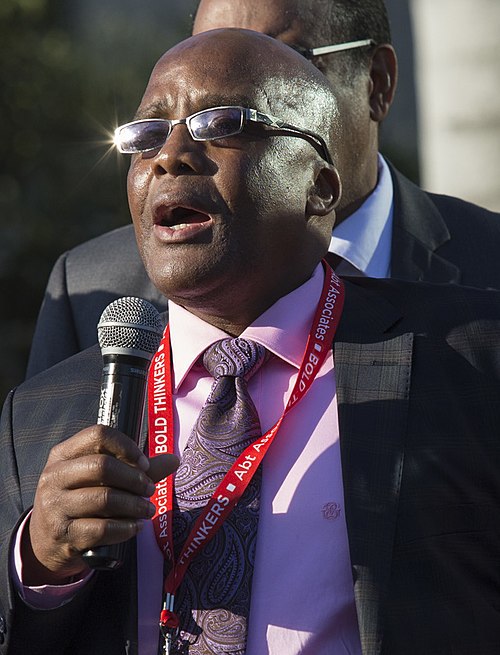
Aaron Motsoaledi
LP; Minister of Home Affairs • South Africa
Abane Ramdane†
FLN Leader & Strategist • Algeria
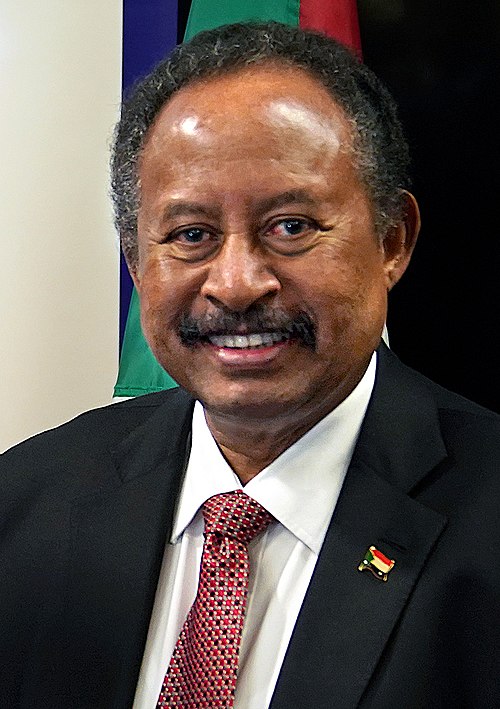
Abdalla Hamdok
Ex-Prime Minister • Sudan
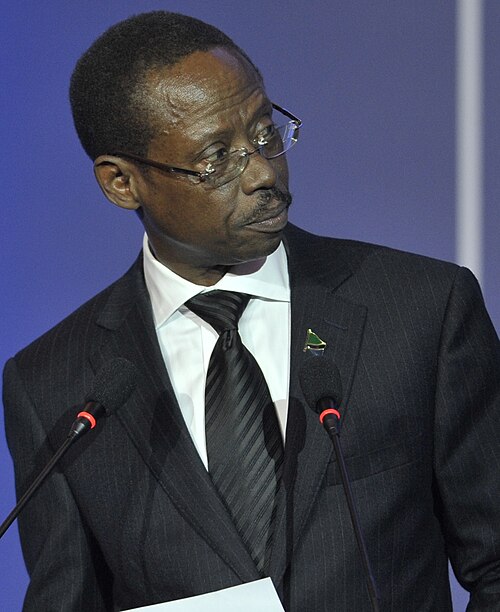
Abdallah Kigoda
Ex-Minister of Natural Resources • Tanzania