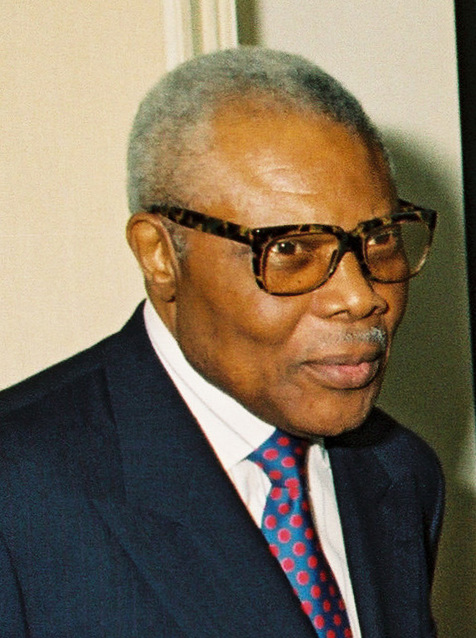
Biography
Introduction: A Democratic Pioneer Amidst Turmoil
Pascal Lissouba† stands as a pivotal and tragic figure in the modern political history of Central Africa. He is primarily noted for becoming the first democratically elected President of the Republic of the Congo, serving from August 31, 1992, until October 15, 1997. His ascent to power in 1992 marked a historic moment, ending nearly three decades of one-party Marxist-Leninist rule and ushering in a brief era of multi-party democracy. However, the presidency of Pascal Lissouba† was almost immediately engulfed in fierce political rivalry and violent conflict. His term, which began with immense hope, ultimately culminated in a devastating civil war that led to his overthrow. This biography explores the life, achievements, and controversial legacy of a leader whose career mirrored the turbulent post-colonial journey of the Republic of the Congo itself.
Early Life & Education: From Mayombe to Academia
Pascal Lissouba was born on November 15, 1931, in the village of Nkolo, located in the Mayombe region of the then-French Equatorial Africa. Hailing from the Nzabi ethnic group, his early life was rooted in the rural landscapes of what would become the independent Republic of the Congo. Demonstrating academic promise, he pursued higher education in France, a common path for the African elite of his generation. He earned a degree in agronomy from the prestigious National Agronomic Institute in Paris and later a Doctorate in Natural Sciences.
This strong scientific background shaped his technocratic approach to governance. Before entering full-time politics, Lissouba built a respected career in academia and agricultural administration. He served as a professor and later as the Director of the Center for Agronomic Research in Brazzaville. His expertise led him to ministerial positions in the early years of Congolese independence, where he focused on agricultural development. These formative experiences established him as an intellectual in politics, a man who favored planning and technical solutions, yet he would soon be thrust into the volatile arena of Politics & Government where such approaches were often overshadowed by ethnic allegiances and power struggles.
Career & Major Achievements: The Path to Power and Civil War
The political career of Pascal Lissouba† was long and complex, spanning the entirety of Congo's post-independence period. His journey to the presidency was not linear, marked by periods of prominence and exile.
Rise to Prominence and First Tenure
Lissouba first entered high office in 1963 when he was appointed Prime Minister by President Alphonse Massamba-Débat, a position he held until 1966. This period aligned with the Congo's leftward turn and the establishment of a single-party state. Following a military coup in 1968 led by Marien Ngouabi, Lissouba fell out of favor and spent much of the 1970s and 1980s in exile, working for UNESCO and other international bodies. His return to the forefront of Congolese politics was catalyzed by the wave of democratization that swept Africa in the early 1990s.
The 1992 Election and Democratic Milestone
The crowning achievement of his career came in 1992. Following the National Conference that ended one-party rule, Pascal Lissouba† ran for the presidency as the candidate of the Pan-African Union for Social Democracy (UPADS). In a landmark two-round election, he defeated Bernard Kolélas and the sitting military ruler, Denis Sassou Nguesso. His victory on August 16, 1992, was a monumental event, celebrated internationally as a triumph for democracy. As Ex-President (1992-1997), this period remains his defining historical contribution.
A Presidency Consumed by Conflict
Unfortunately, his major achievements in office were severely constrained by political instability. His tenure was plagued by a bitter power struggle with the opposition-dominated parliament, leading to political deadlock. Key events include:
- The 1993 Political Crisis: Disputed parliamentary elections triggered violent clashes between militias loyal to Lissouba's government and those of opposition leaders Bernard Kolélas and Denis Sassou Nguesso. This conflict, often called the "War of the Houses," resulted in thousands of deaths in Brazzaville.
- Economic Challenges: Despite his agronomic background, Lissouba's government struggled with a collapsing economy, heavily dependent on fluctuating oil revenues and burdened by debt.
- The 1997 Civil War: The most catastrophic event of his presidency was the four-month civil war that erupted in June 1997. Triggered by Lissouba's attempt to disarm the militia of his rival, Denis Sassou Nguesso, the conflict drew in Angolan military forces on Sassou's side. This intervention proved decisive, leading to the capture of Brazzaville and the overthrow of Pascal Lissouba† in October 1997.
Personal Life, Exile, and Legacy
Following his ouster, Pascal Lissouba went into exile, initially in Burkina Faso and later settling in France. In 2001, he was tried in absentia by the new Congolese government and convicted on charges of treason and embezzlement, sentences he and his supporters denounced as politically motivated. He lived in Paris until his death on August 24, 2020, at the age of 88.
His personal life was marked by his marriage to Jocelyne Lissouba, with whom he had children. Known for his intellectual demeanor and command of French, he was a stark contrast to the more militaristic figures he often opposed. The legacy of Pascal Lissouba† is profoundly dualistic. He is remembered as the father of Congolese democracy, the man who oversaw its first peaceful, multi-party transition. Simultaneously, his presidency is associated with the descent into militia politics and the brutal civil wars of the 1990s that devastated Brazzaville. Historians debate whether he was a victim of the intractable rivalries he inherited or a contributor to them through his political maneuvers. His life remains a central narrative in understanding the challenges of democratic consolidation and Executive Leadership in post-colonial Africa.
Net Worth & Business Ventures
Quantifying the precise net worth of Pascal Lissouba† is challenging due to the lack of public financial disclosures and the politically charged nature of accusations made during and after his presidency. His career included salaried positions as a professor, an international civil servant with UNESCO, and state salaries as a minister and president. The primary controversy surrounding his wealth stems from the 2001 conviction in absentia for embezzlement of state funds, specifically related to oil revenues. The Congolese court alleged misappropriation of millions of dollars, claims Lissouba consistently denied, labeling them a political witch-hunt by his successor's regime. Unlike some African leaders, he was not widely known for owning large, visible international business ventures. His financial legacy, much like his political one, is contested, defined by the allegations of his opponents and the lack of transparent adjudication. In exile, he lived a relatively low-profile life, and no substantial independent audit of his personal wealth was ever conducted.
Sources for this biography include historical records from the Republic of the Congo, reports from international news agencies (BBC, Reuters, AFP) covering the 1992 election and 1997 civil war, and academic analyses of post-colonial African politics. Further information can be found through reputable encyclopedic resources.
Connected People & Network
Explore Full Interactive Map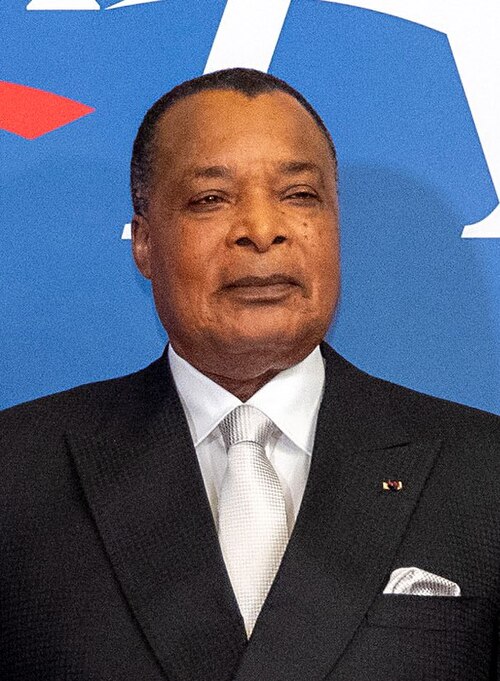
Net Worth Analysis
As a former president of the Republic of the Congo, his wealth was not publicly documented on major rich lists, and post-presidency life was marked by exile and political opposition, suggesting limited personal fortune.
Frequently Asked Questions
What is Pascal Lissouba†'s estimated net worth?
Pascal Lissouba† has an estimated net worth of R 80.9 Million.
What is Pascal Lissouba†'s role and nationality?
Pascal Lissouba† is a Ex-President (1992-1997) from Republic of the Congo.
How did Pascal Lissouba† make their money?
Pascal Lissouba† built their fortune primarily through As a former president of the Republic of the Congo, his wealth was not publicly documented on major rich lists, and post-presidency life was marked by exile and political opposition, suggesting limited personal fortune..
How old is Pascal Lissouba†?
Pascal Lissouba† was born in 1931 (95 years old).
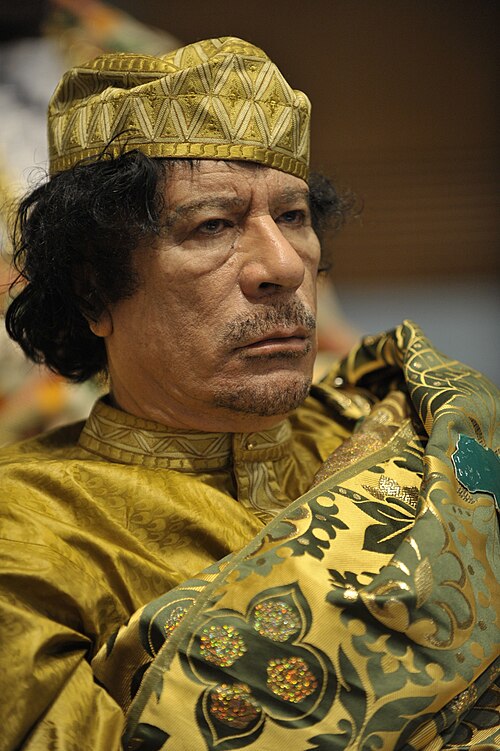
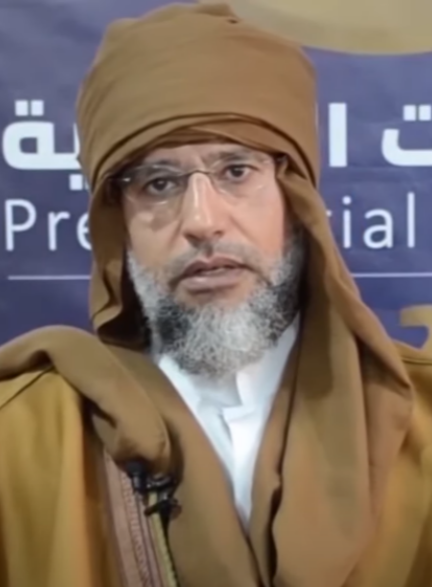
Related Personalities
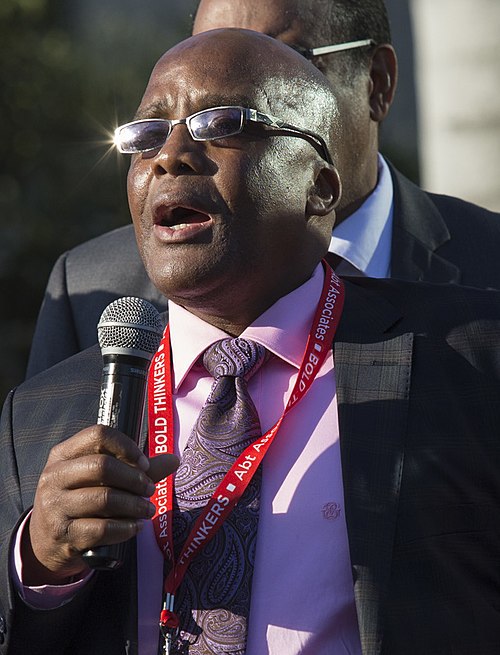
Aaron Motsoaledi
LP; Minister of Home Affairs • South Africa
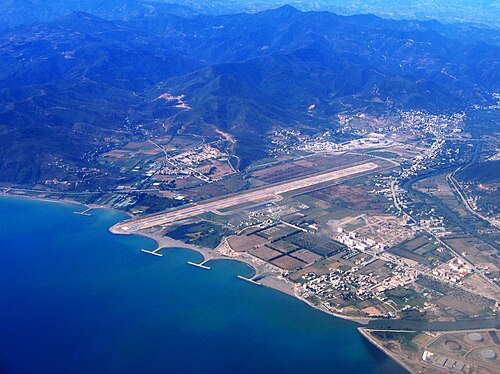
Abane Ramdane†
FLN Leader & Strategist • Algeria
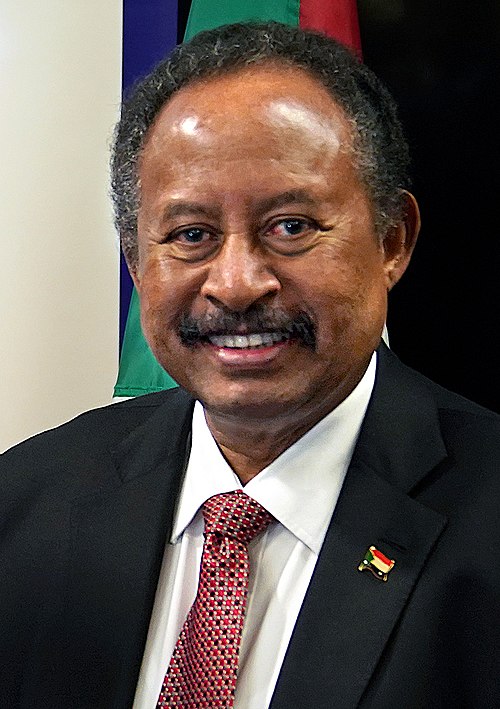
Abdalla Hamdok
Ex-Prime Minister • Sudan
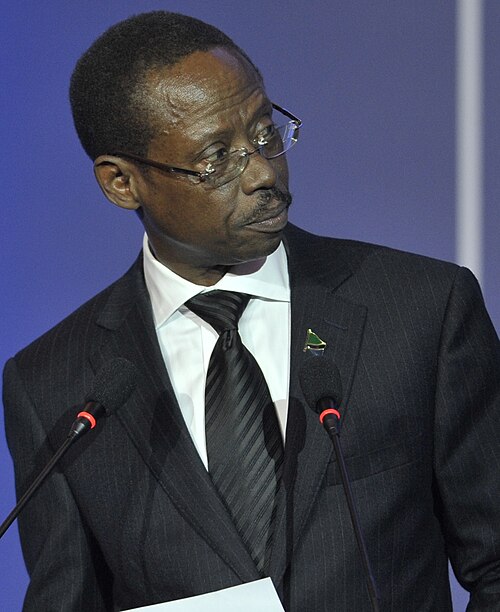
Abdallah Kigoda
Ex-Minister of Natural Resources • Tanzania