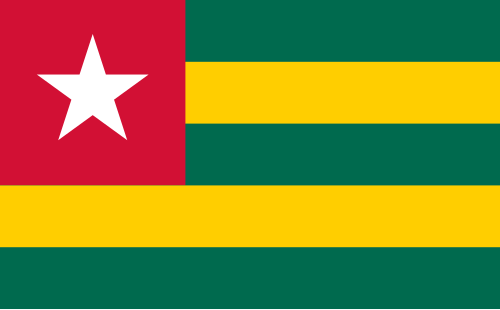
$10M
Estimated Net Worth
As of 2024 • low confidence
Financial Breakdown
Asset Distribution
Assets vs Liabilities
Assets
Liabilities
Disclaimer: These financial estimates are based on publicly available information and should be considered approximate. Last updated: 12/31/2025
Biography
In the pantheon of African artistic greats, Paul Ahyi† stands as a monumental figure, both literally and figuratively. A master sculptor, painter, designer, and architect, Ahyi is celebrated as one of the most influential artists to emerge from Togo and West Africa in the 20th century. His legacy is etched into the very landscape of his nation, most famously through the iconic Independence Monument in Lomé, a symbol of national pride. Born in 1930, Paul Ahyi dedicated his life to a prolific and multidisciplinary practice that seamlessly blended traditional African aesthetics with modernist principles. His work, spanning monumental public sculptures, intricate tapestries, stained glass, ceramics, and postage stamps, played a crucial role in shaping the visual identity of post-colonial Togo. Recognized globally, Paul Ahyi† was honored as a UNESCO Artist for Peace in 2009, cementing his status as a cultural ambassador whose contributions to Arts & Culture resonate far beyond the borders of his homeland.
Early Life & Education: Forging a Creative Path
Paul Ahyi was born in 1930 in Abidjan, Côte d'Ivoire, to Togolese parents. His family later returned to their roots in Togo, where the young Ahyi's artistic sensibilities began to flourish. His innate talent was evident from an early age, prompting his family to support his creative ambitions. For his formal training, Ahyi looked beyond Africa, embarking on an educational journey that would define his eclectic style.
In the 1950s, he traveled to France, the epicenter of European modern art. He enrolled at the prestigious École nationale supérieure des beaux-arts in Paris, where he immersed himself in the rigorous study of fine arts. His curriculum was comprehensive, covering painting, sculpture, and architecture. This period was transformative; Ahyi absorbed the techniques and philosophies of Western modernism while simultaneously developing a profound desire to express a distinctly African vision. He further honed his skills at the École nationale supérieure des arts décoratifs, specializing in mural art—a discipline that would become central to his career. This unique Franco-African educational foundation equipped Paul Ahyi† with a rare technical versatility and a syncretic worldview, allowing him to later create art that was both internationally sophisticated and deeply rooted in Togolese heritage.
Career & Major Achievements: Monumental Art and National Identity
Upon returning to Togo in the early 1960s, Paul Ahyi found a nation on the cusp of a new era following its independence from France in 1960. He became instrumental in crafting the visual lexicon of the young republic. His career is a testament to the power of public art in nation-building.
The Independence Monument and Public Sculptures
Undoubtedly, his most famous work is the Monument de l'Indépendance (Independence Monument), erected in Lomé's central roundabout in 1960. This towering sculpture, depicting a man breaking free from chains, is a powerful allegory of liberation and became the definitive symbol of Togolese sovereignty. This was just the beginning. Over the decades, Paul Ahyi† populated Lomé and other Togolese cities with numerous monumental sculptures and fountains, including:
- The striking Monument aux Héros de la Lutte contre l'Apartheid in Lomé.
- The elegant Fontaine d'Agoè.
- Significant architectural contributions like the Palais des Congrès.
A Multidisciplinary Master
Paul Ahyi's genius was not confined to large-scale stone and metal. He was a prolific painter, known for vibrant canvases that explored color theory and geometric composition. His mastery extended to the "integrated arts," where he designed entire environments:
- Tapisseries (tapestries) and monumental murals adorning government buildings and banks.
- Stained glass windows for churches and public institutions, filtering light into narratives of faith and culture.
- Ceramic works and functional art objects.
- Postage stamp designs for Togo and other African nations, bringing his art into everyday life.
International Recognition: UNESCO Artist for Peace
The global art community took note of Ahyi's contributions. In 2009, UNESCO Director-General Koïchiro Matsuura designated Paul Ahyi† as a UNESCO Artist for Peace. This prestigious honor acknowledged not only the aesthetic value of his work but also his lifelong commitment to promoting dialogue, cultural diversity, and peace through art. This recognition placed him among an elite group of international cultural figures and brought wider attention to the richness of Togolese artistry.
Personal Life, Legacy, and Philanthropy
Beyond his public persona, Paul Ahyi was described as a humble, thoughtful, and deeply spiritual man. His philosophy was rooted in the idea that art should be accessible to all and serve a social purpose—to educate, uplift, and unify. He was a devout Catholic, and his faith often informed the thematic undercurrents of his work, particularly in his sacred art pieces like stained glass.
A dedicated mentor, Ahyi was passionate about nurturing the next generation of Togolese artists. He generously shared his knowledge and advocated for arts education. His philanthropic spirit was channeled through his support for cultural initiatives and young talents. Paul Ahyi† passed away on January 4, 2010, in Lomé, leaving behind an indelible mark. His legacy is multifaceted:
- A National Treasure: He defined the aesthetic of modern Togo. His monuments are permanent fixtures in the national consciousness.
- An Artistic Bridge: He successfully synthesized European training with African themes, creating a unique transnational style.
- An Inspirational Figure: His elevation to UNESCO Artist for Peace inspired countless artists across Africa to see their work as a vehicle for global cultural dialogue.
Net Worth & Business Ventures
While specific figures regarding Paul Ahyi's net worth are not publicly documented, his financial success can be inferred from the scale and prestige of his career. As the creator of numerous high-profile public commissions funded by the Togolese state and private institutions, Ahyi undoubtedly achieved significant professional prosperity. His income streams were diversified through:
- Government Commissions: Large-scale monuments and architectural projects constituted major contracts.
- Private Sales: His paintings, smaller sculptures, and tapestries were sold to galleries, corporations, and private collectors both within Africa and internationally.
- Design Work: Commercial design projects, such as postage stamps, provided consistent revenue.
- International Recognition: His UNESCO title and global exhibitions likely increased the market value and demand for his work.
Net Worth Analysis
Paul Ahyi (1930-2010) was a renowned Togolese artist and designer, but he is not a business figure and there are no public net worth estimates. This estimate is based on the typical legacy and asset value of a celebrated national artist.
Quick Stats
Related People
Abasse Ndione
Novelist & Playwright
Abdel Rahman al-Abnudi†
Poet (Egypt-Sudan)
Abdelkrim Ghallab†
Novelist & Journalist
Abdellah Taïa
Novelist & Filmmaker