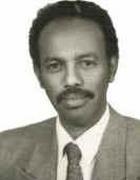
Biography
Introduction: The Architect of Eritrea's Sovereignty
Petros Solomon† stands as a monumental figure in the modern history of Eritrea. Renowned as a senior EPLF Leader & Ex-Minister, his life's work was inextricably linked to the nation's three-decade struggle for independence and its tumultuous first decade of sovereignty. As a founding member and military strategist of the Eritrean People's Liberation Front (EPLF), Petros Solomon played a decisive role in crafting the military and political victory that culminated in Eritrea's independence in 1991. Following liberation, he transitioned into governance, holding pivotal ministerial portfolios including Foreign Affairs and Fisheries. However, his legacy is profoundly shaped by his later years, as one of the G-15 reformers whose detention in 2001 cast a long shadow over the nation's Politics & Government. The story of Petros Solomon is, in many ways, the story of Eritrea's highest hopes and its most challenging political trials.
Early Life & Education: Forging a Revolutionary
Petros Solomon was born in 1951 in Asmara, then under British administration and later federation with Ethiopia. Growing up in the capital during a period of rising Eritrean nationalist sentiment and increasing Ethiopian encroachment, he was acutely aware of the political tensions shaping his homeland. His early education in Asmara laid the groundwork for a keen intellect that would later be applied to revolutionary strategy.
For his university studies, Petros Solomon attended Addis Ababa University in the early 1970s. This was a hotbed of political activism, where he, like many other Eritrean students, became radicalized against Emperor Haile Selassie's regime and its negation of Eritrea's federal rights. It was during this formative period that he made the fateful decision to abandon his academic pursuits and join the armed struggle for independence. In 1974, he left the university and traveled to the Sahel region of Eritrea to join the ranks of the Eritrean People's Liberation Front (EPLF). This choice marked the definitive beginning of his lifelong commitment to Eritrea's cause, transforming him from a student into a soldier and strategist.
Career & Major Achievements: From Battlefield to Cabinet
The career of Petros Solomon† can be divided into two distinct but connected phases: his military leadership within the EPLF and his ministerial service in the post-independence government.
Military Leadership in the EPLF
Within the EPLF, Petros Solomon quickly rose through the ranks due to his strategic acumen and dedication. He became a member of the EPLF's Central Committee and, critically, served as the head of the Front's Military Intelligence and Security apparatus. In this vital role, he was responsible for gathering intelligence on Ethiopian forces, counter-espionage, and ensuring the internal security of the liberation movement. His work was crucial to the EPLF's remarkable military successes, including the historic victory at the Battle of Afabet in 1988, which turned the tide of the war. By the time the EPLF marched into Asmara in May 1991, Petros Solomon was recognized as one of the most influential and capable leaders of the revolution.
Ministerial Service in Independent Eritrea
With independence achieved, Petros Solomon seamlessly transitioned to state-building. He was appointed as Eritrea's first Minister of Foreign Affairs in 1993, a position he held until 1997. In this role, he was the primary architect of Eritrea's early foreign policy, navigating complex regional relationships and representing the new nation on the world stage. Following this, he served as Minister of Fisheries and later as Minister of Marine Resources, focusing on developing Eritrea's economic potential from the Red Sea.
His most notable cabinet position, however, was his appointment as Minister of Defense in 2000, during the bloody border war with Ethiopia (1998-2000). He was a key figure in directing Eritrea's war effort during this devastating conflict.
The G-15 and Political Dissent
The most defining and tragic chapter of Petros Solomon's political career began in 2001. Along with fourteen other senior government and party officials—collectively known as the G-15—he openly criticized President Isaias Afwerki's authoritarian governance. They called for democratic reforms, the implementation of the ratified constitution, and a leadership accountable to the people and the party's congress. In a dramatic crackdown in September 2001, all members of the G-15 were arrested. Petros Solomon and his colleagues were detained incommunicado, without charge or trial. His status as a revered liberation hero did not shield him from this fate, marking a stark turning point in Eritrea's post-independence trajectory and cementing his legacy as a symbol of suppressed reform.
Personal Life & Legacy: The Unfinished Journey
Details of Petros Solomon's personal life were largely kept private, as was common among the austere EPLF leadership. His life was dedicated to the national struggle and subsequent governance. He was married and had children. His legacy is complex and dualistic. On one hand, he is remembered as a war hero and a foundational builder of the Eritrean state, a man who sacrificed his youth for his nation's freedom. His contributions to the military success of the EPLF and his service in key ministerial roles are indelible parts of Eritrean history.
On the other hand, Petros Solomon† is equally remembered as the most prominent figure among the imprisoned G-15. His detention for nearly two decades, until his reported death in custody, transformed him into a potent symbol of the struggle for democracy, rule of law, and political reform in Eritrea. International human rights organizations, including Amnesty International and Human Rights Watch, consistently listed him as a prisoner of conscience. His unresolved fate represents the unfinished promises of the liberation era—a transition from liberation to genuine freedom and accountable Politics & Government. His story continues to resonate deeply within the Eritrean diaspora and among advocates for human rights in the Horn of Africa.
Net Worth & Business Ventures
As a lifelong revolutionary and public servant within a movement and government that espoused a doctrine of austerity and collective sacrifice, Petros Solomon was not associated with personal business ventures or the accumulation of private wealth. The EPLF's culture and the post-independence government's structure did not foster individual financial entrepreneurship among its top leaders in the manner seen in other political contexts. His "capital" was his political and military stature within the nation. Therefore, there is no credible information or public record suggesting a personal net worth or private commercial interests for Petros Solomon. His economic impact was channeled entirely through his public roles in developing state institutions and national resources, such as the fisheries and marine sectors he oversaw. Any discussion of assets or wealth in relation to his life would be speculative and contrary to the known narrative of his commitment to public service.
Frequently Asked Questions
What is Petros Solomon†'s estimated net worth?
Net worth details for Petros Solomon† are currently being updated.
What is Petros Solomon†'s role and nationality?
Petros Solomon† is a EPLF Leader & Ex-Minister from Eritrea.
How did Petros Solomon† make their money?
Petros Solomon† built their fortune primarily through Petros Solomon is a former Eritrean minister and political prisoner, not a business figure; there are no public wealth estimates, and his circumstances suggest no significant personal fortune..
How old is Petros Solomon†?
Petros Solomon† was born in 1951 (75 years old).
Which category is Petros Solomon† listed under?
Petros Solomon† is featured under the Politics & Government category on NetWorth Africa.
How is Petros Solomon†'s net worth calculated?
NetWorth Africa estimates financial valuations using publicly available stock equity holdings, company ownership records, real estate assets, and verified market data.
Net Worth Analysis
Petros Solomon is a former Eritrean minister and political prisoner, not a business figure; there are no public wealth estimates, and his circumstances suggest no significant personal fortune.
Quick Stats
Related People
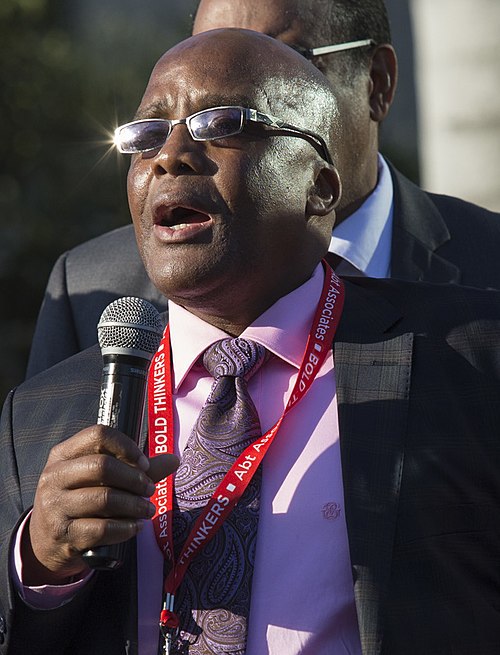
Aaron Motsoaledi
LP; Minister of Home Affairs • South Africa
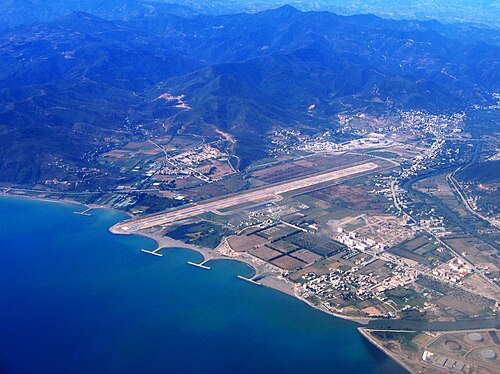
Abane Ramdane†
FLN Leader & Strategist • Algeria
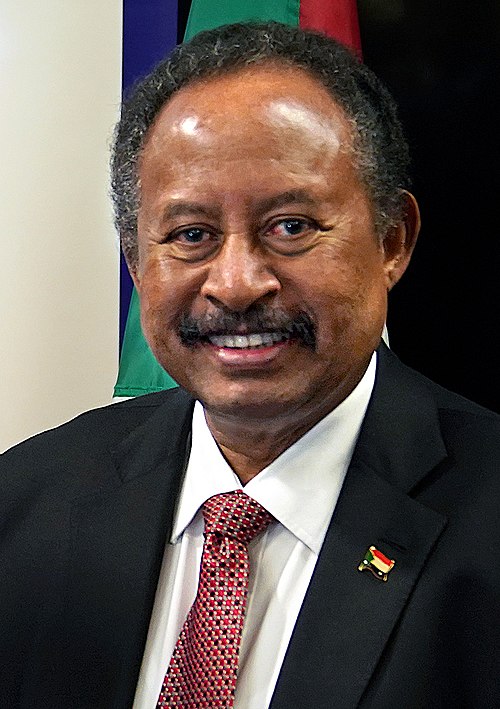
Abdalla Hamdok
Ex-Prime Minister • Sudan
Abdallah Kigoda
Ex-Minister of Natural Resources • Tanzania