Biography
Introduction: The Father of Malagasy Independence
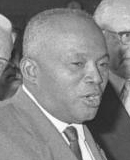
Philibert Tsiranana† stands as a monumental figure in the modern history of Madagascar. Serving as the nation's First President from 1959 to 1972, he was the principal architect who guided the Great Island from French colonial rule to full sovereignty. His political philosophy, often summarized as "malgachisation dans la francophonie" (Malagasy-ization within the French-speaking world), sought a middle path between preserving cultural identity and maintaining strong ties with France. As a key leader in the Independence Era, Tsiranana's presidency established the foundational institutions of the Malagasy Republic, but his pro-French policies and centralized rule eventually led to widespread social unrest. This biography explores the life, achievements, and complex legacy of the man known as "The Father of Independence."
Early Life & Education: From Humble Beginnings to Teacher
Philibert Tsiranana was born on October 18, 1912, in the village of Ambarikorano, in the Mahajanga province of northwestern Madagascar. He was born into the Tsimihety ethnic group, a people known for their fierce independence and egalitarian social structure, values that would subtly influence his later political outlook. His early life was rooted in rural Madagascar; his father was a peasant and cattle herder. Demonstrating academic promise, the young Tsiranana attended a local Protestant mission school before advancing to the Le Myre de Vilers normal school in Tananarive (now Antananarivo), which trained indigenous teachers and mid-level functionaries.
Graduating as a schoolteacher in 1930, Tsiranana taught in regional schools for several years. His talents were recognized, and in 1945 he was selected for further training in France at the École Normale d'Instituteurs in Montpellier. This experience was transformative, immersing him in French political culture and social democracy. He obtained the prestigious Certificat d'aptitude pédagogique and became one of the few highly educated Malagasy of his generation. These formative years shaped his belief in gradual reform and cooperation with France, rather than radical revolution, as the best path forward for his homeland.
Career & Major Achievements: The Path to Presidency
Philibert Tsiranana's political career began upon his return to Madagascar in the late 1940s. He founded the Parti Social Démocrate (PSD) in 1956, a party that promoted moderate socialism, close ties with France, and unity among Madagascar's diverse ethnic groups. His pragmatic and conciliatory approach quickly gained support, especially in coastal provinces. In 1958, as France offered its colonies a choice between immediate independence or autonomy within the French Community, Tsiranana campaigned vigorously for autonomy. This position won, and he became President of the Provisional Government.
Architect of Independence
Tsiranana skillfully negotiated the terms of full independence. On June 26, 1960, the Malagasy Republic was proclaimed, with Philibert Tsiranana as its first President. This peaceful transition, achieved through negotiation rather than violent struggle, remains his foremost achievement. He established a constitutional system with a strong executive presidency, modeled partly on the French Fifth Republic. Under his leadership, Madagascar maintained stable diplomatic relations globally and became a founding member of the Organization of African Unity (OAU).
Policies and Growing Discontent
Tsiranana's domestic policies were a mix of economic development efforts and political consolidation. His government invested in infrastructure, education, and health. However, his administration became characterized by an increasingly authoritarian and pro-French stance. Key sectors of the economy remained under French control, and French military bases were retained. The "Malagasyization" of the civil service and education system progressed slowly, frustrating nationalist aspirations. By the late 1960s, economic stagnation, perceived corruption, and the suppression of political opposition (notably the left-wing AKFM party) fueled public dissatisfaction. The catalyst for crisis came in April 1971 with a severe peasant revolt in the south, which was brutally suppressed, tarnishing his humanitarian image.
Resignation and Final Years
The culmination of discontent was the massive student-led protests of May 1972. Facing nationwide strikes and demonstrations demanding a break from French influence and his resignation, a physically ailing Tsiranana handed power to General Gabriel Ramanantsoa on October 11, 1972. He formally resigned the presidency in 1973. After a period in France, he returned to Madagascar and was even elected as a deputy in 1974, but his political influence had waned. Philibert Tsiranana passed away on April 16, 1978, in Antananarivo.
Personal Life & Legacy: The Man and His Impact
Personally, Philibert Tsiranana was known for his affable and approachable demeanor, often seen wearing his signature white lamba (traditional shawl) and speaking in simple, direct terms. He was a devout Protestant. His legacy is profoundly dualistic. He is rightly honored as the principal founder of the independent Malagasy state, a skilled negotiator who achieved sovereignty without bloodshed. Institutions he built provided a framework for governance. However, his later years are criticized for authoritarian tendencies, economic mismanagement, and failing to sufficiently distance the new nation from its colonial master, which ultimately led to his downfall.
Historians view Tsiranana's presidency as a pivotal, if flawed, first chapter in Malagasy independence. His policy of "moderate socialism" and Francophilia defined the nation's first decade. The 1972 revolution that ousted him marked a decisive break and a turn towards more radical nationalism and socialism under Didier Ratsiraka. Today, Philibert Tsiranana† is remembered as a necessary figure of transition, whose successes and failures alike shaped the political trajectory of modern Madagascar.
Net Worth & Business Ventures
As a career politician and former schoolteacher from a modest background, Philibert Tsiranana's personal wealth was not a prominent aspect of his public life, especially in the context of Madagascar's largely agrarian economy at the time. Unlike some later leaders, there are no widely documented reports of vast personal business empires or significant private commercial ventures attributed to him. His financial context was tied to the state. However, his administration's economic policies, which favored maintaining strong French commercial interests in sectors like banking, trade, and plantations, became a major point of contention. Critics argued that these policies benefited a small elite and foreign companies rather than generating widespread national wealth. Therefore, while Tsiranana's personal net worth was likely not extraordinary, the economic direction of his government and its alignment with French capital formed a central part of the political critique against him, contributing to the popular uprising that ended his rule.
Key Facts & Timeline
- Birth: October 18, 1912, Ambarikorano, Madagascar.
- Profession: Teacher, Statesman.
- Political Party: Parti Social Démocrate (PSD).
- Major Achievement: Led Madagascar to peaceful independence from France on June 26, 1960.
- Presidency: First President of the Malagasy Republic (1959-1972).
- Resignation: Stepped down in October 1972 following mass protests.
- Death: April 16, 1978, in Antananarivo, Madagascar.
- Nickname: "The Father of Independence."
For further reading on the Independence Era in Madagascar and the role of Philibert Tsiranana†, credible historical archives and academic publications on post-colonial African Politics & Government are recommended sources.
Frequently Asked Questions
What is Philibert Tsiranana†'s estimated net worth?
Net worth details for Philibert Tsiranana† are currently being updated.
What is Philibert Tsiranana†'s role and nationality?
Philibert Tsiranana† is a First President from Madagascar.
How did Philibert Tsiranana† make their money?
Philibert Tsiranana† built their fortune primarily through Philibert Tsiranana was a political figure, not a businessperson, and served as President from 1960-1972. He died in 1978 and there are no credible reports of significant personal wealth accumulation..
How old is Philibert Tsiranana†?
Philibert Tsiranana† was born in 1912 (114 years old).
Which category is Philibert Tsiranana† listed under?
Philibert Tsiranana† is featured under the Politics & Government category on NetWorth Africa.
How is Philibert Tsiranana†'s net worth calculated?
NetWorth Africa estimates financial valuations using publicly available stock equity holdings, company ownership records, real estate assets, and verified market data.
Net Worth Analysis
Philibert Tsiranana was a political figure, not a businessperson, and served as President from 1960-1972. He died in 1978 and there are no credible reports of significant personal wealth accumulation.
Quick Stats
Related People
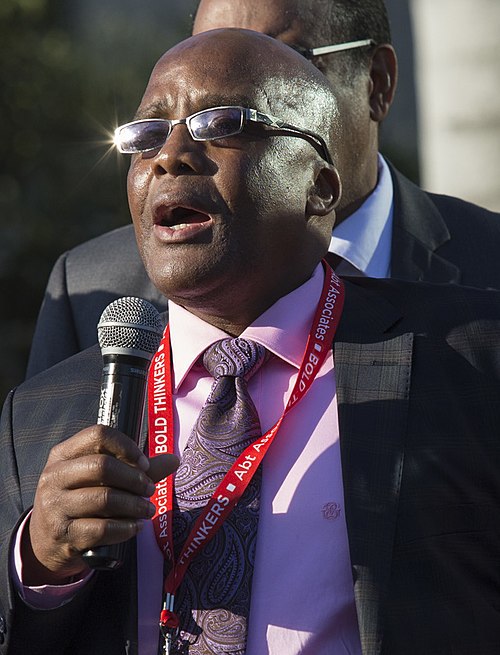
Aaron Motsoaledi
LP; Minister of Home Affairs • South Africa
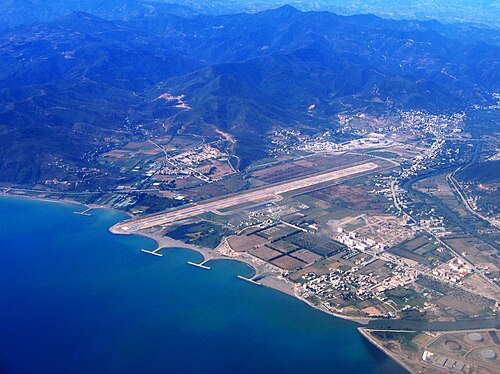
Abane Ramdane†
FLN Leader & Strategist • Algeria
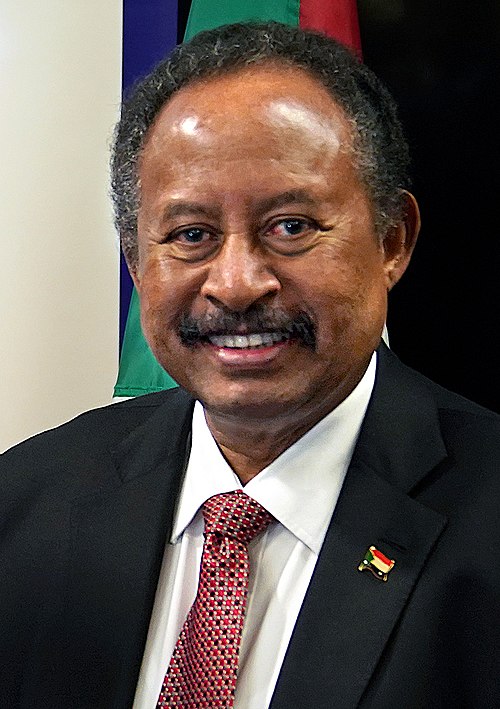
Abdalla Hamdok
Ex-Prime Minister • Sudan
Abdallah Kigoda
Ex-Minister of Natural Resources • Tanzania