Financial Breakdown
Asset Distribution
Assets vs Liabilities
Assets
Disclaimer: These financial estimates are based on publicly available information and should be considered approximate. Last updated: 12/31/2025
Biography
Introduction: The Poet of Diaspora and Resilience
Ribka Sibhatu is a distinguished poet, writer, and cultural mediator whose powerful voice has carved a unique space in contemporary European and African literature. Born in Eritrea and making her creative home in Italy, Sibhatu's work is a profound exploration of identity, exile, memory, and the resilience of women. She is notable for being one of the most prominent literary figures representing the Eritrean diaspora, using her bilingual prowess in Tigrinya and Italian to bridge cultures and give voice to the often-silenced narratives of migration. A key achievement of Ribka Sibhatu is her groundbreaking collection Aulò: Canto-Poesia dall'Eritrea (1993), which stands as one of the first published literary works by an Eritrean woman in Italy. Her career transcends pure poetry, encompassing activism, translation, and cultural anthropology, making her a pivotal figure in the Arts & Culture landscape.
Early Life & Education: Roots and Revolution
Ribka Sibhatu was born in 1962 in Asmara, Eritrea, a nation then embroiled in a long and brutal struggle for independence from Ethiopia. Her formative years were deeply marked by the socio-political turmoil of the Eritrean War of Independence. This environment of conflict and resistance shaped her worldview and later became a central theme in her literary work. From a young age, Sibhatu was immersed in the rich oral traditions of her homeland—the stories, proverbs, and songs of the Tigrinya people—which would fundamentally influence her poetic style, characterized by rhythmic, chant-like qualities.
Her pursuit of education was both a personal passion and a political act. She attended school in Asmara, demonstrating early academic promise. However, her outspoken nature and political consciousness led to friction with the occupying Ethiopian authorities. In the late 1970s, as the conflict intensified, Ribka Sibhatu made the difficult decision to flee her homeland. This journey into exile was a defining experience, leading her through Sudan before she eventually sought and obtained political asylum in Italy in the 1980s. In Italy, she continued her education, focusing on linguistics and cultural mediation, tools she would masterfully employ to navigate and translate her experiences between two worlds.
Career & Major Achievements: From "Aulò" to Cultural Mediation
The career of Ribka Sibhatu is a multifaceted tapestry woven from poetry, activism, and scholarly work. Her literary debut in 1993, Aulò: Canto-Poesia dall'Eritrea, was a landmark event. The book, whose title refers to a traditional Tigrinya oral genre of sung poetry, brilliantly fused the ancient "aulò" form with contemporary themes of diaspora and feminism. It presented poems in Tigrinya alongside Italian translations, often accompanied by explanatory notes on Eritrean culture. This work did not just introduce Italian readers to Eritrean poetry; it asserted the validity and sophistication of an African oral literary tradition within the European literary canon.
Literary and Academic Contributions
Following Aulò, Sibhatu's output expanded across genres. She published short stories and essays that further delved into the lives of immigrant women, exploring themes of labor, family, and cultural clash in Italy. Her work is consistently characterized by a strong ethnographic eye, documenting customs and social realities. As a translator, she has played a crucial role in making Eritrean literature accessible, including translating the works of other Eritrean writers into Italian. Academically, Ribka Sibhatu has collaborated with universities and cultural institutes, lecturing on migration, oral literature, and intercultural dialogue. Her research often focuses on the Tigrinya language and the preservation of Eritrean intangible cultural heritage in the diaspora.
Activism and Public Engagement
Beyond the page, Ribka Sibhatu's career is defined by active public engagement. She has worked tirelessly as a cultural mediator, facilitating understanding between Italy's institutions and its growing immigrant communities. Her advocacy, particularly for the rights and visibility of African women, is integral to her identity as a poet. She frequently participates in international literary festivals, workshops, and panels, using these platforms to speak on issues of exile, post-colonialism, and peace. Her voice serves as a critical counter-narrative to simplistic portrayals of migration, offering instead complex, human-centered stories rooted in specific historical and cultural contexts.
Personal Life & Legacy: Weaving a Tapestry of Memory
While Ribka Sibhatu maintains a degree of privacy regarding her personal life, it is clear that her roles as a mother and a member of the transnational Eritrean community deeply inform her writing. Her personal interests are inextricably linked to her professional passions: the preservation of language, the collection of oral histories, and the culinary traditions of her homeland, which she sees as another form of cultural poetry. Living between cultures, she embodies the "in-between" space that so many diasporic individuals inhabit, turning it into a source of creative strength rather than fragmentation.
The legacy of Ribka Sibhatu is profound and multi-layered. She is a pioneer who opened doors for a generation of migrant writers in Italy, proving that stories from Eritrea and beyond are vital to the national conversation. Her innovative fusion of the oral "aulò" tradition with written poetry has enriched Italian Literature and expanded definitions of poetic form. As a cultural mediator, she has built tangible bridges of understanding. Her lasting impact lies in her unwavering commitment to documenting and celebrating Eritrean culture while simultaneously engaging in a critical, constructive dialogue with her adopted Italian society. She leaves a body of work that stands as a testament to memory, resistance, and the unifying power of shared narrative.
Net Worth & Business: The Value of Cultural Capital
As with many poets and literary figures operating within the sphere of Arts & Culture, precise details regarding Ribka Sibhatu's net worth are not publicly disclosed and are not the primary measure of her success. Her financial sustenance likely derives from a combination of sources typical for a published author, academic, and cultural consultant. These include:
- Book royalties from her published poetry and prose collections.
- Honoraria for public readings, lectures, and participation in literary festivals.
- Fees for academic collaborations, workshops, and translation projects.
- Grants from cultural foundations supporting literary and intercultural work.
Rather than traditional business ventures, Ribka Sibhatu's "enterprise" is the cultivation of cultural capital. Her work in preserving and promoting Eritrean language and heritage, both in Italy and internationally, represents an invaluable contribution that transcends monetary value. Her primary "business" is the business of memory, translation, and advocacy, ensuring the rich cultural tapestry of Eritrea remains vibrant for future generations. In this sense, her wealth is measured in her influential literary output, her role as a mentor and pathfinder, and her enduring impact on two nations' cultural landscapes.
Frequently Asked Questions
What is Ribka Sibhatu's estimated net worth?
Ribka Sibhatu has an estimated net worth of $1.0 Million.
What is Ribka Sibhatu's role and nationality?
Ribka Sibhatu is a Poet (Italy-Eritrea) from Eritrea.
How did Ribka Sibhatu make their money?
Ribka Sibhatu built their fortune primarily through Ribka Sibhatu is a respected poet, writer, and activist, not a business figure; her wealth is derived from literary work and cultural advocacy, not corporate assets, placing her in the millionaire range at most..
How old is Ribka Sibhatu?
Ribka Sibhatu was born in 1962 (64 years old).
Which category is Ribka Sibhatu listed under?
Ribka Sibhatu is featured under the Arts & Culture category on NetWorth Africa.
How is Ribka Sibhatu's net worth calculated?
NetWorth Africa estimates financial valuations using publicly available stock equity holdings, company ownership records, real estate assets, and verified market data.
Net Worth Analysis
Ribka Sibhatu is a respected poet, writer, and activist, not a business figure; her wealth is derived from literary work and cultural advocacy, not corporate assets, placing her in the millionaire range at most.
Quick Stats

Related People
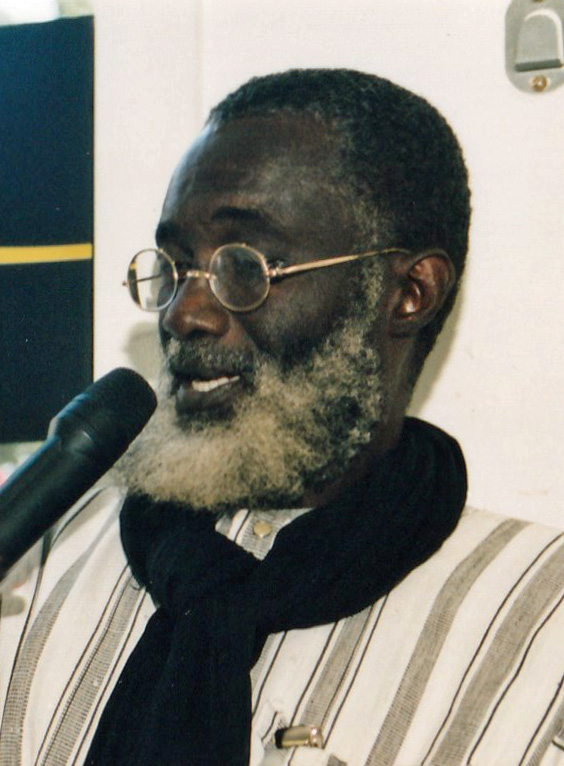
Abasse Ndione
Novelist & Playwright • Senegal
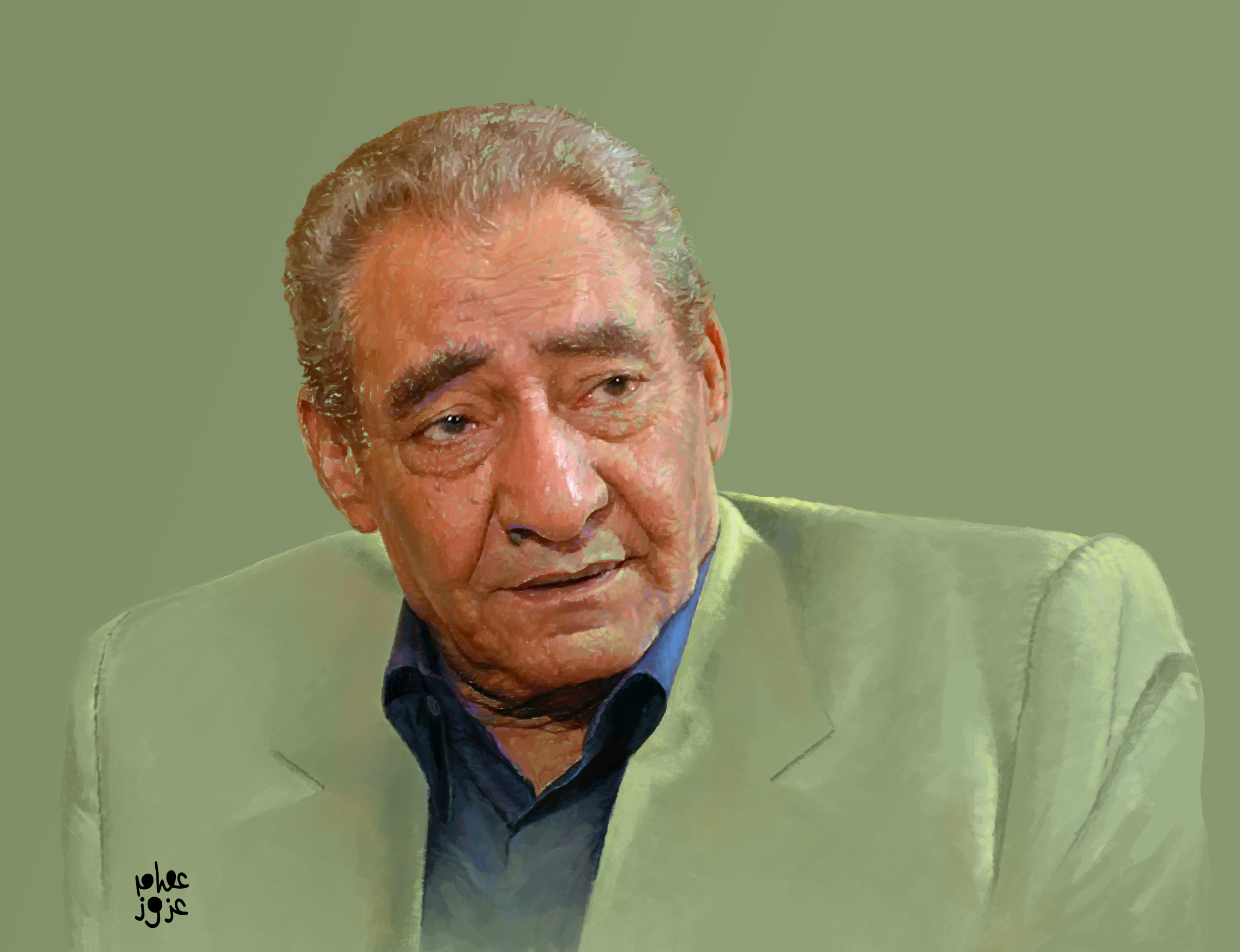
Abdel Rahman al-Abnudi†
Poet (Egypt-Sudan) • Sudan
Abdelkrim Ghallab†
Novelist & Journalist • Morocco
Abdellah Taïa
Novelist & Filmmaker • Morocco