$20M
Estimated Net Worth
As of 2024 • low confidence
Financial Breakdown
Asset Distribution
Assets vs Liabilities
Assets
Disclaimer: These financial estimates are based on publicly available information and should be considered approximate. Last updated: 12/29/2025
Biography
Introduction: The Leader of the World's Newest Nation
Salva Kiir Mayardit stands as a defining figure in modern African history, recognized globally as the first President of South Sudan. His leadership journey is inextricably linked to the long and painful struggle for the independence of his people, culminating in the birth of the Republic of South Sudan on July 9, 2011. A veteran of the Sudanese civil wars, Kiir transitioned from a military commander in the bush to the head of state of a sovereign nation. His most notable achievement is steering the region to its hard-won independence through a historic referendum, where an overwhelming 98.83% of South Sudanese voted to secede from Sudan. As the executive head of state, Salva Kiir Mayardit's tenure has been marked by the immense challenges of nation-building, internal conflict, and the pursuit of peace and stability for the people of South Sudan.
Early Life & Education: Forged in Conflict
Salva Kiir Mayardit was born in 1951 in Akon, a village in the Bahr el Ghazal region of what was then Anglo-Egyptian Sudan. He hails from the Dinka ethnic group, specifically the Bahr el Ghazal clan. Unlike many contemporary African leaders, Kiir's formal education was limited and interrupted by the escalating tensions that would define his life. He attended primary school in his home region but did not pursue higher academic studies. Instead, his formative years were shaped by the First Sudanese Civil War (1955-1972).
The political and military awakening of Salva Kiir Mayardit began early. In the late 1960s, he joined the Anyanya rebellion, the southern separatist movement fighting against the Khartoum government. This initial experience in guerrilla warfare provided his foundational military training. Following the Addis Ababa Agreement of 1972, which granted the south a degree of autonomy, Kiir was integrated into the Sudanese Armed Forces. However, the abrogation of the agreement and the imposition of sharia law by President Gaafar Nimeiry in 1983 reignited conflict, prompting Kiir to defect. Alongside fellow commander John Garang, he became a founding member of the Sudan People's Liberation Movement/Army (SPLM/A), marking the start of the Second Sudanese Civil War—a conflict that would last 22 years and shape the destiny of the south.
Career & Major Achievements: From Rebel Commander to Head of State
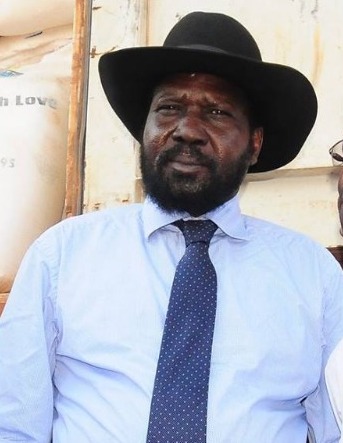
The career of Salva Kiir Mayardit is a chronicle of South Sudan's struggle for self-determination. Within the SPLM/A, he rose to become a senior military commander and a close deputy to Chairman John Garang. Known for his military discipline and trademark black cowboy hat—a gift from U.S. President George W. Bush—Kiir commanded respect among the troops. His role was primarily military, overseeing operations and building the rebel army's capabilities.
The Path to Independence
A pivotal moment arrived in July 2005 with the sudden death of John Garang in a helicopter crash. Salva Kiir Mayardit succeeded him as both the Chairman of the SPLM and First Vice President of Sudan, as stipulated by the Comprehensive Peace Agreement (CPA) signed earlier that year. This agreement ended the civil war and granted Southern Sudan autonomy for six years, to be followed by an independence referendum. Kiir's steady, less ideological leadership style was crucial in maintaining the cohesion of the SPLM during this fragile interim period. He successfully navigated complex power-sharing arrangements with Sudanese President Omar al-Bashir in Khartoum.
His crowning political achievement came in January 2011, when he led the Government of Southern Sudan through the internationally monitored referendum. The resounding vote for secession paved the way for formal independence. On July 9, 2011, Salva Kiir Mayardit was sworn in as the first President of South Sudan. In his inaugural address, he famously declared, "We have to forgive, although we will not forget," emphasizing reconciliation and the monumental task of building a new nation from scratch.
Presidency and Ongoing Challenges
The presidency of Salva Kiir has been dominated by severe internal crises. In December 2013, political tensions within the ruling SPLM erupted into a full-scale civil conflict, primarily between forces loyal to Kiir and those aligned with his former vice president, Riek Machar. The conflict, marked by extreme violence and humanitarian catastrophe, overshadowed the early years of independence. Key milestones in his presidential career include:
- Signing multiple, often broken, ceasefire and peace agreements, most notably the Revitalized Agreement on the Resolution of the Conflict in South Sudan (R-ARCSS) in September 2018.
- Overseeing the formation of a Revitalized Transitional Government of National Unity (R-TGoNU) in February 2020, with Machar returning as First Vice President.
- Managing a protracted transition period aimed at culminating in democratic elections, repeatedly delayed due to security and logistical challenges.
- Navigating complex international relations, maintaining ties with regional neighbors in the Intergovernmental Authority on Development (IGAD), and engaging with the United Nations and donor countries.
Personal Life & Legacy: The Man Behind the Hat
Salva Kiir Mayardit is known for a reserved and stoic public persona, a contrast to the more charismatic style of his predecessor. His iconic black cowboy hat has become a national symbol, representing his identity as a military man of the people. He is a polygamist and father to many children, which is culturally customary among the Dinka. Details of his personal interests are kept private, as his life has been overwhelmingly consumed by public service and conflict.
The legacy of Salva Kiir is complex and still being written. He will forever be remembered as the President of South Sudan who led the country to independence, fulfilling the long-held aspirations of millions. His signature hat is etched into the iconography of the nation's birth. However, his legacy is also deeply intertwined with the devastating civil war that began in 2013, which occurred under his watch and raised serious questions about governance, ethnic inclusivity, and the use of power. His lasting impact will be judged by his ability, in his remaining time in office, to consolidate a lasting peace, ensure a peaceful transfer of power through credible elections, and set South Sudan on a firmer path toward stability and development.
Net Worth & Business Ventures
As with many sitting heads of state, the precise net worth of Salva Kiir Mayardit is not publicly verifiable and is a subject of much speculation and controversy. South Sudan's economy is heavily dependent on oil revenues, and the country has struggled with systemic corruption and a lack of financial transparency since independence. While Kiir has publicly denounced corruption within his government, international watchdogs and the United Nations have frequently cited high-level embezzlement of state funds as a major obstacle to the nation's development. There are no documented, legitimate private business ventures attributed to President Kiir; his income is ostensibly derived from his official state salary. Discussions about the wealth of South Sudan's political elite often center on the control of oil resources and state budgets rather than on traditional private-sector business activities. The focus remains on the governance of national resources for the benefit of all South Sudanese citizens.
Net Worth Analysis
No credible public net worth estimate exists; as a long-term public official in a poor, conflict-affected country, wealth is likely derived from political position rather than business, but exact figures are undisclosed.
Quick Stats
Related People
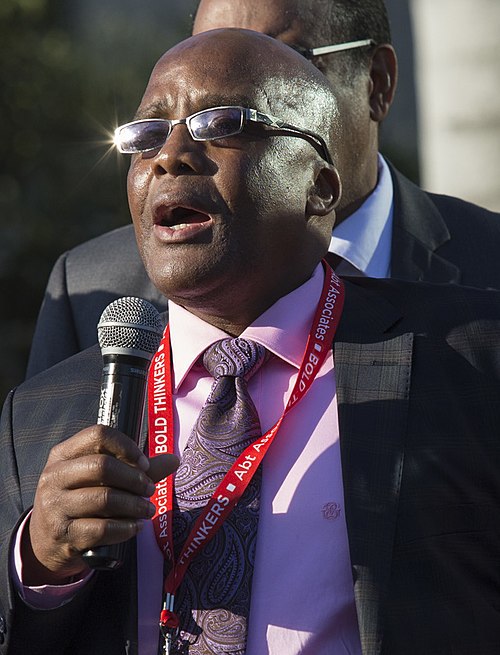
Aaron Motsoaledi
LP; Minister of Home Affairs
Abane Ramdane†
FLN Leader & Strategist
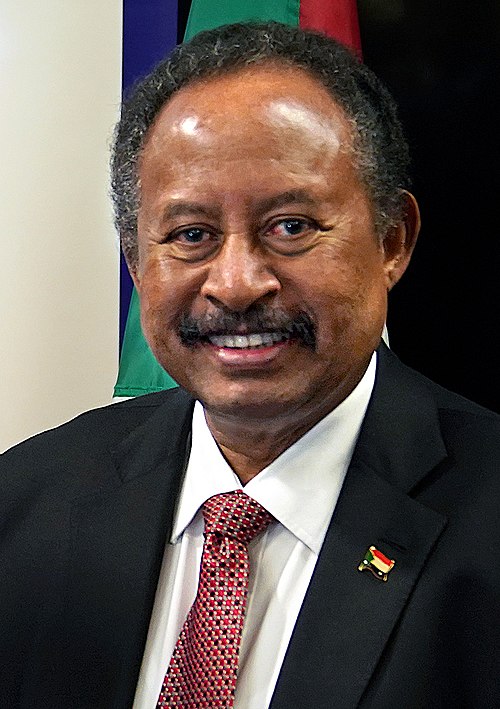
Abdalla Hamdok
Ex-Prime Minister
Abdallah Kigoda
Ex-Minister of Natural Resources