Biography
Introduction: The Unyielding Voice in Exile
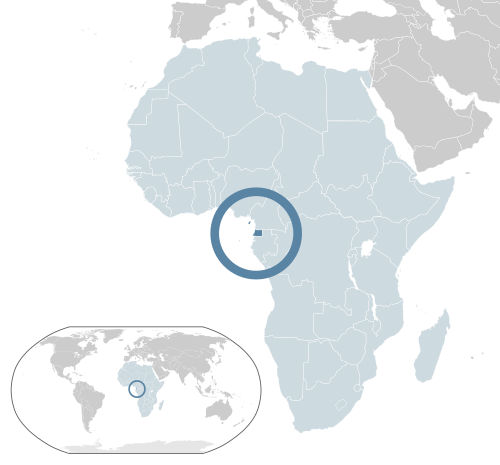
In the landscape of Politics & Government in Central Africa, few figures embody the protracted struggle for democratic change as persistently as Severo Moto. Born in 1943, Moto has become synonymous with the opposition movement against the long-ruling regime of President Teodoro Obiang Nguema Mbasogo in Equatorial Guinea. For decades, his name has represented an alternative vision for the oil-rich nation, one rooted in democratic principles and the rule of law. His key achievement, and indeed his defining condition, is his sustained leadership of the opposition from abroad, having been forced into a life of exile. As the founder and president of the Progress Party of Equatorial Guinea (PPGE), Severo Moto has navigated assassination attempts, international intrigue, and multiple convictions in absentia to remain a pivotal, albeit controversial, figure in his country's political narrative.
Early Life & Education: Formative Years in Colonial Guinea
Severo Moto Nsá was born on February 5, 1943, in what was then Spanish Guinea. His early years were shaped under the colonial administration of Francisco Franco's Spain. Unlike many of his contemporaries, Moto pursued a path of higher education and intellectual development. He attended the University of Barcelona, where he studied Journalism. This academic background in communication and media would later prove crucial in his efforts to build an international profile for his country's plight.
His formative experiences were deeply influenced by the waning years of Spanish colonial rule and the tumultuous transition to independence in 1968. The early post-independence period, marked by the brutal dictatorship of Francisco Macías Nguema (the uncle of the current president), set the stage for Moto's political awakening. Witnessing the repression, economic collapse, and human rights atrocities of the Macías era instilled in him a desire for a different political future for Equatorial Guinea. After Macías was overthrown in a 1979 coup led by his nephew Teodoro Obiang, Moto initially served in the new government, holding a position as Director of the Official State Gazette. However, the promise of reform quickly faded as Obiang consolidated his own authoritarian rule, leading Moto down a path of dissent.
Career & Major Achievements: From Government Insider to Exiled Opposition Leader
Severo Moto's political career is a chronicle of resistance, exile, and relentless campaigning. His break with the Obiang regime came in the early 1980s. In 1983, he founded the Progress Party of Equatorial Guinea (PPGE), positioning it as a liberal, democratic alternative to the ruling Democratic Party of Equatorial Guinea (PDGE). The establishment of a formal opposition party was a bold act in a climate of intense political repression, and it quickly made Moto a target.
Life in Exile and the Struggle for International Recognition
Forced to flee the country in the 1980s, Severo Moto established his base of operations in Madrid, Spain. From there, he began the arduous task of building an opposition movement in exile. His major achievements are largely diplomatic and symbolic. He has tirelessly worked to bring international attention to the human rights abuses and lack of political freedoms in Equatorial Guinea, lobbying European governments and international bodies. A significant, though ultimately unsuccessful, aspect of his career involved several alleged attempts to catalyze the overthrow of the Obiang regime. These plots, often involving mercenary groups, led to his conviction in absentia by Equatorial Guinean courts on multiple charges, including treason and "attacks against the Head of State."
One of the most notable incidents occurred in 2004, when a group of alleged mercenaries was arrested in Zimbabwe while reportedly on a mission to install Moto as president. This event highlighted the shadowy and high-stakes nature of his exile struggle. Despite these controversies, Moto has maintained his political activities. In 2003, he declared himself "President of the Government of Equatorial Guinea in exile," a symbolic title he has used to confer legitimacy on his movement abroad. His party, the PPGE, remains a member of the Liberal International, giving his platform a degree of recognition within global political networks.
Political Platform and Enduring Influence
The core of Severo Moto's political platform has consistently focused on:
- The establishment of a multi-party democracy and the rule of law.
- Free and fair elections under international supervision.
- Respect for human rights and the release of political prisoners.
- Transparent management of the country's vast oil and gas wealth for the benefit of all citizens.
Personal Life & Legacy: The Man Behind the Political Struggle
Details about Severo Moto's personal life are guarded, a necessity shaped by decades of living under threat. His life in Madrid has been that of a full-time political activist in exile, dedicating his days to organizing, writing, and lobbying. His personal interests are largely overshadowed by his political mission. The legacy of Severo Moto is complex and dualistic. To his supporters, he is a courageous democrat and a martyr figure who has sacrificed everything—his homeland, his safety, and decades of his life—to challenge one of Africa's most entrenched dictatorships. He is seen as the standard-bearer for a democratic alternative that has yet to be realized.
To his detractors, including the government in Malabo, he is a fugitive and a conspirator. The regime's media routinely portrays him as a criminal and a puppet of foreign interests. Internationally, opinions are mixed; some view him as a genuine pro-democracy activist, while others are skeptical of the methods allegedly associated with his campaigns. Regardless of perspective, his enduring legacy is that of a permanent counterpoint to the Obiang regime. He has ensured that, for over 40 years, the narrative of a unified, uncontested political landscape in Equatorial Guinea is challenged by a voice from outside, keeping the idea of political alternation alive in the international discourse.
Net Worth & Business Ventures
Assessing the net worth of a political exile like Severo Moto is inherently difficult and speculative. Unlike the ruling elite in Equatorial Guinea, whose wealth from oil revenues is documented by organizations like Global Witness and Transparency International, Moto's financial situation is not a matter of public record. He is not known to have significant business ventures or commercial interests. His financial sustenance is believed to come primarily from contributions and support within the exile community and potentially from political sympathizers. His life's work has been political activism, not wealth accumulation. Therefore, any discussion of his net worth is largely irrelevant to his biography, as his "capital" is political and symbolic rather than financial. His resources are dedicated to maintaining the organizational structure of his party in exile and advocating for political change in his homeland.
For further information on the political context of Severo Moto's struggle, credible sources include reports by Human Rights Watch and Amnesty International on Equatorial Guinea, as well as historical archives from Spanish media detailing the exile community.
Frequently Asked Questions
What is Severo Moto's estimated net worth?
Severo Moto has an estimated net worth of R 81.0 Million.
What is Severo Moto's role and nationality?
Severo Moto is a Opposition Leader in Exile from Equatorial Guinea.
How did Severo Moto make their money?
Severo Moto built their fortune primarily through As a long-term political exile and opposition figure from Equatorial Guinea, Severo Moto does not have significant business interests or known wealth; his profile is political, not financial..
How old is Severo Moto?
Severo Moto was born in 1943 (83 years old).
Which category is Severo Moto listed under?
Severo Moto is featured under the Politics & Government category on NetWorth Africa.
How is Severo Moto's net worth calculated?
NetWorth Africa estimates financial valuations using publicly available stock equity holdings, company ownership records, real estate assets, and verified market data.
Net Worth Analysis
As a long-term political exile and opposition figure from Equatorial Guinea, Severo Moto does not have significant business interests or known wealth; his profile is political, not financial.
Quick Stats
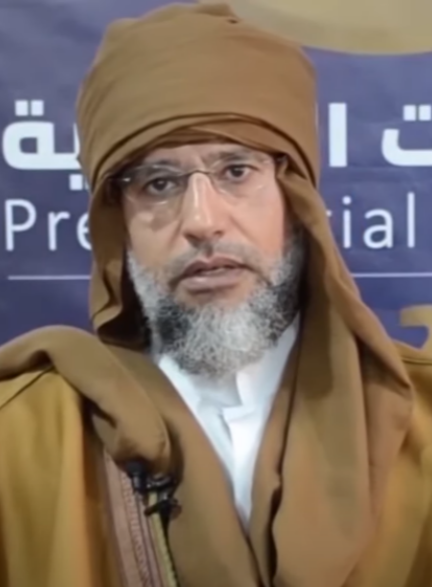
Related People
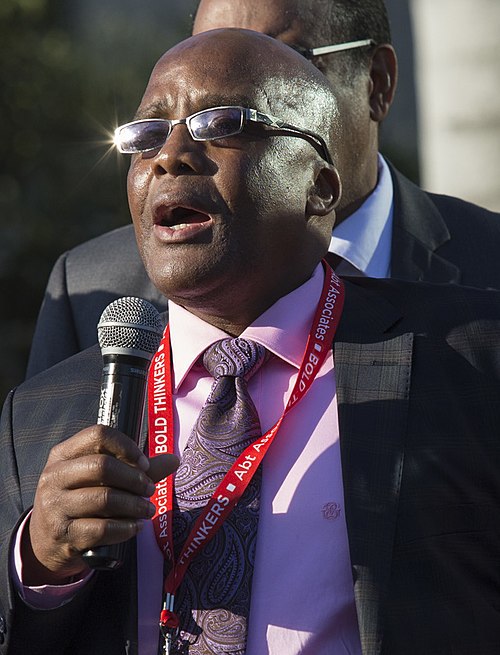
Aaron Motsoaledi
LP; Minister of Home Affairs • South Africa
Abane Ramdane†
FLN Leader & Strategist • Algeria
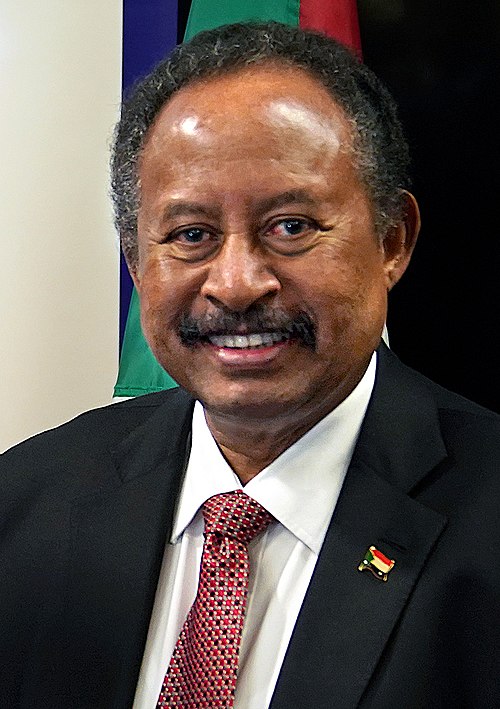
Abdalla Hamdok
Ex-Prime Minister • Sudan
Abdallah Kigoda
Ex-Minister of Natural Resources • Tanzania