Financial Breakdown
Asset Distribution
Assets vs Liabilities
Assets
Disclaimer: These financial estimates are based on publicly available information and should be considered approximate. Last updated: 12/31/2025
Biography
In the bustling heart of Bamako, Mali, between 1948 and 1962, a quiet revolution in portraiture was taking place. Through the lens of Seydou Keita†, a self-taught master, the aspirations, elegance, and identity of a nation in transition were immortalized. Today, Seydou Keita† is celebrated globally as a Legendary Photographer whose work transcends mere documentation to become a foundational pillar of modern African Arts & Culture. His black-and-white studio portraits, characterized by their exquisite composition, meticulous use of props and backdrops, and profound human dignity, offer an unparalleled visual archive of Malian society on the cusp of independence. Keita's late international discovery catapulted him from a local tradesman to an artist exhibited at the Museum of Modern Art in New York and the Victoria and Albert Museum in London, forever altering the Western canon of photography and asserting the power of the African gaze.
Early Life & Education: The Foundations of a Vision
Seydou Keita† was born in 1921 in Bamako, then part of French Sudan. His journey into photography began not in a formal academy, but through curiosity and necessity. At the age of 12, his uncle gifted him a Kodak Brownie camera, a small box camera that ignited his lifelong passion. This humble gift was the extent of his formal "education" in the craft; Seydou Keita† was entirely self-taught, learning through experimentation, observation, and a natural genius for composition.
His early professional life was as a carpenter, a trade he practiced until 1948. This skill, however, would indirectly shape his photographic aesthetic. His understanding of structure, texture, and detail is evident in the carefully arranged elements of his portraits. In that pivotal year of 1948, encouraged by friends and family who admired his photographic skill, he opened his first studio in the family courtyard in Bamako's lively Bamako-Koura district. He started with a simple backdrop—often a patterned cloth—and the abundant natural light of Mali. His technical setup was basic but effective: a 6x9 cm format camera on a tripod, glass plates, and later film. What transformed this simple setup into art was Keita's unique vision and his deep, collaborative relationship with his subjects.
Career & Major Achievements: Capturing the Spirit of a Nation
The Studio as a Stage for Modernity
For over two decades, Seydou Keita†'s studio became a cultural hub. He photographed thousands of clients—from families and couples to civil servants, merchants, and the emerging middle class. His work coincided with a period of tremendous social change, as Mali moved towards independence from France (achieved in 1960). His clients came to him not just for a picture, but to craft an image of their success, modernity, and sophistication. Keita facilitated this by offering an array of elegant props: European suits, radios, telephones, pens, watches, scooters, and even his own personal car. His collection of over 20 intricately patterned backdrops, which he painted himself, allowed for further customization. The resulting portraits are a masterclass in studio photography:
- Composition: Subjects are often centered, their poses confident and direct, engaging the viewer with a steady gaze.
- Texture & Detail: The interplay between the patterns of traditional African boubous, the weave of the backdrops, and the gleam of modern props creates a rich visual tapestry.
- Democratic Eye: Whether photographing a well-known figure or an anonymous citizen, Keita bestowed the same level of care, respect, and artistic integrity upon each subject.
From Local Secret to International Acclaim
Despite his local fame, Seydou Keita† remained virtually unknown outside West Africa for most of his career. In 1962, he closed his studio after being appointed as the official photographer for the Malian government, a position he held until his retirement. His global discovery is a landmark story in the art world. In the early 1990s, French photographer and collector Françoise Huguier stumbled upon his work, followed by curator André Magnin. Recognizing the extraordinary quality and historical significance of the images, they helped bring Keita's photographs to the international stage.
The impact was immediate and seismic. His first major international exhibition was in 1994 at the Fondation Cartier in Paris. This was followed by a landmark 1996 exhibition, "Seydou Keita†," at the Museum of Modern Art (MoMA) in New York. Art critics and historians were astounded by the technical mastery and conceptual depth of his work, which had been created in complete isolation from the Western art scene. Overnight, Keita was hailed as one of the greatest photographers of the 20th century. Major achievements include:
- Solo exhibitions at MoMA (NYC), Victoria & Albert Museum (London), and the National Museum of African Art (Washington D.C.).
- Inclusion in prestigious international art fairs and biennales, redefining the global narrative of photography.
- Publication of several monographs, cementing his legacy in print.
- Establishment of a market for classic African photography, with his original prints becoming highly sought-after by major museums and collectors.
Personal Life & Legacy: The Enduring Image
Outside of his studio, Seydou Keita† was known as a quiet, modest, and deeply observant man. He was a Muslim and a family man, whose personal integrity was reflected in the respectful way he treated his clients. He remained in Bamako throughout his life, passing away in 2001. His legacy is multifaceted and profound. Firstly, he created an invaluable historical archive that challenges stereotypical, colonial depictions of Africa. His portraits present Africans as agents of their own image—stylish, modern, and full of individual personality.
Secondly, Seydou Keita† fundamentally influenced the course of art history. His late recognition forced the art world to expand its boundaries and acknowledge masterpieces created outside traditional Western centers. He inspired generations of African and diasporic photographers, from Malick Sidibé (his younger contemporary in Bamako) to modern artists like Omar Victor Diop, who explore identity and representation. His work continues to be studied not only for its aesthetic brilliance but also for its insights into post-colonial identity, fashion, and social performance. The Arts & Culture landscape is irrevocably richer for his contribution.
Artistic Estate & Lasting Value
While Seydou Keita† lived a modest life as a civil servant after closing his studio, the posthumous management of his work has placed him within a significant commercial art context. The value of his photographs lies in their rarity, historical importance, and exceptional artistry. After his international discovery, his negatives were carefully printed in limited editions under the supervision of experts to ensure archival quality. These authenticated prints command high prices at major auction houses like Sotheby's and Christie's, often selling for tens of thousands of dollars. The business of his legacy is managed by his estate and prestigious galleries, ensuring the preservation and ethical dissemination of his oeuvre. This commercial success is a direct testament to his enduring artistic impact, transforming the visual heritage of Mali into a globally treasured and valuable cultural asset. It underscores a crucial point: the profound human connection in Keita's work is also its most enduring investment.
Sources: Research for this biography incorporates information from reputable institutions including The Museum of Modern Art (MoMA), the Victoria & Albert Museum, and the Foundation Cartier pour l'art contemporain, which have hosted major exhibitions and published scholarly work on Seydou Keita†.
Frequently Asked Questions
What is Seydou Keita†'s estimated net worth?
Seydou Keita† has an estimated net worth of $5.0 Million.
What is Seydou Keita†'s role and nationality?
Seydou Keita† is a Legendary Photographer from Mali.
How did Seydou Keita† make their money?
Seydou Keita† built their fortune primarily through As a renowned but not commercially driven fine art photographer from Mali, his wealth is not publicly documented and is estimated based on the typical value of his artistic legacy and archive..
How old is Seydou Keita†?
Seydou Keita† was born in 1921 (105 years old).
Which category is Seydou Keita† listed under?
Seydou Keita† is featured under the Arts & Culture category on NetWorth Africa.
How is Seydou Keita†'s net worth calculated?
NetWorth Africa estimates financial valuations using publicly available stock equity holdings, company ownership records, real estate assets, and verified market data.
Net Worth Analysis
As a renowned but not commercially driven fine art photographer from Mali, his wealth is not publicly documented and is estimated based on the typical value of his artistic legacy and archive.
Quick Stats

Related People
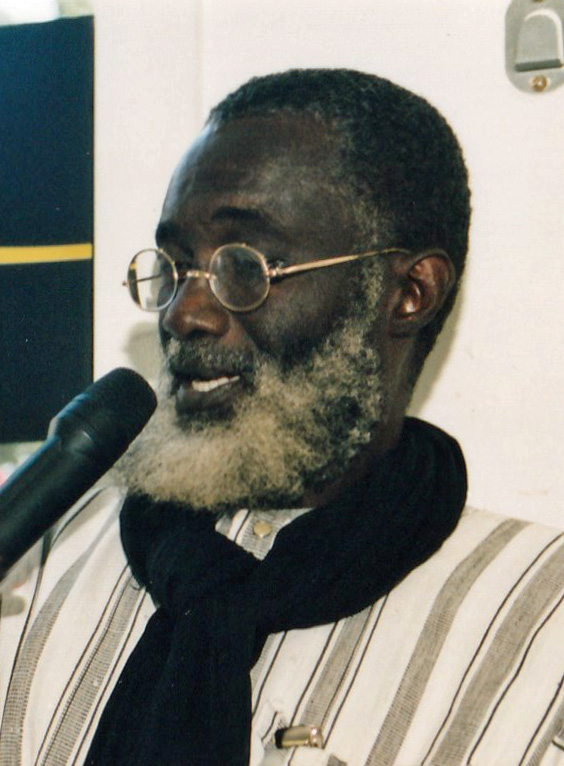
Abasse Ndione
Novelist & Playwright • Senegal
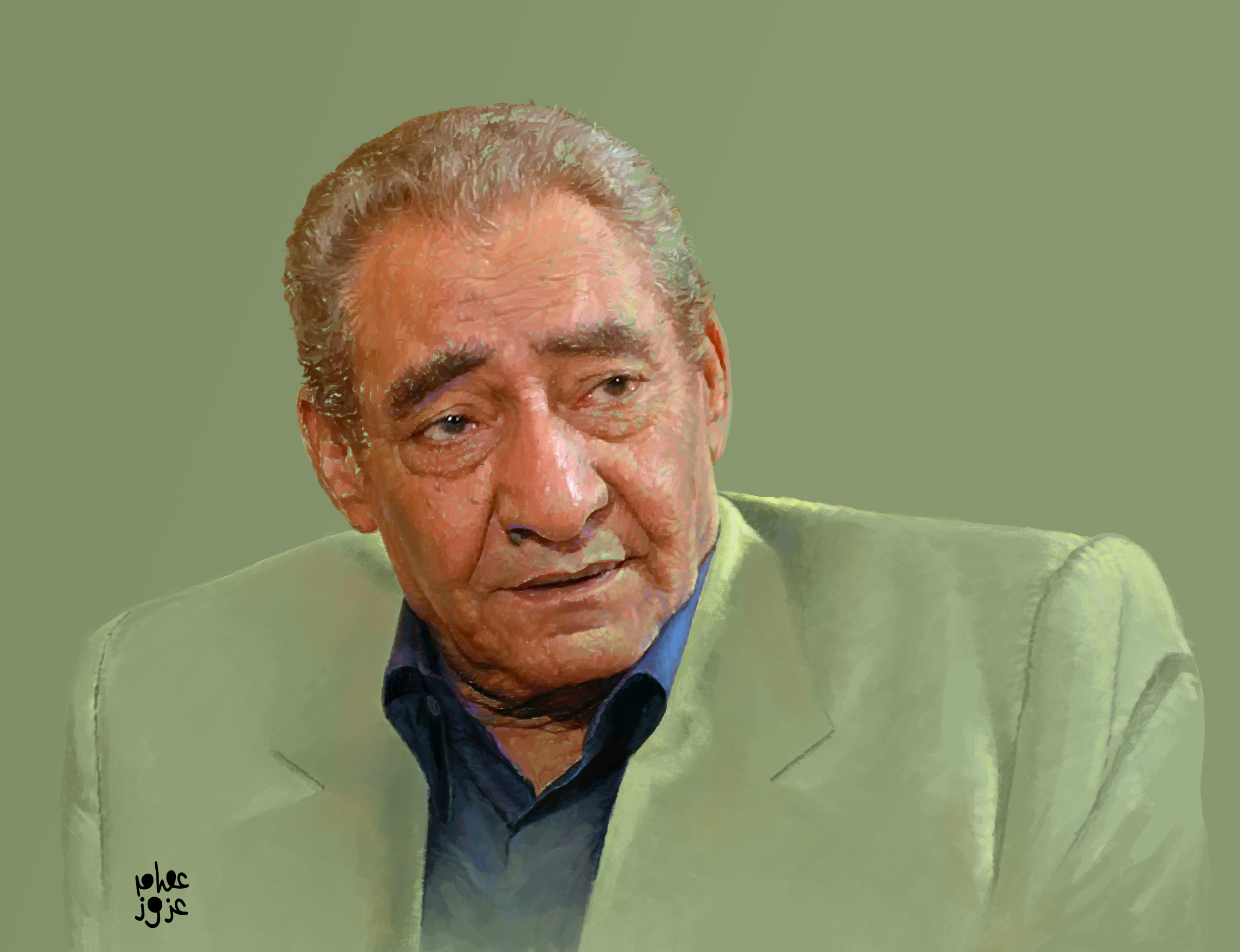
Abdel Rahman al-Abnudi†
Poet (Egypt-Sudan) • Sudan
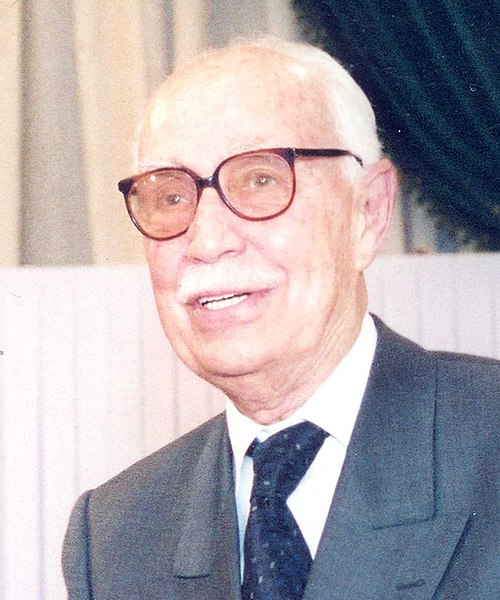
Abdelkrim Ghallab†
Novelist & Journalist • Morocco
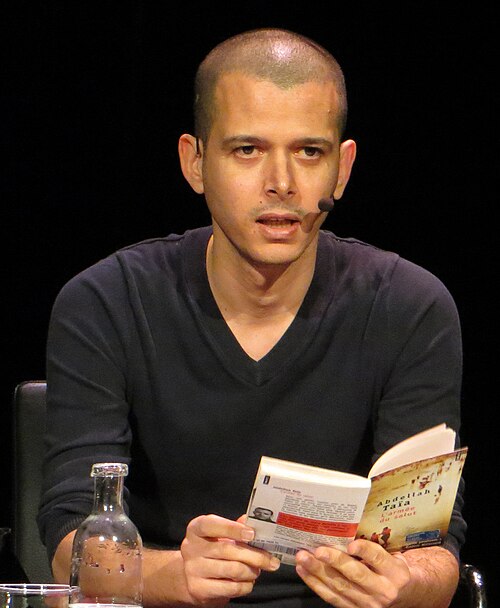
Abdellah Taïa
Novelist & Filmmaker • Morocco