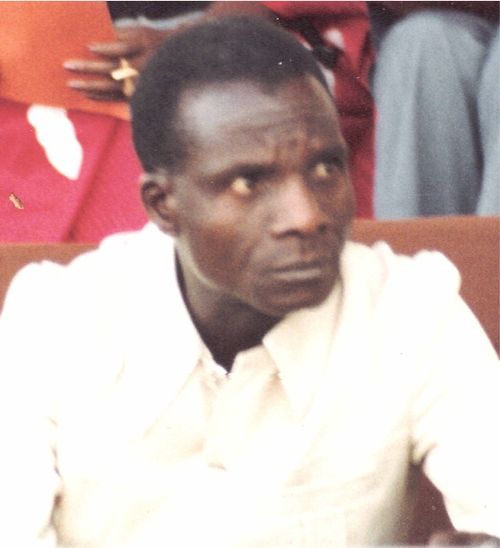
Biography
Introduction: The Architect of Niger's April Revolution
Seyni Kountché† stands as one of the most pivotal figures in the modern political history of Niger. A career military officer, he ascended to power as Ex-President of Niger following a bloodless coup d'état on April 15, 1974, which ousted the country's first president, Hamani Diori. Kountché's rule, which lasted until his death in 1987, is defined by a period of military administration known for its austere discipline, nationalist economic policies, and a fierce commitment to combating corruption and fiscal mismanagement. Operating within the broader context of Politics & Government in post-colonial Africa, his key achievement was arguably stabilizing a nation on the brink of economic collapse and navigating it through the devastating Sahel droughts of the 1970s and 1980s. While his regime was authoritarian, his legacy in Niger is often viewed through a lens of pragmatic leadership during an era of profound crisis.
Early Life & Education: Forging a Soldier
Seyni Kountché was born in 1931 in the town of Fandou, located in the then French colony of Niger. Hailing from the Djerma ethnic group, his early life was rooted in the rural Sahelian environment that would later deeply influence his concerns about food security. Details of his primary education are sparse, but his path was set toward a military career, a common avenue for advancement in colonial West Africa. He received his formal military training at the prestigious École Spéciale Militaire de Saint-Cyr in France, the alma mater of many African officers who would later become national leaders.
This French military education provided Kountché with a strong foundation in discipline, strategy, and leadership. He served with distinction in the French colonial army, including deployments during the First Indochina War. Following Niger's independence in 1960, he seamlessly transitioned into the nascent national army of the newly sovereign republic. His career progression was steady and marked by competence; he rose to the rank of Lieutenant Colonel and, significantly, served as the Chief of Staff of the Niger Armed Forces under President Hamani Diori. This position placed him at the heart of the nation's military establishment and gave him a clear, insider's view of the growing corruption and economic troubles plaguing the Diori government in the early 1970s.
Career & Major Achievements: The April Revolution and Its Aftermath
On April 15, 1974, Lieutenant Colonel Seyni Kountché led a successful military takeover, citing the Diori government's inability to manage a severe drought and widespread famine, along with rampant corruption, as justification. This event, dubbed the "April Revolution," marked the beginning of 13 years of military rule under the Supreme Military Council (CMS).
Consolidation and the "Development Society"
Kountché immediately dissolved the National Assembly, suspended the constitution, and banned all political parties. His initial focus was on crisis management: organizing international food aid and stabilizing the administration. He then introduced his vision for a "Société de Développement" (Development Society), a concept aimed at mobilizing the entire population for national economic goals, bypassing traditional political structures. This involved the creation of "Development Societies" in key sectors like agriculture and youth, intended to foster grassroots participation and self-sufficiency.
Economic Nationalism and Fiscal Discipline
Perhaps the most defining feature of Kountché's rule was his rigorous, often austere, economic management. He was deeply skeptical of foreign debt and the influence of international financial institutions. His policies included:
- Strict austerity measures to control public spending and reduce the budget deficit.
- A relentless anti-corruption campaign that targeted former officials and civil servants.
- Re-negotiation of mining agreements, particularly with France's Areva (now Orano) concerning Niger's uranium resources, to secure better terms for the state.
- Prioritization of agricultural and rural development projects to combat food insecurity.
Political Control and International Relations
Kountché's regime faced several coup attempts and internal plots, leading to periods of severe repression, imprisonment of opponents, and restrictions on civil liberties. In foreign policy, he maintained Niger's strong ties with France but also sought to diversify partnerships. He cultivated relations with Libya's Muammar Gaddafi (while carefully managing the volatile relationship), as well as with other Arab states and the Eastern Bloc. Under his leadership, Niger remained a key, albeit independent-minded, actor in regional organizations like the Economic Community of West African States (ECOWAS).
Personal Life & Legacy: The Austere Leader
Known for his reserved and stern demeanor, Seyni Kountché was the epitome of a disciplined soldier. He was a devout Muslim whose personal life was kept intensely private, reflecting his belief that the leader's focus should be solely on national service. He was not known for personal extravagance or the cult of personality that characterized some of his contemporaries. His interests were largely subsumed by the work of governance, particularly his drive for national economic independence and resilience against the climatic challenges of the Sahel.
The legacy of Seyni Kountché† in Niger is complex and subject to ongoing debate. To his supporters, he is remembered as a patriotic and incorruptible leader who saved the country from chaos, imposed necessary discipline, and fought for a fairer share of the nation's resource wealth. His emphasis on food self-sufficiency and fiscal prudence are seen as prescient. To his critics, his rule was an authoritarian interlude that suppressed democratic aspirations and civil society. However, most analyses acknowledge that his administration provided a period of relative stability during an exceptionally difficult time. His death from a brain tumor on November 10, 1987, in Paris led to a peaceful transition of power to his chosen successor, General Ali Saibou, a rarity in African Military Rule.
Net Worth & Financial Conduct
In stark contrast to many leaders in the region, Seyni Kountché† was not associated with personal wealth accumulation or business ventures. His financial legacy is defined by its perceived austerity and integrity. As a military officer and later president, his lifestyle was reported to be modest. The cornerstone of his public image was his fierce anti-corruption stance. He famously targeted the alleged embezzlement and lavish lifestyles of the previous political elite, and there are no credible reports or evidence suggesting he used the presidency for personal financial gain. His "net worth," in a conventional sense, is considered to have been minimal. His primary focus was on state finances, not personal business. This reputation for personal financial probity remains a central, and often praised, aspect of his historical profile in Niger, setting him apart in the annals of the country's Politics & Government. His financial success was measured in national, rather than personal, terms—aiming for a balanced budget and economic sovereignty for Niger.
For further reading on Seyni Kountché and the history of Niger, credible sources include the Encyclopædia Britannica, academic publications on Sahelian history, and historical archives from the period.
Frequently Asked Questions
What is Seyni Kountché†'s estimated net worth?
Net worth details for Seyni Kountché† are currently being updated.
What is Seyni Kountché†'s role and nationality?
Seyni Kountché† is a Ex-President of Niger from Niger.
How did Seyni Kountché† make their money?
Seyni Kountché† built their fortune primarily through Seyni Kountché was a military leader who seized power in a 1974 coup and ruled Niger until his death in 1987; there are no credible reports of significant personal wealth accumulation, and his era was marked by austerity..
How old is Seyni Kountch�
Seyni Kountché† was born in 1931 (95 years old).
Which category is Seyni Kountché† listed under?
Seyni Kountché† is featured under the Politics & Government category on NetWorth Africa.
How is Seyni Kountché†'s net worth calculated?
NetWorth Africa estimates financial valuations using publicly available stock equity holdings, company ownership records, real estate assets, and verified market data.
Net Worth Analysis
Seyni Kountché was a military leader who seized power in a 1974 coup and ruled Niger until his death in 1987; there are no credible reports of significant personal wealth accumulation, and his era was marked by austerity.
Quick Stats
Related People
Aaron Motsoaledi
LP; Minister of Home Affairs • South Africa
Abane Ramdane†
FLN Leader & Strategist • Algeria
Abdalla Hamdok
Ex-Prime Minister • Sudan
Abdallah Kigoda
Ex-Minister of Natural Resources • Tanzania