Biography
Introduction
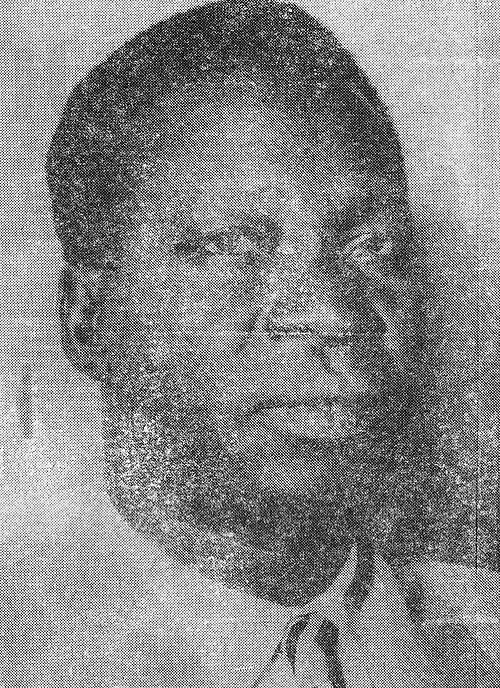
Sourou-Migan Apithy† stands as a defining figure in the political history of Benin, formerly known as Dahomey. As the nation's Second President, his career was intricately woven into the turbulent fabric of West Africa's decolonization period. Born in 1913, Apithy rose from a colonial administrator to become a central architect of Dahomey's early post-independence government. His most notable achievement was serving as President from 1964 to 1965, a critical but unstable period in the young nation's history. However, his significance extends far beyond his brief presidency. Sourou-Migan Apithy† was a foundational political leader whose efforts in the late 1950s and early 1960s helped shape the constitutional and administrative framework of independent Benin. His story is one of intellectual prowess, political maneuvering, and the immense challenges of governing a newly sovereign state in the complex landscape of Politics & Government in 1960s Africa.
Early Life & Education
Sourou-Migan Apithy was born on April 8, 1913, in Porto-Novo, the colonial capital of French Dahomey. Hailing from a prominent family in the Goun community, his early environment provided a unique blend of traditional authority and colonial influence. This background positioned him for a trajectory that would bridge European administrative systems and African political aspirations. His intellectual gifts were evident early on, leading him to pursue higher education in France, the colonial metropole.
Apithy's academic journey was impressive and formative. He studied at the prestigious École Libre des Sciences Politiques in Paris and later at the Faculty of Law, earning a degree in economics. This education equipped him with a deep understanding of Western political theory, economics, and public administration—skills rare among his contemporaries in Dahomey. Upon completing his studies, he did not immediately enter anti-colonial agitation. Instead, Sourou-Migan Apithy† chose to work within the system, serving as a financial adviser and civil servant in the French colonial administration. This experience gave him an insider's view of the machinery of government, which would prove invaluable in the years to come. His formative years thus created a politician who was both a product of the French colonial world and a determined advocate for its transformation.
Career & Major Achievements
The political career of Sourou-Migan Apithy† evolved alongside Dahomey's march toward independence. In the 1940s and 1950s, he entered the electoral arena, representing Dahomey in the French Parliament. He served as a Deputy in the French National Assembly from 1946 to 1958, and later in the French Senate. This period was crucial, as he advocated for Dahomey's interests within the French Union, pushing for greater autonomy and laying the groundwork for full sovereignty.
Path to the Presidency
As independence became imminent, Apithy emerged as a leading political figure. He founded the Parti Républicain du Dahomey (PRD), which drew significant support from the southern regions, particularly Porto-Novo. His rivalry with Hubert Maga, who had a power base in the north, defined the early political landscape of independent Dahomey. Upon independence on August 1, 1960, Maga became the first President, with Apithy serving as Vice President. This uneasy coalition was fraught with regional and personal tensions.
Following a period of political crisis and Maga's resignation in 1963, Sourou-Migan Apithy† ascended to the presidency on January 25, 1964. His tenure, however, was short-lived and plagued by immense challenges:
- Economic Instability: He inherited a dire economic situation with empty state coffers, high unemployment, and severe debt.
- Political Fragmentation: The nation remained deeply divided along regional and ethnic lines, with a restless military watching closely.
- Governance Struggles: His government struggled to implement effective reforms and consolidate power.
His major achievement during this period was simply maintaining the fragile state structure, but it was not enough. On November 29, 1965, General Christophe Soglo led a bloodless coup d'état, ending Apithy's presidency after just 10 months. He was subsequently arrested and spent years in detention, marking a dramatic fall from power.
Constitutional and Diplomatic Contributions
Despite the brevity of his presidency, Apithy's earlier contributions were substantial. He played a key role in the constitutional debates leading to independence and was instrumental in establishing Dahomey's initial administrative and diplomatic frameworks. His international experience helped position the new nation within the global community of the early 1960s.
Personal Life & Legacy
Outside the political arena, Sourou-Migan Apithy was known as a devout Catholic and an intellectual. His personal life was marked by the same contrasts as his career—a man deeply rooted in his Porto-Novo heritage yet comfortable in European salons. After his release from detention, he lived a relatively quiet life, a stark contrast to his once-hectic political existence. He passed away on December 3, 1989, in Paris.
The legacy of Sourou-Migan Apithy† is complex. He is remembered as a patriot and a skilled administrator who helped guide Dahomey to independence. However, his presidency is often cited as an example of the instability that plagued many West African nations in the first decade after colonial rule. His life underscores the difficult transition from colonial subject to national leader. Today, in Benin, he is recognized as one of the "Fathers of Independence," a key figure among the generation that took the first, faltering steps of self-governance. His political journey—from French parliamentarian to President to political detainee—mirrors the tumultuous early history of the nation itself, offering critical lessons on the challenges of post-colonial Politics & Government.
Net Worth & Business Ventures
Unlike some independence-era leaders who amassed personal fortunes, there is little documented evidence or public discourse suggesting that Sourou-Migan Apithy leveraged his political office for significant personal financial gain or engaged in major private business ventures. His primary career was in public service, first as a colonial civil servant and later as a full-time politician. The economic context of Dahomey during his presidency was one of profound national poverty, not personal enrichment. Any financial standing he had likely stemmed from his family's status in Porto-Novo and his earlier salaried positions. His legacy is firmly rooted in political, not financial, spheres. The focus on Sourou-Migan Apithy† remains on his constitutional contributions, his role as Second President, and his enduring place in the historical narrative of Benin's struggle for stable governance.
† Deceased. This biography is based on historical records and academic sources detailing the political history of Benin/Dahomey. For further reading, consult authoritative texts on West African political history or archival resources from the period.
Frequently Asked Questions
What is Sourou-Migan Apithy†'s estimated net worth?
Sourou-Migan Apithy† has an estimated net worth of $5.0 Million.
What is Sourou-Migan Apithy†'s role and nationality?
Sourou-Migan Apithy† is a Second President from Benin.
How did Sourou-Migan Apithy† make their money?
Sourou-Migan Apithy† built their fortune primarily through Sourou-Migan Apithy was a historical political figure (President of Dahomey, now Benin, 1964-1965) from a pre-independence era, not a modern businessperson. His wealth was not comparable to contemporary African billionaires, and no significant personal fortune is documented..
How old is Sourou-Migan Apithy†?
Sourou-Migan Apithy† was born in 1913 (113 years old).
Which category is Sourou-Migan Apithy† listed under?
Sourou-Migan Apithy† is featured under the Politics & Government category on NetWorth Africa.
How is Sourou-Migan Apithy†'s net worth calculated?
NetWorth Africa estimates financial valuations using publicly available stock equity holdings, company ownership records, real estate assets, and verified market data.
Net Worth Analysis
Sourou-Migan Apithy was a historical political figure (President of Dahomey, now Benin, 1964-1965) from a pre-independence era, not a modern businessperson. His wealth was not comparable to contemporary African billionaires, and no significant personal fortune is documented.
Quick Stats

Related People

Aaron Motsoaledi
LP; Minister of Home Affairs • South Africa

Abane Ramdane†
FLN Leader & Strategist • Algeria

Abdalla Hamdok
Ex-Prime Minister • Sudan

Abdallah Kigoda
Ex-Minister of Natural Resources • Tanzania