Financial Breakdown
Asset Distribution
Assets vs Liabilities
Assets
Disclaimer: These financial estimates are based on publicly available information and should be considered approximate. Last updated: 12/31/2025
Biography
Introduction: The Unflinching Voice of a Nation
Stanley Nyamfukudza† (1951 – 2024) stands as one of Zimbabwe's most significant and critically acclaimed literary figures. A masterful novelist and short story writer, his work provided a profound, nuanced, and often unsettling exploration of the human condition against the backdrop of colonial Rhodesia and independent Zimbabwe. His writing is celebrated for its intellectual depth, moral complexity, and unwavering commitment to truth-telling, making him a cornerstone of post-colonial African literature. While his output was selectively concise, its impact was monumental. His debut novel, The Non-Believer's Journey (1980), remains a landmark text, offering a searingly honest portrayal of the liberation struggle. The career of Stanley Nyamfukudza† is a testament to the power of literature to interrogate history, challenge ideologies, and give voice to the conflicted individual within grand political narratives.
Early Life & Education: Forging a Perspective
Stanley Nyamfukudza† was born in 1951 in the rural district of Goromonzi, Southern Rhodesia (now Zimbabwe). His early life was shaped by the realities of a society rigidly divided by racial segregation and colonial rule. This environment provided the raw material for his future writing—the tensions, injustices, and cultural dislocations that characterized life for Black Zimbabweans. He received his secondary education at St. Augustine's Mission, Penhalonga, a renowned institution that educated many future Zimbabwean leaders and intellectuals.
His academic prowess earned him a place at the University of Rhodesia (now University of Zimbabwe) in the early 1970s, where he studied for a Bachelor of Arts degree. This period was crucially formative. The university was a hotbed of political activism and intellectual ferment as the war for liberation intensified. However, Stanley Nyamfukudza†'s perspective was uniquely shaped by a tragic personal event: the death of his brother, a guerrilla fighter. This loss deeply affected him, steering him away from simplistic partisan narratives and towards a more questioning, humanistic exploration of the conflict—a theme that would define his major works. He later pursued further studies in France and the United Kingdom, broadening his literary and philosophical horizons.
Career & Major Achievements: A Literary Architect
The literary career of Stanley Nyamfukudza† is marked by a pursuit of quality and integrity over quantity. His entry onto the international literary stage was dramatic. In 1980, the same year Zimbabwe gained independence, he published The Non-Believer's Journey through Heinemann's prestigious African Writers Series. The novel was a critical sensation, but also controversial. It followed Sam, a disaffected intellectual returning from abroad to bury his brother, a slain guerrilla. Unlike the triumphant narratives of the time, Nyamfukudza's novel presented a protagonist alienated from both the white regime and the nationalist movements, caught in a web of moral ambiguity and personal despair.
Literary Themes and Style
Stanley Nyamfukudza†'s work is characterized by several key themes:
- The Intellectual in Crisis: His protagonists are often educated, skeptical individuals grappling with their place in a society demanding ideological purity.
- The Complexity of Liberation: He unflinchingly depicted the internal contradictions, sacrifices, and personal costs of the struggle for freedom.
- Moral Ambiguity: Rejecting black-and-white portrayals, his fiction lives in the gray areas of human motivation and action.
- Post-Independence Disillusionment: His later work, like the novel Aftermaths (1983), critically examined the challenges and failures of the new nation.
Academic and Editorial Contributions
Parallel to his writing, Stanley Nyamfukudza† built a distinguished academic career. He taught literature at the University of Zimbabwe for many years, influencing generations of students and writers. He also made significant contributions as an editor. For over a decade, he served as the editor of Zimbabwe Publishing House, one of the country's most important literary institutions, where he helped shape the national literary landscape by nurturing new voices. Furthermore, his role as a contributing editor for the Southern African Review of Books established him as a critical thinker on the regional Arts & Culture scene. His short story collection, If God Was a Woman (1991), further cemented his reputation, showcasing his range and mastery of the form.
Personal Life, Legacy, and Lasting Impact
Stanley Nyamfukudza† was known by colleagues and students as a private, thoughtful, and principled man. His intellectual rigor was matched by a quiet humility. While not a flamboyant public figure, he engaged deeply with the cultural and political life of his country through his writing and teaching. His legacy is multifaceted and enduring. He is remembered as a writer of immense courage who refused to conform to political or commercial pressures, insisting instead on artistic and intellectual honesty.
His passing in January 2024 was met with an outpouring of tributes from across the literary world, affirming his status as a giant of African letters. The legacy of Stanley Nyamfukudza† lies in his foundational role in constructing a sophisticated, self-critical national literature for Zimbabwe. He demonstrated that true patriotism could involve tough questioning, and that the novel was a powerful tool for national self-reflection. His works continue to be studied in universities globally and remain essential reading for anyone seeking to understand the complex soul of a nation born from struggle.
Literary Estate and Recognition
While discussions of net worth are rarely appropriate for literary figures of his stature, the value of Stanley Nyamfukudza†'s contribution is immeasurable in cultural terms. His primary "business" was the business of ideas and narrative. His income derived from his academic salary, book royalties, and editorial work. The true value of his estate is his body of work—novels and short stories that continue to generate scholarly analysis and reader engagement long after their publication. His books are his lasting assets, published by respected houses like Heinemann and College Press. Prizes and formal recognition, while not the focus of his career, included the prestigious Ingersoll Foundation's T.S. Eliot Award for Creative Writing in 2003, a testament to his transnational literary significance. The continued republication and teaching of his work ensure that the intellectual legacy of Stanley Nyamfukudza† will support and inspire future generations, securing his place in the permanent canon of world literature.
Frequently Asked Questions
What is Stanley Nyamfukudza†'s estimated net worth?
Stanley Nyamfukudza† has an estimated net worth of $1.0 Million.
What is Stanley Nyamfukudza†'s role and nationality?
Stanley Nyamfukudza† is a Novelist from Zimbabwe.
How did Stanley Nyamfukudza† make their money?
Stanley Nyamfukudza† built their fortune primarily through Stanley Nyamfukudza was a respected Zimbabwean novelist and academic, not a business figure, so his wealth derived from literary work and teaching, not corporate holdings..
How old is Stanley Nyamfukudza†?
Stanley Nyamfukudza† was born in 1951 (75 years old).
Which category is Stanley Nyamfukudza† listed under?
Stanley Nyamfukudza† is featured under the Arts & Culture category on NetWorth Africa.
How is Stanley Nyamfukudza†'s net worth calculated?
NetWorth Africa estimates financial valuations using publicly available stock equity holdings, company ownership records, real estate assets, and verified market data.
Net Worth Analysis
Stanley Nyamfukudza was a respected Zimbabwean novelist and academic, not a business figure, so his wealth derived from literary work and teaching, not corporate holdings.
Quick Stats

Related People
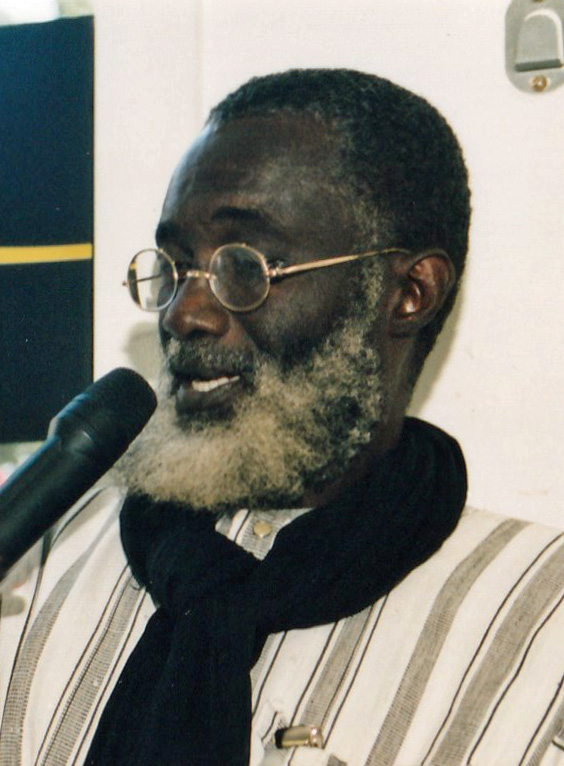
Abasse Ndione
Novelist & Playwright • Senegal
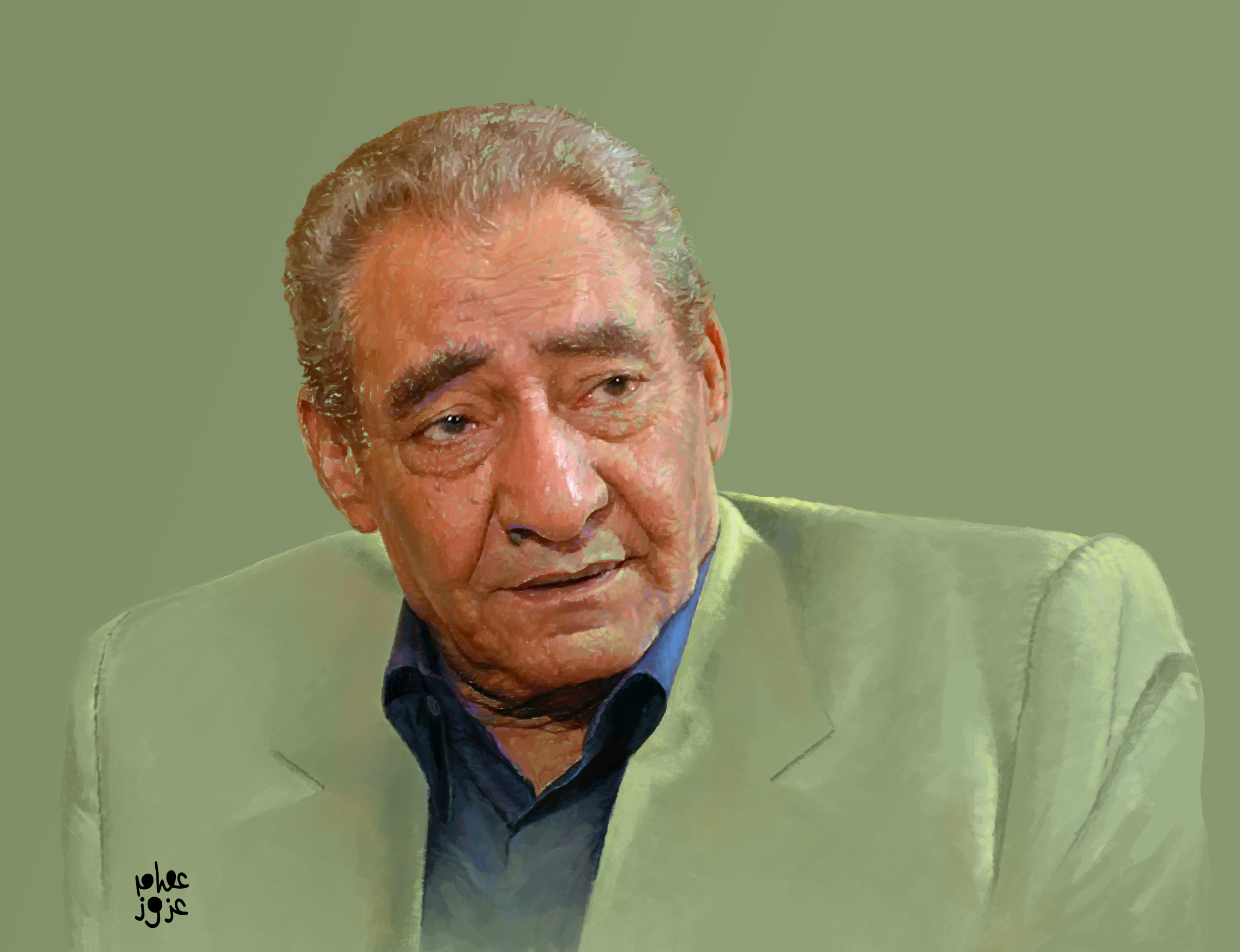
Abdel Rahman al-Abnudi†
Poet (Egypt-Sudan) • Sudan
Abdelkrim Ghallab†
Novelist & Journalist • Morocco
Abdellah Taïa
Novelist & Filmmaker • Morocco