Financial Breakdown
Asset Distribution
Assets vs Liabilities
Assets
Disclaimer: These financial estimates are based on publicly available information and should be considered approximate. Last updated: 12/31/2025
Biography
Introduction: A Literary Provocateur
Taban Lo Liyong stands as one of the most significant, controversial, and pioneering figures in African literature. Born in 1938 in what is now South Sudan, he carved a unique path as a Poet & Academic whose work relentlessly challenged conventions. A key figure in the Arts & Culture landscape of East Africa, he is often mentioned alongside the first generation of post-colonial African writers like Chinua Achebe and Wole Soyinka, though his approach was markedly different. His most famous declaration—that East Africa was a "literary desert" upon his return in the late 1960s—ignited fierce debate but also spurred literary introspection and productivity. Taban Lo Liyong's legacy is built on a vast body of work encompassing poetry, literary criticism, folklore, and essays, all characterized by a distinctive, often satirical, and always intellectual voice.
Early Life & Education: Forging a Pan-African Mind
Taban Lo Liyong's early life was shaped by the cultural and political complexities of the Sudans. He was born in 1938 in Kajo Kaji, near the Uganda border, in the Equatoria region. His formative years coincided with a period of significant change, and his education followed an exceptional trajectory that took him across continents. He received his primary education in his homeland and later in Uganda.
His academic journey took a decisive turn when he won a scholarship through the "African-American Students Foundation" airlift, a program that also supported the education of figures like Barack Obama Sr. This opportunity led him to Howard University in Washington D.C., USA, where he earned his first degree. He then pursued further studies at the University of Iowa, where he completed a Master of Fine Arts (MFA) in 1968 from the renowned Iowa Writers' Workshop. Notably, he is recognized as the first African to graduate from this prestigious program. This transnational education exposed him to Western literary canons while simultaneously solidifying his critical perspective on colonialism and its cultural impacts, a tension that would define his later work.
Career & Major Achievements: Sowing Seeds in the "Desert"
Returning to East Africa in the late 1960s, Taban Lo Liyong embarked on a prolific and often contentious academic and literary career. He taught at universities in Kenya, Uganda, Sudan, and Papua New Guinea, influencing generations of students. His career is a tapestry of groundbreaking publications and intellectual provocations.
The "Literary Desert" Statement and Early Works
In 1969, in a review titled "Can We Correct Literary Barrenness in East Africa?", Liyong famously asserted the region's literary output was sparse. While this was criticized as dismissive, it was intended as a call to action. His early works, like Fixions (1969) and The Last Word (1969), were experimental, blending genres and defying easy categorization. They showcased his belief in synthesizing African oral traditions with Western literary forms, a method he termed "ruthless eclecticism."
Prolific Literary Output and Themes
Over decades, Taban Lo Liyong produced an astonishing volume of work. Key publications include:
- Eating Chiefs: Luo Culture from Lolwe to Malkal (1970) - A seminal collection and reinterpretation of Luo folklore.
- Another Nigger Dead (1972) - A collection of poetry marked by its sharp, ironic tone and political consciousness.
- Meditations in Limbo (1978) and Meditations of Taban lo Liyong (1998) - Expansive, essayistic works blending autobiography, social critique, and philosophical musings.
Academic Influence and Recognition
Beyond writing, Liyong held prestigious academic positions, including serving as a professor of literature at the University of Juba in Sudan (now South Sudan). His critical essays contributed significantly to early debates on the direction of African literature. Despite—or because of—his controversial stance, he is credited with stimulating literary activity in East Africa, pushing writers and scholars to prove him wrong and define their own voices.
Personal Life, Philosophy & Legacy
Known for his formidable intellect and contrarian spirit, Taban Lo Liyong cultivated the persona of a cultural gadfly. His personal philosophy was rooted in a deep skepticism of dogma, whether colonial or native. He championed intellectual freedom and the right to criticize all facets of society, a stance that sometimes isolated him from both Western and African literary establishments. He was a collector and revitalizer of oral literature, believing that Africa's cultural future depended on engaging with its past on its own terms.
His lasting legacy is multifaceted. He is a foundational figure for South Sudan's literary identity, providing a reference point for writers from the world's youngest nation. In broader Arts & Culture circles, he remains a symbol of fearless critical inquiry. While the "literary desert" comment is often the headline, his true contribution lies in his decades of prolific output that challenged literary form, engaged deeply with oral tradition, and insisted on the intellectual's right to dissent. He paved the way for a more self-critical and philosophically engaged strand of African writing.
Net Worth & Business Ventures
As with many influential figures in academia and literature, particularly from regions with complex histories like South Sudan, quantifying the net worth of Taban Lo Liyong is not straightforward or publicly documented. His wealth is not measured in conventional financial terms but in his immense intellectual and cultural capital. His primary "venture" was his prolific writing career, spanning over 30 books, which provided income through publishing royalties and academic salaries from the various universities he served globally.
His true "business" was the business of ideas—critiquing, teaching, and publishing. Any financial success was likely reinvested into his research, travels, and life as a scholar. Therefore, the legacy of Taban Lo Liyong resides not in monetary valuation but in the enduring value of his contributions to post-colonial literature, critical theory, and the preservation of African cultural heritage. His work continues to be studied, debated, and taught, ensuring his influence remains a vital part of the African literary canon.
Frequently Asked Questions
What is Taban Lo Liyong's estimated net worth?
Taban Lo Liyong has an estimated net worth of $1.0 Million.
What is Taban Lo Liyong's role and nationality?
Taban Lo Liyong is a Poet & Academic from South Sudan.
How did Taban Lo Liyong make their money?
Taban Lo Liyong built their fortune primarily through Taban Lo Liyong is a renowned poet and academic, not a business figure; his wealth stems from a career in literature and education, not corporate ownership or Forbes-listed assets..
How old is Taban Lo Liyong?
Taban Lo Liyong was born in 1938 (88 years old).
Which category is Taban Lo Liyong listed under?
Taban Lo Liyong is featured under the Arts & Culture category on NetWorth Africa.
How is Taban Lo Liyong's net worth calculated?
NetWorth Africa estimates financial valuations using publicly available stock equity holdings, company ownership records, real estate assets, and verified market data.
Net Worth Analysis
Taban Lo Liyong is a renowned poet and academic, not a business figure; his wealth stems from a career in literature and education, not corporate ownership or Forbes-listed assets.
Quick Stats



Related People
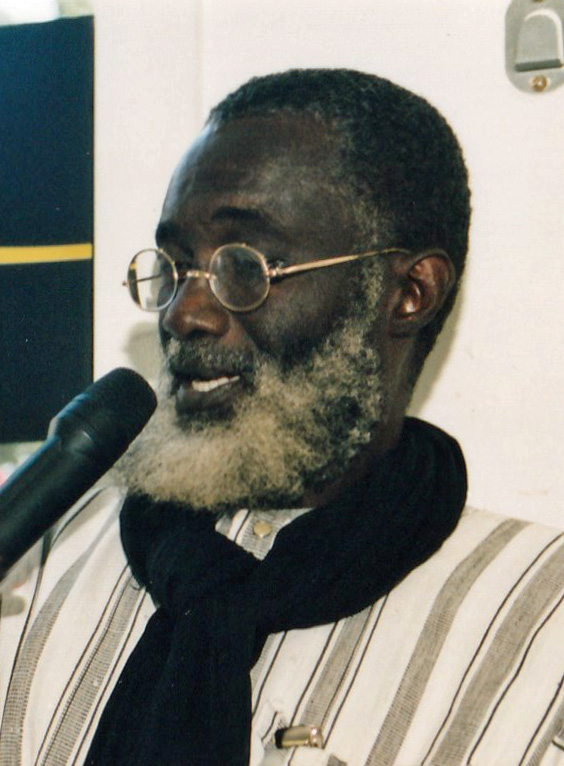
Abasse Ndione
Novelist & Playwright • Senegal
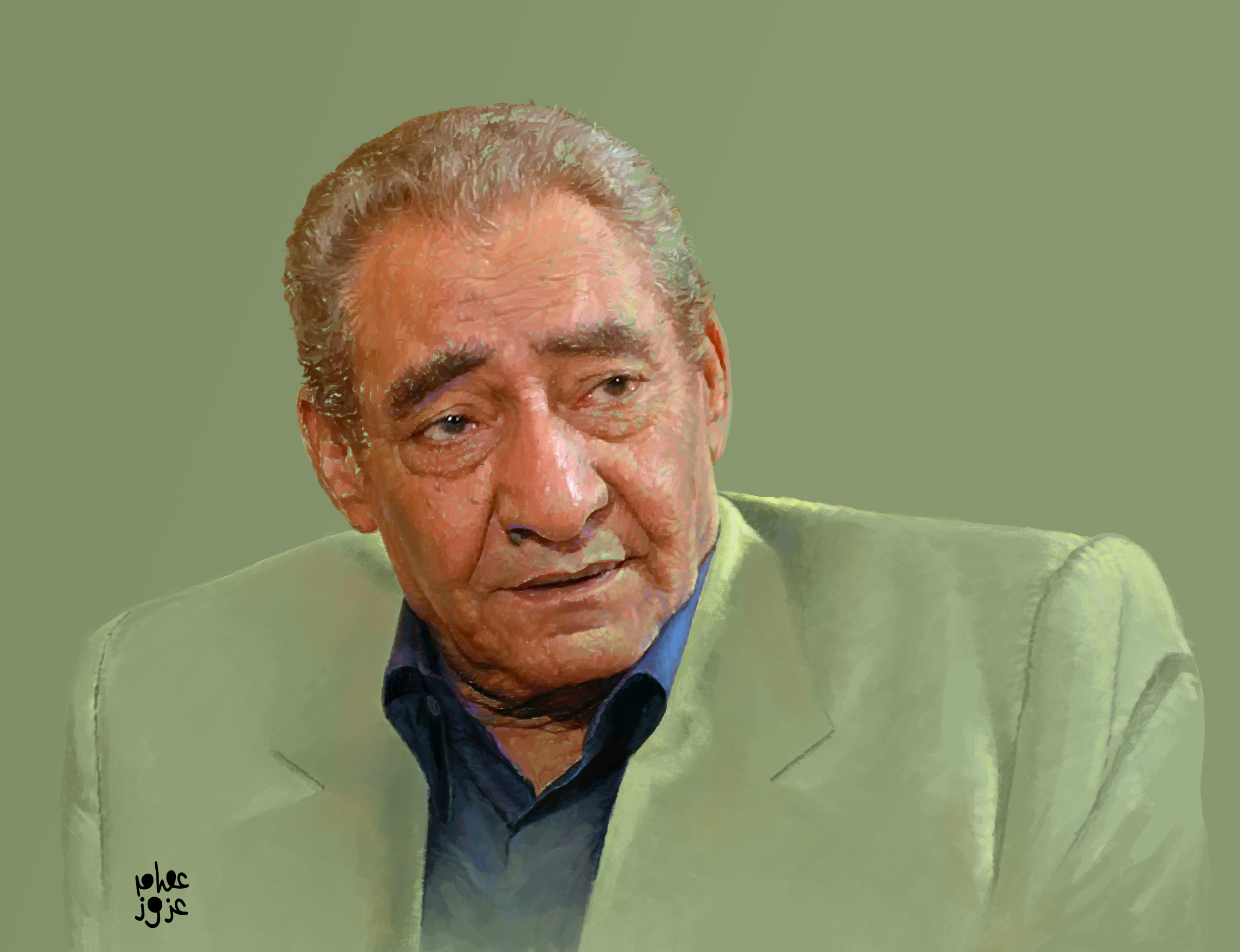
Abdel Rahman al-Abnudi†
Poet (Egypt-Sudan) • Sudan
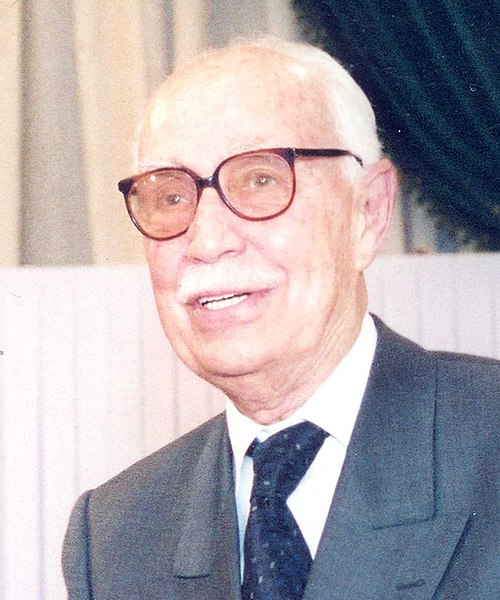
Abdelkrim Ghallab†
Novelist & Journalist • Morocco
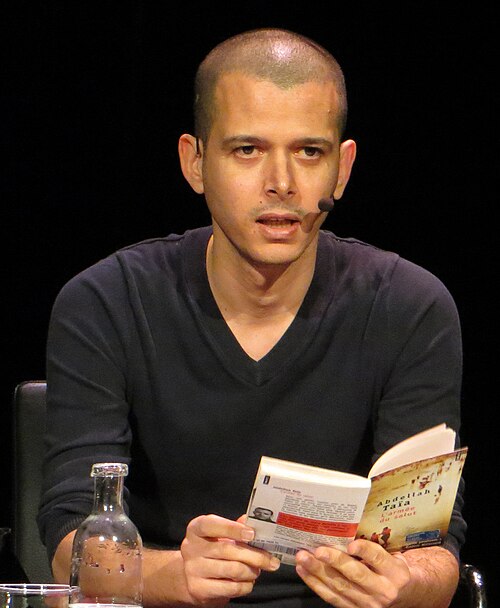
Abdellah Taïa
Novelist & Filmmaker • Morocco