Financial Breakdown
Asset Distribution
Assets vs Liabilities
Assets
Disclaimer: These financial estimates are based on publicly available information and should be considered approximate. Last updated: 12/31/2025
Biography
Introduction: The Voice of Morocco on the World Stage
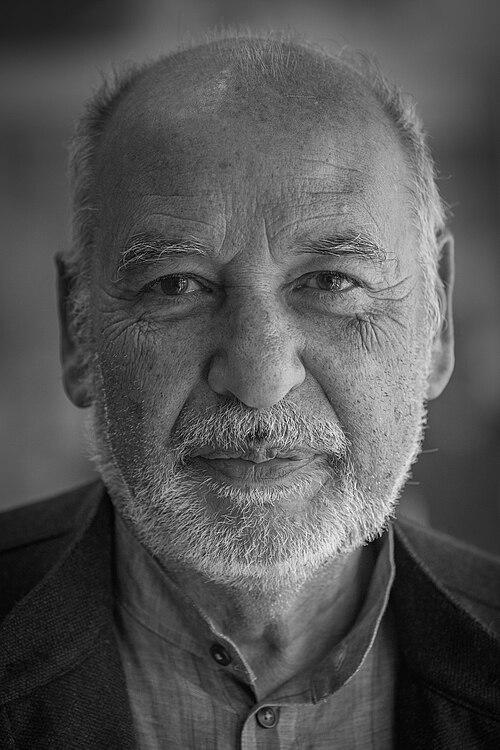
Tahar Ben Jelloun stands as one of the most prominent and influential literary figures in contemporary Arts & Culture. A Moroccan author who writes primarily in French, his work has become an essential bridge between North African narratives and European literary traditions. His profound exploration of identity, exile, racism, and the human condition has earned him a global readership and critical acclaim. The pinnacle of his recognition came in 1987 when he was awarded the prestigious Goncourt Prize for his novel La Nuit Sacrée (The Sacred Night), becoming the first author from the Maghreb region to receive France's highest literary honor. This achievement cemented his status as a leading voice in world literature, using his platform to illuminate the complexities of post-colonial Morocco and the immigrant experience.
Early Life & Education: Formative Years in Fes and Tangier
Tahar Ben Jelloun was born in 1944 in the historic city of Fes, Morocco. His upbringing in a culturally rich environment, steeped in Moroccan traditions and the Arabic language, provided the foundational textures for his later writing. In 1955, his family moved to Tangier, a cosmopolitan port city that exposed the young Ben Jelloun to a diverse mix of cultures and languages. This early experience of movement and cultural intersection would become a recurring theme in his oeuvre.
His educational journey began in bilingual Arabic-French schools. He later pursued philosophy at the Mohammed V University in Rabat. However, his academic path was abruptly shaped by political events. In 1966, following student protests, Ben Jelloun was sent with hundreds of others to a disciplinary military camp for eighteen months. This traumatic experience of confinement and injustice became a crucible for his political and social consciousness. After his release, he continued his studies, earning a degree in philosophy. In 1971, seeking both academic and creative freedom, he moved to Paris, France, where he completed a doctorate in social psychiatry. This unique academic blend of philosophy and psychology would deeply inform his literary approach, particularly his nuanced examinations of trauma and identity.
Career & Major Achievements: From Poetry to the Goncourt Prize
Tahar Ben Jelloun's literary career began with poetry. His first published collection, Hommes sous linceul de silence (Men Under a Shroud of Silence), appeared in 1971. His poetic voice, often engaged and lyrical, established his early reputation. However, it was his transition to prose that brought him widespread fame. His breakthrough novel, L'Enfant de sable (The Sand Child), published in 1985, is a masterful story about a Moroccan girl raised as a boy to secure a family inheritance. It explores themes of gender, identity, and storytelling itself, becoming an international success.
This was followed in 1987 by its sequel, La Nuit Sacrée. This powerful narrative, continuing the protagonist's journey of self-discovery, earned Ben Jelloun the Goncourt Prize. The award was a historic moment for Moroccan and Francophone literature, challenging the center of the French literary world to recognize voices from its former colonies. Beyond this landmark achievement, Ben Jelloun has authored a vast and diverse body of work exceeding 50 titles, including novels, essays, poems, and children's books.
Key Themes and Notable Works
Throughout his career, Tahar Ben Jelloun has consistently tackled pressing social issues:
- Immigration and Racism: La Plus Haute des solitudes (1977) examined the mental suffering of North African immigrants in France. His seminal novel L'Hospitalité française (1984) and the bestselling Le Racisme expliqué à ma fille (1998) (Racism Explained to My Daughter) are direct, accessible engagements with xenophobia.
- Moroccan Society and History: Works like Cette aveuglante absence de lumière (2001) (This Blinding Absence of Light), based on the testimony of a survivor of King Hassan II's secret prisons, won the International IMPAC Dublin Literary Award in 2004.
- Gender and Sexuality: Beyond The Sand Child, novels like La Nuit de l'erreur (1997) delve into the complexities of female desire and societal constraints in the Arab world.
His impact extends beyond the page. Ben Jelloun is a frequent contributor to major European newspapers like Le Monde and Corriere della Sera, acting as a cultural commentator and intellectual bridge.
Personal Life, Legacy, and Lasting Impact
Tahar Ben Jelloun has lived in Paris for decades but remains deeply connected to his Moroccan roots, often describing himself as a "citizen of two shores." This position of insider-outsider grants him a unique critical perspective on both French and Moroccan societies. He is a father and has often cited his children as inspiration for his works aimed at explaining complex world issues to younger audiences.
His legacy in Arts & Culture is multifaceted. He paved the way for a generation of Maghrebi writers writing in French, demonstrating that their stories held universal resonance and literary merit worthy of the highest accolades. By winning the Goncourt Prize, he irrevocably changed the landscape of French literature. Furthermore, his courageous engagement with taboo subjects—political oppression, immigration trauma, sexual identity—has given voice to silenced experiences and fostered cross-cultural understanding. He is not just a novelist but a public intellectual whose essays and commentaries continue to shape discussions on integration, tolerance, and human rights in Europe and the Arab world.
Literary Influence and Recognition
While not a "business" in the traditional sense, the literary enterprise of Tahar Ben Jelloun represents significant cultural and intellectual capital. His success is measured in critical awards, global sales, and translational reach. His books have been translated into over 45 languages, a testament to his worldwide appeal. The financial success stemming from prizes like the Goncourt and the IMPAC Dublin Award, coupled with consistent international sales, places him among the most commercially successful literary authors from the African continent. His "business" is the business of ideas—his ventures are his novels, essays, and lectures, through which he has built a sustainable career as a leading global writer. His work continues to be a vital subject of academic study and a touchstone for debates on post-colonial identity, making his influence an enduring asset in the world of letters.
For further reading on his works and influence, reputable sources include the Encyclopedia Britannica, interviews in The New York Times, and archives from Le Monde.
Frequently Asked Questions
What is Tahar Ben Jelloun's estimated net worth?
Tahar Ben Jelloun has an estimated net worth of $10.0 Million.
What is Tahar Ben Jelloun's role and nationality?
Tahar Ben Jelloun is a Goncourt Prize Winner from Morocco.
How did Tahar Ben Jelloun make their money?
Tahar Ben Jelloun built their fortune primarily through As a celebrated author and intellectual, his wealth derives from book sales, literary prizes, and speaking engagements, not business empires, placing him in the multi-millionaire range..
How old is Tahar Ben Jelloun?
Tahar Ben Jelloun was born in 1944 (82 years old).
Which category is Tahar Ben Jelloun listed under?
Tahar Ben Jelloun is featured under the Arts & Culture category on NetWorth Africa.
How is Tahar Ben Jelloun's net worth calculated?
NetWorth Africa estimates financial valuations using publicly available stock equity holdings, company ownership records, real estate assets, and verified market data.
Net Worth Analysis
As a celebrated author and intellectual, his wealth derives from book sales, literary prizes, and speaking engagements, not business empires, placing him in the multi-millionaire range.
Quick Stats
Related People
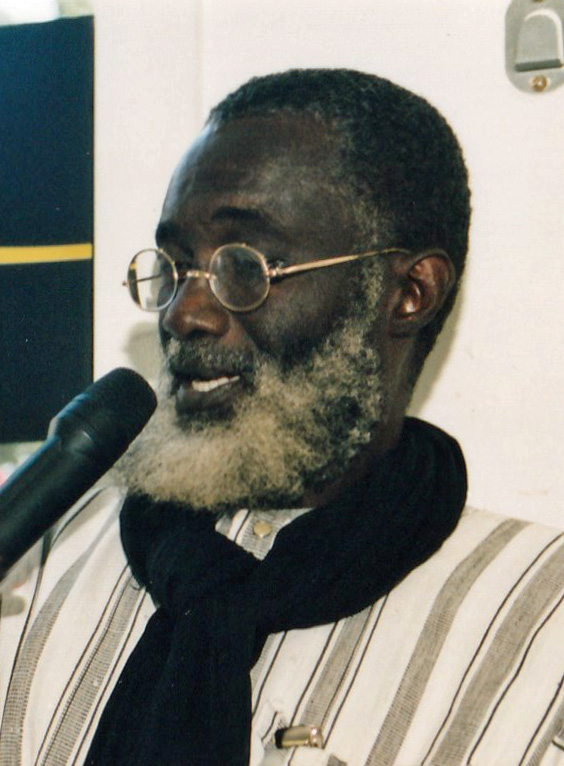
Abasse Ndione
Novelist & Playwright • Senegal
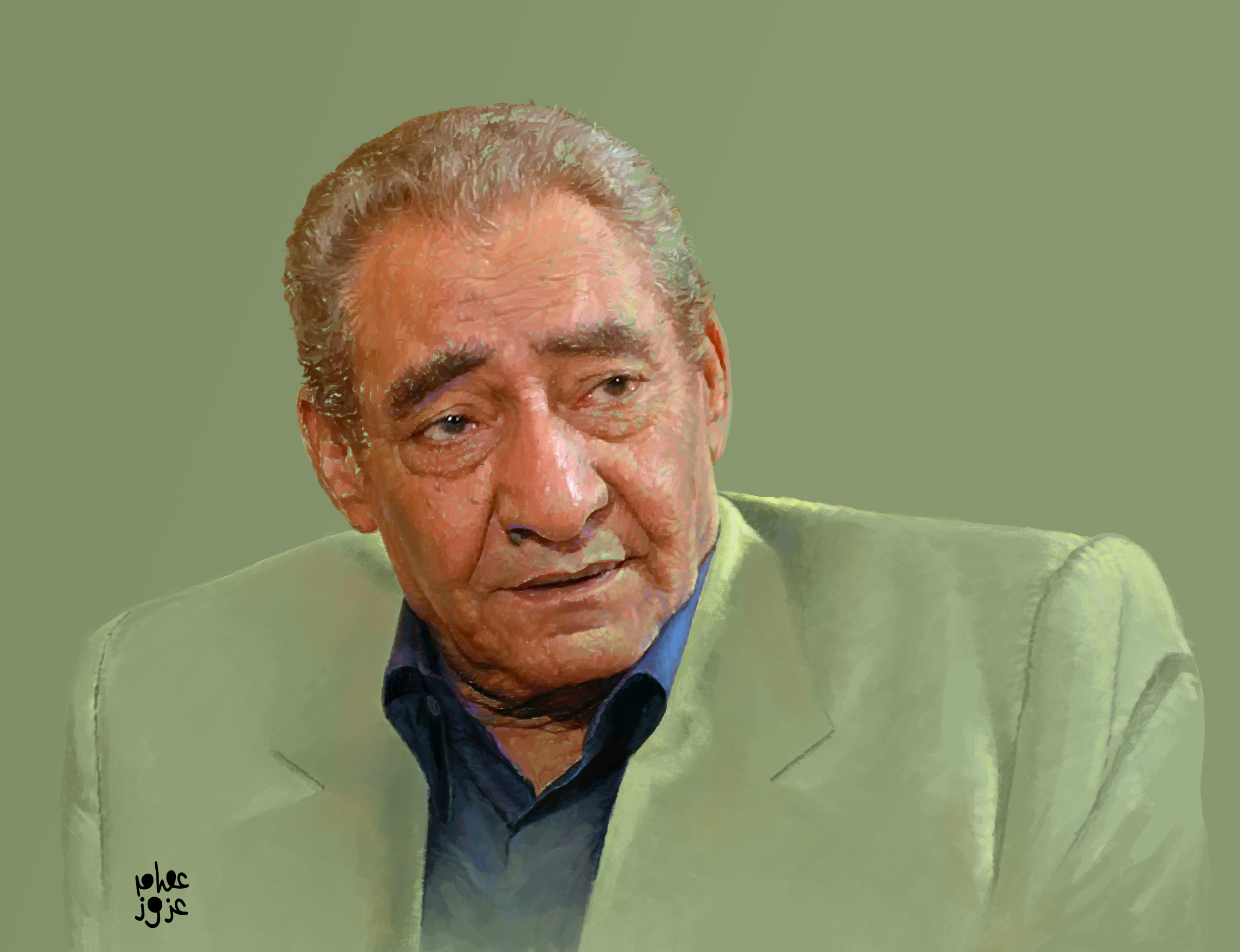
Abdel Rahman al-Abnudi†
Poet (Egypt-Sudan) • Sudan
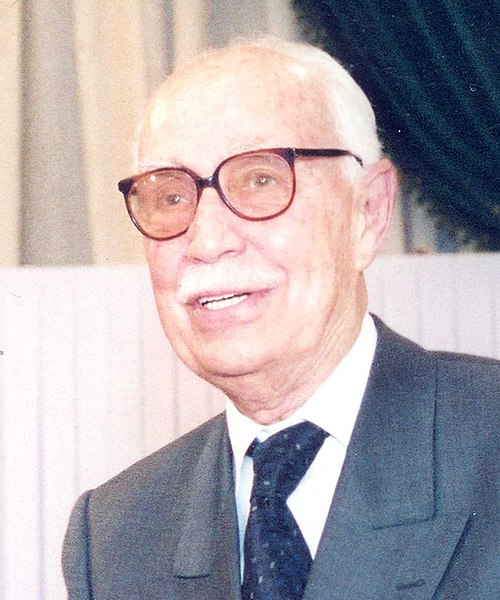
Abdelkrim Ghallab†
Novelist & Journalist • Morocco
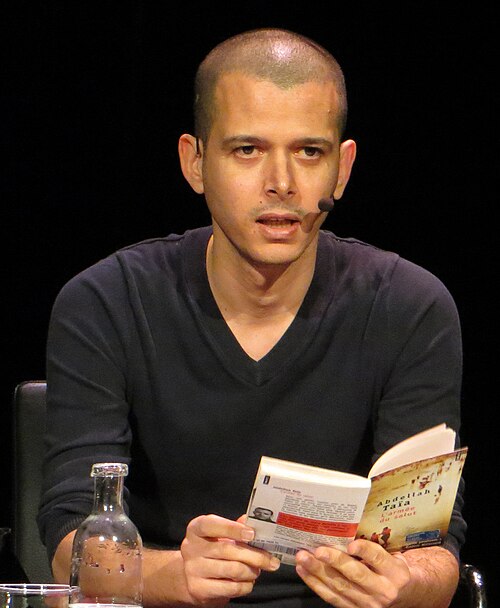
Abdellah Taïa
Novelist & Filmmaker • Morocco