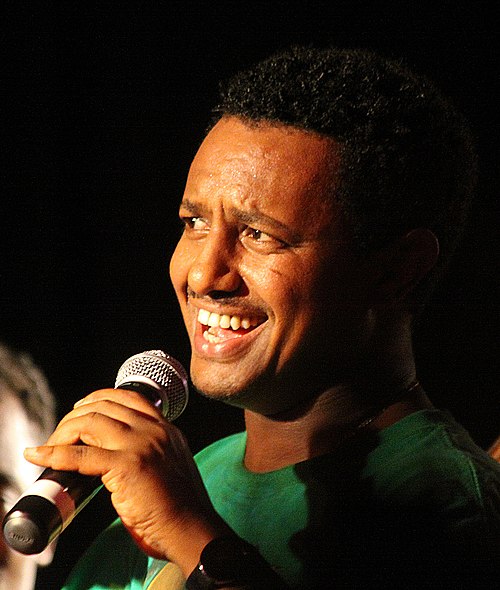
$10M
Estimated Net Worth
As of 2024 • medium confidence
Financial Breakdown
Asset Distribution
Assets vs Liabilities
Assets
Disclaimer: These financial estimates are based on publicly available information and should be considered approximate. Last updated: 12/31/2025
Biography
Introduction: Ethiopia's Musical Ambassador
Tewodros Kassahun, universally known as Teddy Afro, is not merely a pop star; he is a cultural phenomenon and a defining voice of contemporary Ethiopia. Born in 1976 in Addis Ababa, Teddy Afro has risen from local acclaim to become the best-selling Ethiopian artist of all time, a status cemented by his record-shattering albums. His music, a vibrant fusion of traditional Ethiopian melodies, reggae rhythms, and modern pop, serves as a bridge between generations and a powerful medium for social commentary, historical reflection, and patriotic unity. More than just an entertainment figure, Teddy Afro embodies the soul of a nation, using his platform to celebrate Ethiopia's rich heritage while encouraging progress and introspection. His 2012 album, "Tikur Sew" (Black Man), is a landmark in Ethiopian music history, becoming the highest-selling album by an Ethiopian artist and solidifying his role as a true cultural icon.
Early Life & Education: The Formative Years
Teddy Afro's journey began in the bustling capital of Ethiopia, Addis Ababa. He was born into a family with a strong musical inclination; his father, Kassahun Germamo, was a respected ethnomusicologist. This early exposure to the diverse sonic tapestry of Ethiopia's many regions planted the seeds for his future sound. His stage name, "Teddy Afro," was coined during his high school years at the prestigious Addis Ababa University Community School, reflecting both his given name, Tewodros, and the popular afro hairstyle of the era.
Despite his clear passion for music, Teddy Afro pursued higher education in a different field. He enrolled at Addis Ababa University, initially studying Law. However, the pull of music proved irresistible. His formative years were shaped by the greats of Ethiopian music, such as Tilahun Gessesse and Aster Aweke, as well as international icons like Bob Marley, whose influence is palpable in Teddy's rhythmic foundations and socially conscious lyrics. This unique blend of influences—deeply rooted Ethiopianism and universal messages of love and justice—would become the hallmark of his career. His university years were not just academic; they were a period of artistic incubation where he began to craft the identity that would captivate a nation.
Career & Major Achievements: A Meteoric Rise to Icon Status
Teddy Afro's professional career launched in the early 2000s, but it was his second album, "Abugida" (2001), that signaled his arrival as a major force. The album's success was a precursor to the storm that would follow. His third album, "Yasteseryal" (2005), was a monumental hit, featuring the anthemic "Haile, Haile" which celebrated Emperor Haile Selassie I. The album's popularity was unprecedented, selling hundreds of thousands of copies and dominating the airwaves. However, its political undertones also attracted controversy, marking the beginning of Teddy Afro's complex relationship with authority.
The Landmark Album: "Tikur Sew"
The pinnacle of his career (and a watershed moment for Ethiopian music) came with his fourth studio album, "Tikur Sew", released in 2012. The album is a sprawling, ambitious tribute to Emperor Menelik II and the Ethiopian victory at the Battle of Adwa in 1896. Its themes of unity, resistance, and national pride resonated profoundly with the public. "Tikur Sew" achieved staggering commercial success, with estimates suggesting it sold over a million copies in a matter of months—a feat unheard of in the Ethiopian market. It transformed Teddy Afro from a popular singer into a national treasure and a cultural icon.
Continued Dominance and Evolution
He followed this with another record-breaking album, "Ethiopia" (2017). This album continued his exploration of history and unity, featuring songs that paid homage to different Ethiopian ethnicities and historical figures. It was met with massive anticipation and, upon release, sparked nationwide celebrations, with fans flooding the streets to dance and sing along. His most recent work, "Meba" (2023), showcases a more personal and reflective side, though it still carries his signature sound and thoughtful lyricism. Across his discography, key achievements include:
- Holding the record for the best-selling albums in Ethiopian history.
- Consistently selling out the largest venues in Ethiopia and across the diaspora.
- Using his music to popularize Ethiopian history and foster a sense of shared identity.
- Becoming one of the most streamed African artists on digital platforms.
His impact extends beyond sales. Teddy Afro's concerts are cultural events, uniting people across social and political divides. His music provides the soundtrack to national celebrations, weddings, and everyday life, making him an omnipresent figure in the entertainment landscape of Ethiopia.
Personal Life, Philanthropy & Legacy
Outside the spotlight, Teddy Afro leads a relatively private life. He is married to actress and model Amleset Muchie, and together they have children. His personal experiences, including a highly publicized legal case in 2008 that resulted in a prison sentence (a period many of his supporters viewed as politically motivated), have deeply influenced his perspective and music, adding layers of resilience and contemplation to his public persona.
Teddy Afro is also known for his philanthropic efforts. He has made significant donations to various causes, including supporting families in need, contributing to public health initiatives, and funding community projects. While he often keeps these acts of charity low-key, they are a testament to his commitment to giving back to the society that has embraced him so fully.
The legacy of Teddy Afro is already firmly etched into the cultural bedrock of Ethiopia. He has inspired a new generation of musicians to embrace their heritage while innovating. He demonstrated that music with deep local roots could achieve monumental commercial success. Most importantly, he revived national pride and historical consciousness for millions, particularly the youth. As a pop star, he defined an era of Ethiopian music. As a cultural icon, he helped redefine how a nation sees itself. His songs are more than hits; they are modern-day anthems that will echo for generations to come.
Net Worth & Business Ventures
As the best-selling musical artist in Ethiopia's history, Teddy Afro has achieved considerable financial success. While exact figures are private and estimates vary widely, his net worth is reliably believed to be in the millions of dollars. This wealth is primarily generated through his record-breaking album sales, sold-out concert tours across the globe (ticketing massive venues like Addis Ababa's Millennium Hall and arenas throughout North America and Europe), and digital streaming royalties. His albums are cultural events that guarantee massive physical and digital sales upon release.
Beyond music, Teddy Afro has leveraged his fame into strategic business ventures. He is the founder and owner of Roha Cultural Center in Addis Ababa, a premier venue that hosts concerts, weddings, and other large events. This venture not only serves as a business investment but also as a contribution to the city's cultural infrastructure. He also owns a popular nightclub and has been involved in brand endorsements, aligning with products that resonate with his public image. These ventures solidify his status not just as an artist, but as a savvy entrepreneur within the Ethiopian entertainment industry.
Net Worth Analysis
Teddy Afro is Ethiopia's most successful musician with massive album sales and sold-out concerts, but he is not a billionaire and is not listed on any major wealth ranking.
Quick Stats
Related People

2Baba (Innocent Idibia)
Veteran Artist & Activist
Aar Maanta
Singer & Composer

Abdel Aziz al-Mubarak
Oud Master
Abdel Halim Hafez†
Legend; “Nightingale”; “The Dark-Skinned Nightingale”