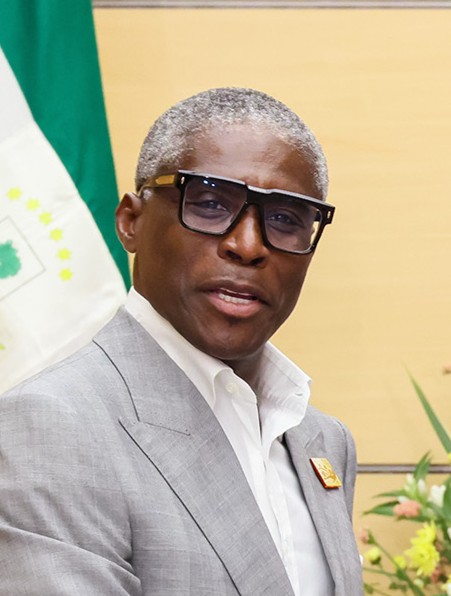
$600M
Estimated Net Worth
As of 2024 • medium confidence
Financial Breakdown
Asset Distribution
Assets vs Liabilities
Assets
Liabilities
Disclaimer: These financial estimates are based on publicly available information and should be considered approximate. Last updated: 12/29/2025
Biography
Introduction: The Vice President & Son
Teodoro Nguema Obiang Mangue, widely known by his nickname "Teodorín", is a central figure in the Politics & Government landscape of Equatorial Guinea. As the nation's Vice President and the eldest son of President Teodoro Obiang Nguema Mbasogo, he occupies a unique position of Executive Leadership and dynastic succession. Born in 1968, his life and career have been inextricably linked to the trajectory of the small, oil-rich Central African nation. His notability stems not only from his familial ties but from his substantial, decades-long involvement in the highest echelons of state power. A key achievement in his political ascent was his formal appointment as Vice President in 2016, solidifying his status as a potential future leader. This biography explores the journey of Teodoro Nguema Obiang Mangue, from his early life to his current role, examining his impact on Equatorial Guinea's development and his complex legacy on the international stage.
Early Life & Education: Formative Years in a Political Dynasty
Teodoro Nguema Obiang Mangue was born in 1968, a period when his father, Teodoro Obiang Nguema Mbasogo, was rising through the military ranks. His upbringing was therefore set against the backdrop of significant political change, culminating in his father's coup d'état in 1979. As the son of the new president, his formative experiences were shaped within the corridors of power in Malabo. For his education, he attended the Colegio Nacional Enrique Nvó Okenve in Equatorial Guinea before pursuing higher studies abroad, a common path for the children of the nation's elite.
His academic pursuits took him to the United States and Europe. He studied at the Pepperdine University in Malibu, California, though he did not complete a degree there. This international exposure during his youth contrasted with the insulated reality of his home country and provided him with a worldview that would later influence his personal tastes and public persona. The combination of a privileged upbringing within a politically dominant family and education abroad crafted a unique profile: that of a modernizing figure with deep roots in the existing power structures of Equatorial Guinea. These early years were crucial in preparing him for the responsibilities and controversies that would define his later career in Executive Leadership.
Career & Major Achievements: Ascent to Executive Leadership
The career of Teodoro Nguema Obiang Mangue in public service began at a young age, with appointments that signaled his destined path. His rise has been marked by a steady accumulation of influential positions, blending political, security, and economic oversight.
Early Appointments and Ministerial Tenure
In the 1990s, he was appointed as the Mayor of Malabo, the nation's capital, and later as a member of parliament. His most prominent early role, however, began in 1998 when he was named Minister of Agriculture and Forestry. He held this portfolio for over a decade, until 2012. During this tenure, he was also appointed as the "Vice President" of the Republic in charge of Defense and State Security in 2012, a role created specifically for him and indicative of his growing authority. His management of the agriculture sector coincided with the nation's oil boom, a period of massive revenue influx that transformed the economy but also heightened scrutiny on governance and wealth distribution.
Architect of Security and National Events
A significant aspect of his career has been his command over state security apparatuses. As the head of the Presidential Military Staff and later as the minister overseeing defense, Teodoro Nguema Obiang Mangue became the key figure responsible for the protection of the presidency and, by extension, national stability from the government's perspective. Furthermore, he has been the chief organizer of major national events, most notably the summits of the African Union held in Malabo. His role in successfully hosting these high-profile international gatherings has been presented as a major achievement, showcasing Equatorial Guinea's infrastructure and organizational capacity on a continental stage.
Vice Presidency and Political Heir Apparent
The apex of his political career to date was reached on June 22, 2016, when a constitutional decree formally appointed him as the Second Vice President of the Republic, a title later simplified to Vice President. This move was widely interpreted as confirming his status as the chosen successor to his father, President Obiang. In this role, his official responsibilities are vast, encompassing:
- Coordinating the work of ministries and state administrations.
- Representing the President at national and international functions.
- Overseeing key sectors of the economy and national development plans.
His supporters point to infrastructure projects, urban development in Malabo, and his assertive management style as achievements under his watch. However, his career has not been without international controversy, with foreign governments investigating his wealth. Despite this, within the context of Equatorial Guinea's Politics & Government, Teodoro Nguema Obiang Mangue remains the most powerful figure after the president, shaping the nation's present and its future succession.
Personal Life, Philanthropy, and Lasting Impact
Outside the realm of official duties, the personal life of Teodoro Nguema Obiang Mangue has attracted global attention. He is known for a lavish lifestyle, with a well-documented passion for luxury cars, high-end real estate abroad, and musical ventures—he once owned a music production company. These interests have frequently made international headlines and have been the subject of legal actions in foreign jurisdictions alleging misuse of state funds, which he has consistently denied. In terms of philanthropy and public engagement, his approach is often channeled through his political and social influence. He has been associated with youth-focused initiatives and sports development within Equatorial Guinea, using his platform to promote national events and cultural projects.
His legacy is still being written, but it is poised to be one of the most significant in the nation's modern history. As the likely successor in a political dynasty that has ruled since 1979, his ultimate impact will be defined by how he navigates the country's challenges: managing its hydrocarbon-dependent economy, addressing governance and transparency concerns, and improving the living standards for all citizens. Whether viewed as a modernizing force or as a continuation of the established order, Teodoro Nguema Obiang Mangue is undeniably the central figure in the next chapter of Equatorial Guinea's political narrative.
Net Worth & Business Ventures
The financial profile of Teodoro Nguema Obiang Mangue is a subject of intense international interest and investigation. While no official net worth is published, he is consistently described by global media and watchdog organizations as one of the wealthiest individuals in Africa. His wealth is understood to be derived from his long-held political positions and associated business interests. During his tenure as Minister of Agriculture and Forestry, he also held significant influence over the timber sector, a major export for the country. Investigations by authorities in the United States, France, and Switzerland have focused on allegations that his lavish spending on properties, cars, and assets abroad was funded through corruption and embezzlement of public funds. In 2014, he reached a settlement with the U.S. Department of Justice, forfeiting over $30 million in assets without admitting guilt. These international cases have shaped the global perception of his wealth, even as they are contested by his representatives. His business ventures, therefore, remain deeply intertwined with his political office and the broader economic structure of Equatorial Guinea.
Net Worth Analysis
Estimates are based on his role as Vice President and son of the long-serving president, with wealth derived from control over state resources and businesses, but precise figures are not verified by major financial publications like Forbes.
Quick Stats
Related People
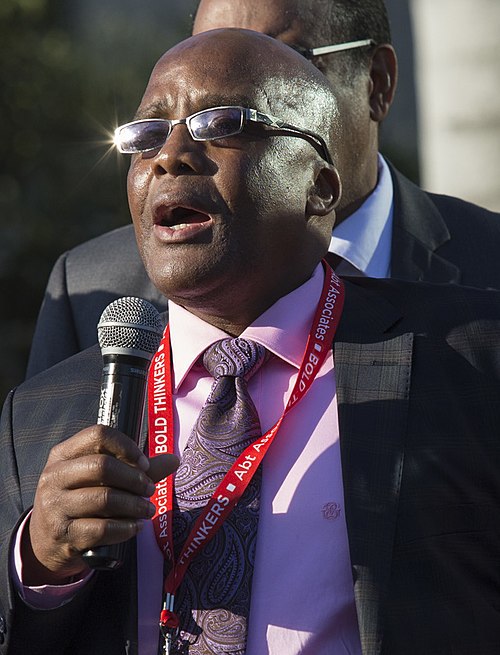
Aaron Motsoaledi
LP; Minister of Home Affairs
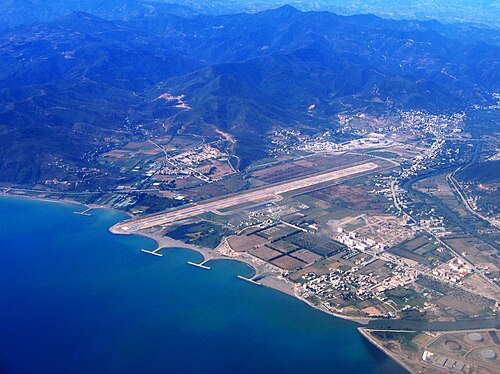
Abane Ramdane†
FLN Leader & Strategist
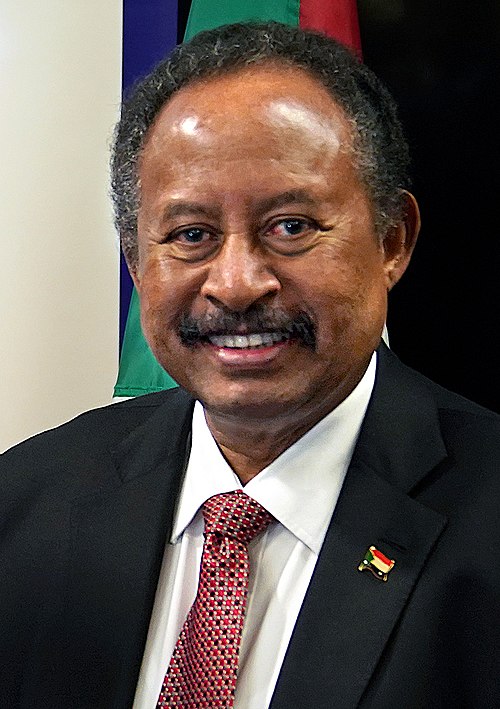
Abdalla Hamdok
Ex-Prime Minister
Abdallah Kigoda
Ex-Minister of Natural Resources