Financial Breakdown
Asset Distribution
Assets vs Liabilities
Assets
Liabilities
Disclaimer: These financial estimates are based on publicly available information and should be considered approximate. Last updated: 12/31/2025
Biography
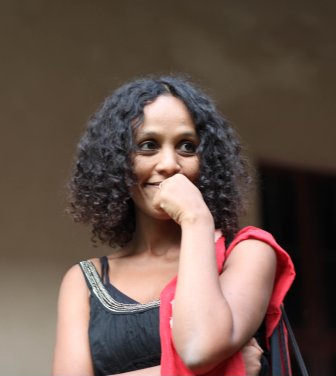
In the vibrant landscape of contemporary Arts & Culture, few voices resonate with the poignant complexity of migration and memory like that of Ubah Cristina Ali Farah. Born in 1975 in Somalia and raised across continents, Farah has established herself as a preeminent Writer whose work bridges Italian and Somali literary traditions. A novelist, poet, and oral storyteller, she crafts narratives that delve into the fractured histories and resilient identities of the Somali diaspora. Her notable achievements include winning the prestigious Elio Vittorini Prize in 2006 for her debut novel, Madre piccola (Little Mother), and being a vital contributor to anthologies that shape postcolonial Italian literature. Ubah Cristina Ali Farah's work is essential for understanding the intersections of language, displacement, and cultural preservation in the 21st century.
Early Life & Education: Roots Across Continents
The early life of Ubah Cristina Ali Farah was marked by movement, a theme that would profoundly influence her literary oeuvre. She was born in 1975 in the city of Baidoa, Somalia, to a Somali father and an Italian mother. At a young age, her family relocated to Rome, but they returned to Mogadishu when she was just three years old. She spent her formative years in the Somali capital during the 1980s, a period of growing tension that preceded the catastrophic civil war. This experience immersed her in Somali oral culture and language, a foundation she would later draw upon extensively.
The outbreak of civil war in 1991 forced a dramatic change. At the age of eighteen, Ubah Cristina Ali Farah fled the escalating violence, returning to Italy as a refugee. This dual experience—of a childhood in Somalia and a young adulthood shaped by exile—forged her unique perspective. In Italy, she pursued higher education with a focus on the very themes that defined her life. She earned a degree in Foreign Languages and Literature from the University of Rome "La Sapienza," followed by a doctorate in African Studies from the University of Naples "L'Orientale." Her academic research centered on Somali oral poetry and literature, providing her with a scholarly framework for her creative work. This blend of personal lived experience and rigorous academic study equipped Ubah Cristina Ali Farah with the tools to articulate the nuances of diasporic identity.
Career & Major Achievements: Weaving Stories of Diaspora
Literary Breakthrough and Acclaimed Novels
Ubah Cristina Ali Farah began her career contributing to the groundbreaking anthology Poesia della migrazione in italiano (1996), which positioned her within a new wave of migrant writers in Italy. Her true breakthrough came a decade later with her debut novel, Madre piccola (Little Mother), published in 2007. The novel, which won the Elio Vittorini Prize for a debut work, is a polyphonic narrative told from the perspectives of three women—Dunia, Barni, and Marion—whose lives are interconnected by the Somali diaspora between Italy, Scandinavia, and Somalia. The novel was praised for its intricate structure and its compassionate exploration of trauma, healing, and the redefinition of family and community in exile.
Her second novel, Il comandante del fiume (The Commander of the River), published in 2014, further cemented her reputation. This work intertwines the story of a young Somali refugee in Rome with the legendary figure of Il comandante, a resistance fighter during the Italian colonization of Somalia. Through this narrative, Ubah Cristina Ali Farah masterfully connects past and present, colonial violence and contemporary migration, demonstrating the long shadows history casts on current events.
Poetry, Theater, and Cultural Activism
Beyond prose, Ubah Cristina Ali Farah is an accomplished poet and playwright. Her poetry, often performed, draws directly from the rhythms and traditions of Somali oral poetry (gabay, buraanbur), while engaging with contemporary themes. She has been actively involved in theater projects, collaborating on performances that bring the stories of migrant communities to the stage. Furthermore, she has worked as a journalist for the Italian national radio network RAI, hosting programs dedicated to intercultural dialogue. Her commitment to cultural preservation is evident in her work collecting and translating Somali oral texts, ensuring they are accessible to new generations. As a writer, her key contributions include:
- Pioneering a distinct Somali-Italian literary voice within Italian literature.
- Centering female perspectives and agency in narratives of war and migration.
- Acting as a cultural mediator, translating Somali experiences for a wider audience.
- Participating in international literary festivals and academic conferences worldwide, promoting cross-cultural understanding.
Personal Life, Legacy, and Lasting Impact
While Ubah Cristina Ali Farah maintains a degree of privacy regarding her personal life, her public work reveals a deep commitment to community and cultural bridge-building. She is known to be fluent in Somali, Italian, and English, a trilingualism that reflects her transnational identity. Her interests in oral history and collaborative storytelling point to a personality that values collective memory over individual celebrity.
The legacy of Ubah Cristina Ali Farah is already significant within the fields of postcolonial literature, migration studies, and contemporary Italian writing. She is frequently studied alongside other Italophone writers of African origin, such as Igiaba Scego and Gabriella Ghermandi, as part of a transformative movement in Italy's national literature. Her work challenges monolithic narratives about Somalia and migration, offering instead layered, human-centered stories of survival and creativity. By giving voice to the complex emotional landscapes of the diaspora—the nostalgia, the loss, the forging of new identities—she ensures that these experiences are recorded with nuance and dignity. Ubah Cristina Ali Farah has paved the way for future generations of writers from migrant backgrounds, proving that stories born at the crossroads of cultures are not marginal, but central to understanding our globalized world.
Literary Contributions and Recognition
As a literary figure, Ubah Cristina Ali Farah's "business" is the craft of storytelling and cultural production. Her financial success is intrinsically linked to her publications, literary prizes, and engagements as a speaker and workshop facilitator. The primary ventures through which she shares her work are:
- Book Publications: Royalties from her novels, published by reputable Italian presses like Frassinelli and 66thand2nd, form a core part of her professional income.
- Literary Prizes: Winning awards like the Elio Vittorini Prize provides both financial support and significant career advancement, increasing the visibility and sales of her work.
- Academic and Festival Appearances: She is regularly invited to universities and international literary festivals (e.g., the Hay Festival, the Berlin International Literature Festival) for readings, panels, and residencies, which contribute to her professional standing and income.
- Journalism and Radio: Past work with RAI radio represents another avenue of her cultural work, blending narrative skill with journalistic inquiry.
This biography is compiled from credible literary sources, including publisher profiles, academic analyses of Italophone literature, and interviews with Ubah Cristina Ali Farah. For further reading, consult the catalogs of publishers like 66thand2nd or academic journals focused on postcolonial and migration studies.
Frequently Asked Questions
What is Ubah Cristina Ali Farah's estimated net worth?
Ubah Cristina Ali Farah has an estimated net worth of $1.0 Million.
What is Ubah Cristina Ali Farah's role and nationality?
Ubah Cristina Ali Farah is a Writer from Somalia.
How did Ubah Cristina Ali Farah make their money?
Ubah Cristina Ali Farah built their fortune primarily through Ubah Cristina Ali Farah is a prominent Somali-Italian writer and novelist, not a business figure; her wealth is derived from literary work and cultural contributions, not corporate holdings..
How old is Ubah Cristina Ali Farah?
Ubah Cristina Ali Farah was born in 1975 (51 years old).
Which category is Ubah Cristina Ali Farah listed under?
Ubah Cristina Ali Farah is featured under the Arts & Culture category on NetWorth Africa.
How is Ubah Cristina Ali Farah's net worth calculated?
NetWorth Africa estimates financial valuations using publicly available stock equity holdings, company ownership records, real estate assets, and verified market data.
Net Worth Analysis
Ubah Cristina Ali Farah is a prominent Somali-Italian writer and novelist, not a business figure; her wealth is derived from literary work and cultural contributions, not corporate holdings.
Quick Stats


Related People
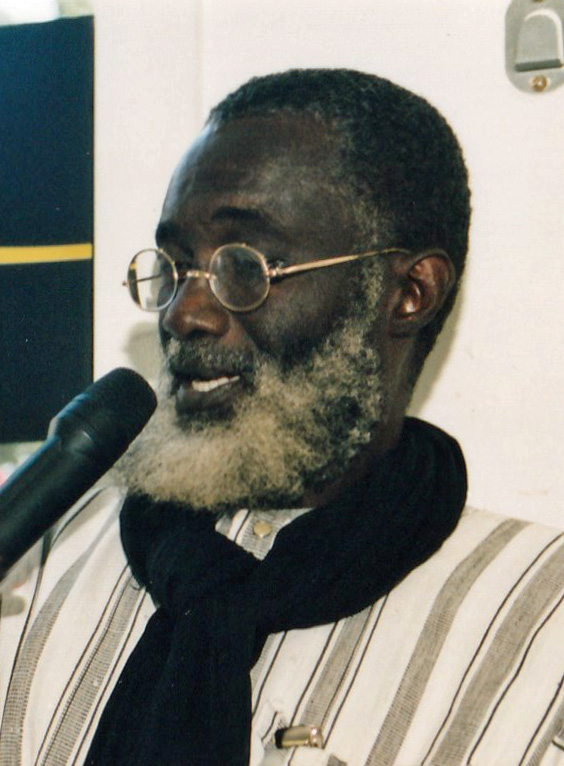
Abasse Ndione
Novelist & Playwright • Senegal
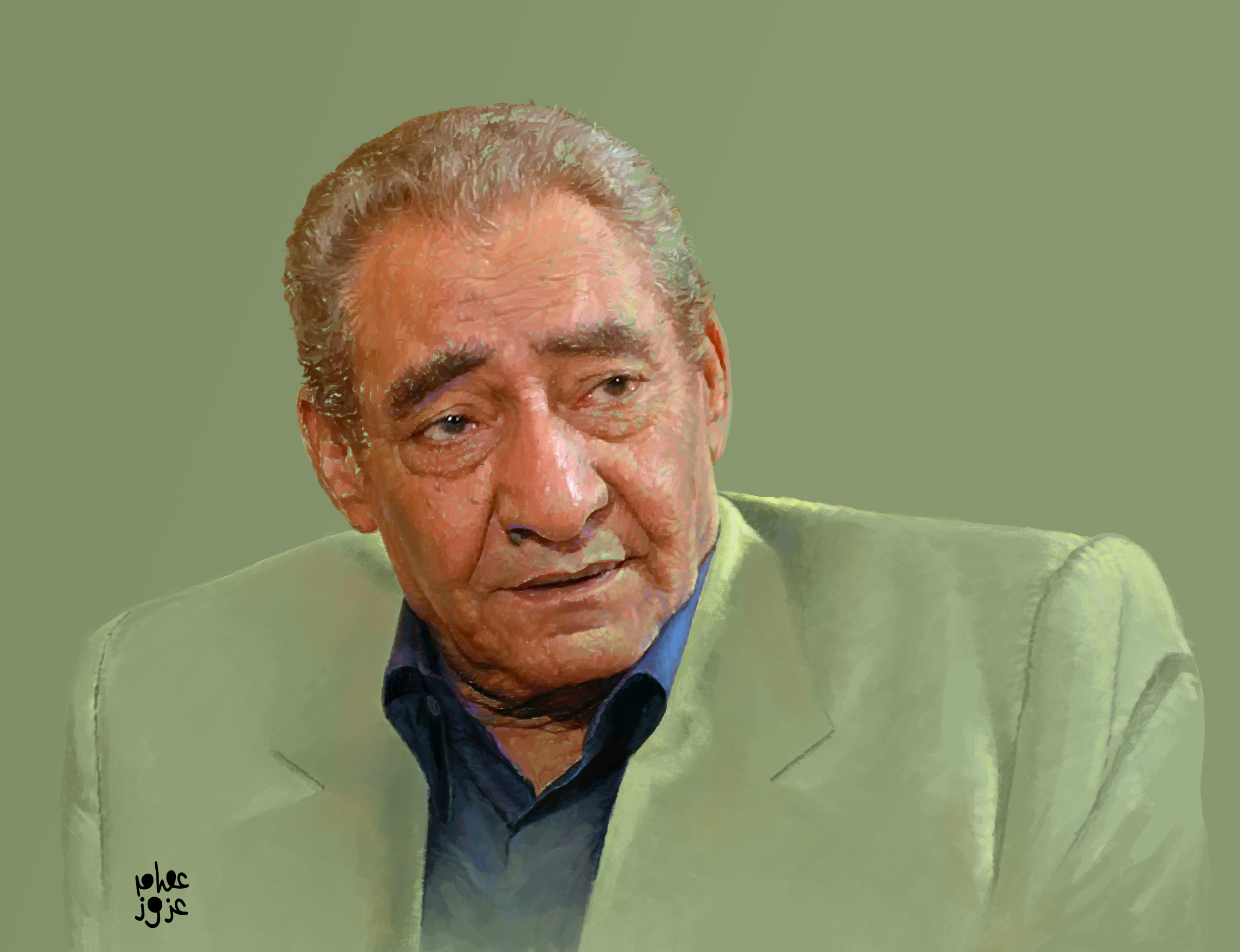
Abdel Rahman al-Abnudi†
Poet (Egypt-Sudan) • Sudan
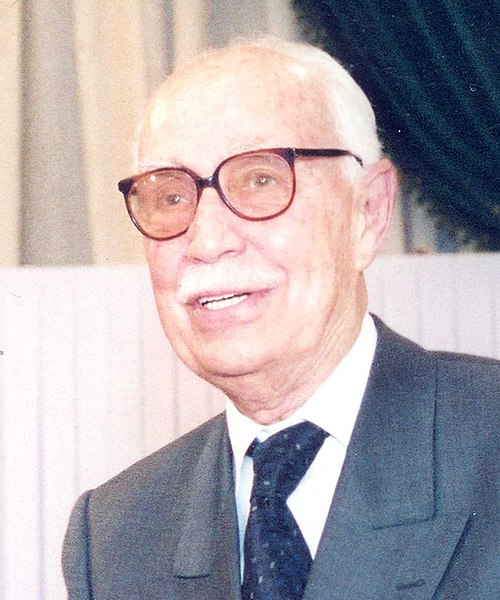
Abdelkrim Ghallab†
Novelist & Journalist • Morocco
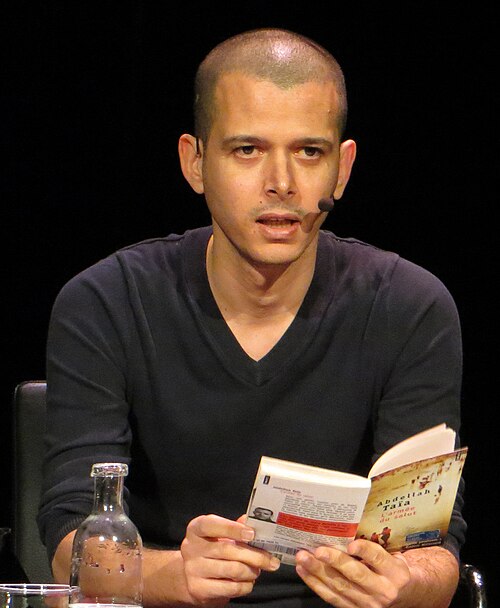
Abdellah Taïa
Novelist & Filmmaker • Morocco