$500K
Estimated Net Worth
As of 2024 • medium confidence
Financial Breakdown
Asset Distribution
Assets vs Liabilities
Assets
Disclaimer: These financial estimates are based on publicly available information and should be considered approximate. Last updated: 12/30/2025
Biography
Introduction: The Soldier-Turned-Statesman
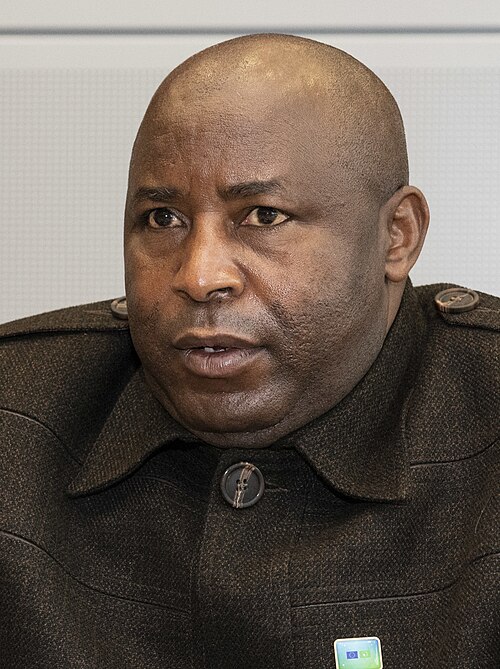
Évariste Ndayishimiye is a prominent figure in Burundian Politics & Government, serving as the nation's President since June 18, 2020. His ascent to the highest office in Burundi marks a significant chapter in the country's complex political landscape, emerging from a long and distinguished military career within the ruling CNDD-FDD party. Ndayishimiye's presidency followed a period of international tension and internal strife, and his tenure has been characterized by a focus on national unity, anti-corruption drives, and a cautious re-engagement with the global community. As the handpicked successor of the controversial President Pierre Nkurunziza, Évariste Ndayishimiye has navigated the challenges of leading a nation recovering from conflict, aiming to stabilize its economy and foster social cohesion. His leadership style, often described as more pragmatic and less isolationist than his predecessor's, has drawn both domestic support and international observation.
Early Life and Education
Évariste Ndayishimiye was born in 1968 in Gitega, the former colonial capital and now the political capital of Burundi. He hails from the commune of Giheta in Gitega Province. His early life was shaped by the recurrent ethnic and political violence that plagued the nation. He pursued his secondary education at the Petit Séminaire de Mugera before enrolling at the University of Burundi to study law. However, his academic path was brutally interrupted by the catastrophic events of 1993, following the assassination of the country's first democratically elected Hutu president, Melchior Ndadaye.
This assassination triggered a civil war that would last over a decade, claiming hundreds of thousands of lives. Like many young Hutu men at the time, Ndayishimiye fled the ensuing violence and persecution. He joined the CNDD-FDD (National Council for the Defense of Democracy–Forces for the Defense of Democracy), a Hutu-dominated rebel movement that was fighting the Tutsi-led army. His formative years were thus defined not in lecture halls, but in the bush as a soldier. This experience forged his identity and his deep ties to the ruling party's core structures. After the war, he completed his law degree, blending his hard-earned military credentials with formal legal training—a combination that would prove pivotal for his future role in Burundi's Executive Presidency.
Career and Major Achievements
Ndayishimiye's career is intrinsically linked to the rise of the CNDD-FDD from a rebel group to the dominant political force in Burundi.
Military and Political Ascent
Within the CNDD-FDD, Ndayishimiye rose through the ranks, earning a reputation for discipline and loyalty. Following the 2003 peace agreements and the group's transition to a political party, he seamlessly moved into state security apparatus roles. He held several key positions that placed him at the heart of power:
- Military Advisor to President Pierre Nkurunziza.
- Deputy Chief of Staff for the Burundian National Defense Force.
- Minister of the Interior (2006–2007).
- Secretary-General of the CNDD-FDD party.
His role as Minister of the Interior was particularly significant, giving him extensive experience in domestic security and governance. For over a decade, he was considered a close confidant and insider within Nkurunziza's circle.
Path to the Presidency
In January 2020, in a move that surprised some observers, President Nkurunziza announced he would not seek another term. The CNDD-FDD swiftly nominated Évariste Ndayishimiye as its presidential candidate. His nomination was seen as a strategic choice to maintain the party's control while potentially offering a "fresh" face. He won the presidential election held on May 20, 2020, with 71.45% of the vote, though the election was contested by opposition groups and held under conditions criticized by international observers.
President Nkurunziza's sudden death in June 2020, just before the end of his term, accelerated the transition. Évariste Ndayishimiye was sworn in as President of Burundi on June 18, 2020, two months earlier than scheduled.
Key Policies and Governance
Since taking office, President Ndayishimiye has initiated several policy shifts:
- Anti-Corruption Drive: He launched a highly publicized campaign against graft, leading to the arrest of several high-profile officials, including former president Pierre Nkurunziza's personal assistant and other senior figures. This "clean hands" operation has been a central theme of his presidency.
- Social Cohesion and Unity: He has consistently preached a message of national unity, urging Burundians to move beyond ethnic divisions, a legacy of the civil war.
- Foreign Policy Re-engagement: Contrasting with Nkurunziza's isolationist stance, Ndayishimiye has sought to mend ties with regional neighbors and international partners. Burundi rejoined the East African Community (EAC) and has engaged with the European Union and other donors.
- Infrastructure and Agriculture: His government has emphasized road construction and agricultural development as pillars for economic growth, often participating in communal work (umuganda) to lead by example.
Despite these steps, challenges remain, including concerns over human rights, political space, and a struggling economy heavily dependent on agriculture.
Personal Life and Legacy
Évariste Ndayishimiye is known for a personal style that contrasts with the flamboyance of his predecessor. He is often described as reserved, disciplined, and deeply religious. A devout Catholic, he frequently references his faith in public speeches. He is married to Angeline Ndayubaha, and together they have several children. His personal narrative as a former refugee and soldier who rose to the presidency is a powerful part of his public image, resonating with many Burundians who lived through the nation's conflicts.
In terms of legacy, Évariste Ndayishimiye is still shaping his place in Burundi's history. His early legacy is defined by the attempt to transition from a post-conflict, often authoritarian model under Nkurunziza to a state focused on governance and development. His anti-corruption campaign, if sustained and applied impartially, could mark a significant shift in political culture. Furthermore, his efforts to bring Burundi back into the regional and international fold are crucial for the country's economic prospects. Whether he will be remembered as a leader who consolidated peace and fostered genuine democratic progress, or as a figure who maintained the status quo under a new guise, will depend on the trajectory of his full term and any subsequent terms in office.
Net Worth and Business
As is common with many high-ranking officials in Politics & Government worldwide, the precise details of Évariste Ndayishimiye's personal net worth are not publicly disclosed. Burundian presidents receive a state salary and benefits, but comprehensive public asset declarations are not a standardized practice. Unlike some political figures in the region, Ndayishimiye is not widely known to have significant private business ventures or holdings separate from his political career. His financial profile appears to be primarily tied to his long tenure in the military and state positions. Any discussion of wealth in the context of the Executive Presidency in Burundi is often intertwined with broader questions about state resources and governance, a issue his own anti-corruption drive seeks to address. Therefore, while he leads the nation, his personal net worth remains a private matter, with no credible independent estimates available in the public domain.
This biography is based on reporting from credible international news agencies and political analyses of the Great Lakes region, including sources like BBC News, Reuters, and Africa Confidential.
Net Worth Analysis
As a long-time military officer and state official in one of the world's poorest countries, his wealth is not publicly documented and is presumed to stem from salary and benefits, not major private business holdings.
Quick Stats
Related People
Aaron Motsoaledi
LP; Minister of Home Affairs
Abane Ramdane†
FLN Leader & Strategist
Abdalla Hamdok
Ex-Prime Minister
Abdallah Kigoda
Ex-Minister of Natural Resources