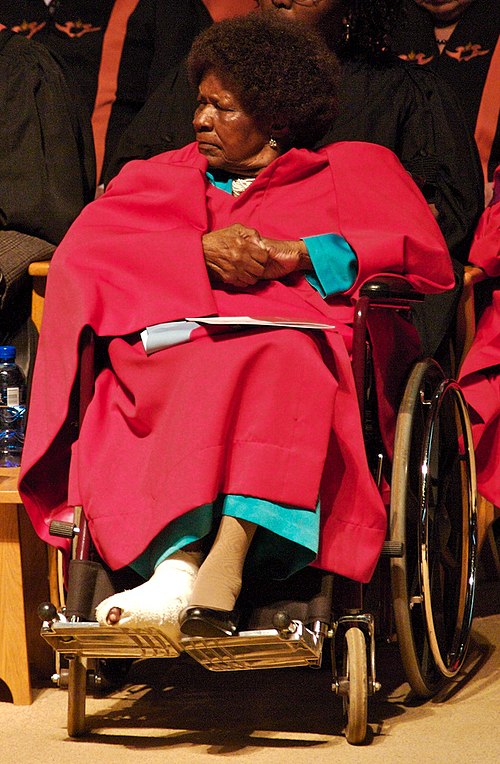
Biography
Introduction: The Architect of the Struggle
Walter Max Ulyate Sisulu (1912-2003) stands as one of the most pivotal and revered figures in the history of South Africa's fight against apartheid. While often described in the shadow of his protégé, Nelson Mandela, Walter Sisulu was, in fact, the foundational rock upon which much of the modern liberation movement was built. His roles as a key strategist, a unifying force within the African National Congress (ANC), and a mentor to Mandela cemented his legacy as an indispensable leader. A member of the ANC's National Executive Committee (EC) for decades and a co-accused in the historic Rivonia Trial, his most profound achievement was his unwavering commitment to non-racialism and his strategic genius in rebuilding the ANC into a mass-based, disciplined liberation movement. His life's work, marked by 26 years of imprisonment, was instrumental in dismantling the oppressive Politics & Government structures of apartheid South Africa.
Early Life & Education: Forging Resilience
Walter Sisulu was born on May 18, 1912, in the small village of Ngcobo, in the Transkei region (now Eastern Cape). His background was unique among Black leaders of his generation; his mother was a Xhosa domestic worker, and his father was a white foreman, though Walter was raised primarily by his uncle. This mixed-race heritage gave him a personal insight into the arbitrary and cruel nature of racial classification. His formal education was limited; he left school after Standard IV (Grade 6) due to family financial constraints, a fact that later fueled his passion for self-education and intellectual development within the movement.
In 1928, at age 16, he moved to Johannesburg, a migration that shaped his political consciousness. He experienced firsthand the brutal realities of migrant labor, working in a range of demanding jobs—from a miner in the gold reefs to a kitchen worker and a factory hand. These formative years exposed him to the systemic exploitation of Black South Africans. He later worked as a clerk in a law firm, where he honed his administrative skills, and became an active trade unionist. The poverty, racial discrimination, and the 1946 African Mine Workers' Strike were critical catalysts, transforming Walter Sisulu from a worker seeking survival into a dedicated activist seeking systemic change.
Career & Major Achievements: Strategist and Unifier
Walter Sisulu's political career began in earnest with his membership in the ANC in 1940. His natural leadership and organizational prowess saw him rise rapidly. Together with Oliver Tambo and Nelson Mandela, he was a founding member of the ANC Youth League (ANCYL) in 1944, serving as its treasurer. The Youth League's 1949 Programme of Action, which advocated for mass mobilization, boycotts, and strikes, was largely driven by Sisulu's strategic thinking and marked a decisive turn in the ANC's history from a petitioning body to a protest movement.
Rebuilding the ANC and the M-Plan
In 1949, Walter Sisulu was elected as the first full-time Secretary-General of the ANC, a position he used to revolutionize the party's structure. Recognizing the need for a resilient organization that could withstand state repression, he conceived and implemented the M-Plan (Mandela Plan), a cell-based structure designed to facilitate underground operations. This was a masterstroke in organizational development, ensuring the ANC's survival after it was banned in 1960. His ability to identify and nurture talent was legendary; he famously brought the young, fiery Nelson Mandela into the Youth League's fold, guiding his political development and cementing a lifelong partnership where Sisulu was the strategist and mentor to Mandela.
Defiance, Treason, and Rivonia
Sisulu was a chief organizer of the 1952 Defiance Campaign, which saw over 8,000 volunteers deliberately break apartheid laws. He was arrested, and in 1953, he became one of the first activists to be banned under the Suppression of Communism Act. Despite restrictions, his influence grew. He was a defendant in the marathon Treason Trial (1956-1961), which ended in acquittal for all. As state violence intensified, Sisulu, as a key member of the ANC's National Executive Committee (EC), supported the formation of Umkhonto we Sizwe (MK) in 1961. His underground activities led to his arrest in 1963 at the Liliesleaf Farm in Rivonia. At the ensuing Rivonia Trial, he delivered a powerful speech from the dock, affirming his commitment to a democratic, non-racial South Africa. In June 1964, he was sentenced to life imprisonment alongside Mandela and others, and sent to Robben Island.
The Prison Years and Negotiations
During his 26 years of incarceration, 25 of them on Robben Island, Walter Sisulu remained a central moral and political authority. Dubbed the "father of all prisoners," he mediated disputes and led the "University of Robben Island," where older leaders educated younger inmates. His release on October 15, 1989, was a strategic move by the apartheid government and signaled the impending end of the struggle. Immediately upon release, he plunged back into work, playing a crucial role in steering the ANC through the complex negotiations that led to the unbanning of liberation movements and the first democratic elections in 1994.
Personal Life & Legacy: The Quiet Revolutionary
In 1944, Walter Sisulu married the formidable nurse and activist Albertina Thetiwe. Their partnership was a cornerstone of the struggle; while Walter was imprisoned, Albertina led the struggle externally, facing constant harassment. The Sisulu home in Orlando, Soweto, was a hub of political activity and a sanctuary for activists. Walter was a devoted family man, and his relationship with his children, despite his long absence, remained strong. He was known for his humility, deep listening, and unwavering calm—a contrast to more fiery personalities. His personal integrity and lack of personal ambition for office (he declined a senior government position post-1994) earned him universal respect across political divides.
The legacy of Walter Sisulu is profound. He is remembered as the mentor to Mandela and an architect of modern South Africa. His belief in non-racialism, his strategic acumen with the M-Plan, and his moral fortitude set the ethical and operational standards for the liberation movement. The Walter Sisulu Botanical Gardens, Walter Sisulu University, and countless streets and institutions bear his name. More importantly, his spirit of selfless service and unity remains a guiding principle for the nation he helped to free.
Net Worth & Post-Liberation Life
Unlike many liberation figures who later engaged in business, Walter Sisulu lived a life of notable material modesty. He was not known for business ventures or personal wealth accumulation. His life before, during, and after imprisonment was dedicated entirely to political struggle and public service. Following his release and the democratic transition, he lived comfortably but without ostentation, supported by his position as a respected elder statesman and likely a pension from the ANC and later the state. His "wealth" was measured in respect, moral authority, and the immense social capital he held as one of the principal founders of democratic South Africa. He passed away on May 5, 2003, in Johannesburg, leaving behind no corporate empire, but a nation profoundly indebted to his sacrifice and vision.
Key Facts & Timeline
- Born: May 18, 1912, Ngcobo, Transkei.
- Joined ANC: 1940.
- Co-founded ANC Youth League: 1944.
- Elected ANC Secretary-General: 1949.
- Architect of the M-Plan: Early 1950s.
- Rivonia Trial Sentence: Life imprisonment, June 1964.
- Released from Prison: October 15, 1989.
- Passed Away: May 5, 2003, Johannesburg.
- Awards: Isitwalandwe/Seaparankoe (the ANC's highest honor).
For further reading on his life and times, credible sources include the South African History Online archive and the Nelson Mandela Foundation.
Net Worth Analysis
Walter Sisulu was an anti-apartheid activist and political leader, not a business figure, and passed away in 2003. His legacy is not associated with personal wealth accumulation.
Quick Stats
Related People
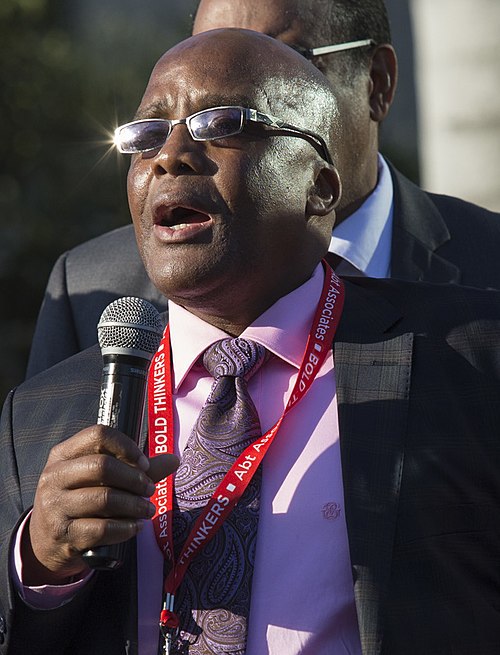
Aaron Motsoaledi
LP; Minister of Home Affairs
Abane Ramdane†
FLN Leader & Strategist
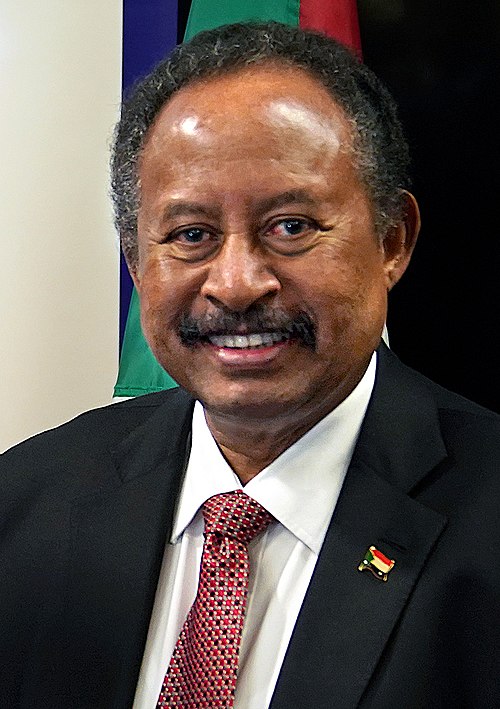
Abdalla Hamdok
Ex-Prime Minister
Abdallah Kigoda
Ex-Minister of Natural Resources