$5M
Estimated Net Worth
As of 2024 • medium confidence
Financial Breakdown
Asset Distribution
Assets vs Liabilities
Assets
Disclaimer: These financial estimates are based on publicly available information and should be considered approximate. Last updated: 12/29/2025
Biography
Introduction: The Hustler-in-Chief
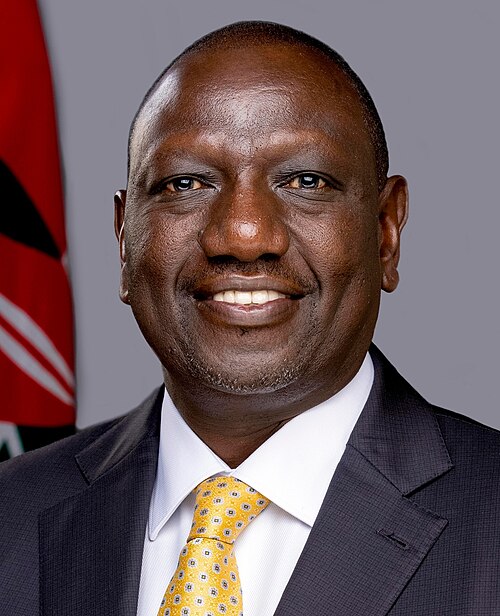
William Samoei Ruto is the fifth and current President of Kenya, having ascended to the nation's highest office on September 13, 2022, following a fiercely contested general election. His rise from a modest background to the pinnacle of Politics & Government in Kenya is a central narrative of his political identity, often framed as a journey from "hustler" to statesman. William Ruto's presidency is defined by his signature "Bottom-Up Economic Transformation Agenda," a populist model aimed at empowering the common citizen, or "hustler," by shifting economic focus from a trickle-down approach to investing in micro, small, and medium enterprises. His entry into State House marked a significant shift in Kenya's political landscape, cementing his role as a formidable and transformative figure in the nation's executive presidency.
Early Life and Education: Forging a Path from Sugoi
William Samoei Ruto was born on December 21, 1966, in Sambut village, near Kamagut in Uasin Gishu County, Kenya. He was raised in a humble, agricultural family within the Kalenjin community. His early life was characterized by the typical rural Kenyan experience, involving chores and selling farm produce by the roadside—an experience he frequently references to connect with his "hustler" base. This formative period instilled in him a strong work ethic and a firsthand understanding of the economic struggles facing ordinary Kenyans.
Academic Pursuits and Early Influences
Ruto's academic journey began at Kerotet Primary School and later Wareng Secondary School. He excelled academically and proceeded to the University of Nairobi in 1986, where he studied Botany and Zoology, graduating with a Bachelor of Science degree in 1990. His foray into leadership began at the university, where he served as the chairman of the influential Students Organization of Nairobi University (SONU). This platform thrust him into student politics and activism during the clamor for multi-party democracy in the late 1980s, providing an early apprenticeship in mobilization and oratory. He later earned a Master of Science degree in Plant Ecology (1993) and a PhD in Plant Ecology (2018) from the same university, making him one of the most academically credentialed presidents in Kenya's history.
Career and Major Achievements: A Meteoric Rise in Kenyan Politics
The political career of William Ruto is a study in strategic evolution and resilience. He entered formal politics in 1997, successfully vying for the Eldoret North parliamentary seat. His political acumen saw him hold significant ministerial portfolios across different administrations, navigating the complex tides of Kenyan politics.
Ministerial Tenure and Political Alliances
After the 2002 election, Ruto became a key figure in the opposition. His political trajectory changed dramatically in 2007 when he allied with incumbent President Mwai Kibaki, playing a crucial role in Kibaki's re-election campaign. This alliance earned him the powerful position of Minister for Agriculture (2008-2010) and later Minister for Higher Education (2010-2011). However, his most prominent and controversial role was as Deputy President. In 2013, he forged a strategic alliance with Uhuru Kenyatta under The National Alliance (TNA) and United Republican Party (URP) coalition, famously known as the "Jubilee Alliance." This alliance, which brought together the country's two largest voting blocs, was victorious, and William Ruto was sworn in as Deputy President on April 9, 2013. He served two full terms in this role until 2022.
Ascension to the Presidency and Key Policies
The 2022 presidential election was a defining moment. Falling out with his former ally President Kenyatta, Ruto rebranded himself as the champion of the economically disadvantaged, opposing the "dynasties" of Kenyan politics. Running under the Kenya Kwanza coalition, he defeated his main rival, Raila Odinga, with 50.5% of the vote. His major achievements and ongoing initiatives as President of Kenya include:
- The Bottom-Up Economic Model (BETA): The cornerstone of his administration, focusing on affordable housing, universal healthcare, agricultural transformation, and support for micro-businesses.
- Digital Transformation: Spearheading the rollout of a digital public infrastructure framework to enhance government service delivery.
- Foreign Policy Re-alignment: Adopting a more assertive, pan-Africanist stance, advocating for the removal of visa restrictions within the African continent and championing African solutions to continental issues.
- Climate Action Leadership: Positioning Kenya as a global leader in climate change, notably by hosting the inaugural Africa Climate Summit in Nairobi in September 2023.
- Constitutional Implementation: Overseeing the implementation of the Third Basis for Revenue Sharing among counties and fulfilling two-thirds gender rule appointments in his cabinet.
Personal Life, Philanthropy, and Legacy
William Ruto is a devoted family man and a practicing Christian. He is married to Rachel Ruto, an advocate for women's empowerment and environmental conservation, and together they have six children. His personal faith is a public aspect of his life, often invoking religious references in his speeches. Outside of politics, he is known to be an avid reader and enjoys playing volleyball.
Philanthropy and the William Ruto Foundation
His philanthropic endeavors are channeled through the William Ruto Foundation, which focuses on education, healthcare, and economic empowerment in marginalized communities. The foundation has been instrumental in providing scholarships, building educational institutions, and supporting health facilities across Kenya. This work, though sometimes viewed through a political lens, has contributed to his grassroots support, particularly in his Rift Valley political base and beyond.
Shaping a Lasting Legacy
The legacy of William Ruto is still being written. He aims to be remembered as the president who economically emancipated the common "hustler" and transformed Kenya's economic structure. His legacy will likely be judged on the success of his Bottom-Up model in creating tangible wealth and jobs, his handling of Kenya's substantial public debt, and his role in shaping a more integrated and assertive Africa on the world stage. His journey continues to be a central and polarizing story in the nation's political evolution.
Net Worth and Business Ventures
The net worth of President William Ruto has been a subject of much public discussion and scrutiny. He has declared substantial wealth in his filings with the Ethics and Anti-Corruption Commission (EACC). His financial portfolio is diverse, built over decades through agriculture, real estate, and investments in the education sector. Key business interests include:
- Weston Hotel: A landmark hotel in Nairobi whose ownership of the land has been under legal scrutiny.
- Extensive Real Estate: A significant portfolio of commercial and residential properties across Kenya.
- Agricultural Enterprises: Large-scale farming operations, particularly in maize and dairy, in the Rift Valley region.
- Education Sector Investments: Ownership of schools and involvement in educational institutions.
While exact figures are debated, his declared wealth places him among the wealthiest individuals in Kenyan politics. President Ruto often frames his business success as a testament to the "hustler" spirit he promotes, presenting himself as a self-made man. His financial journey remains intertwined with his political narrative, symbolizing both aspiration and controversy in the Kenyan public sphere.
Net Worth Analysis
President Ruto's wealth is not listed on major billionaire indexes; his declared assets and known income are consistent with a multi-millionaire status from his political career and previous roles.
Quick Stats
Related People
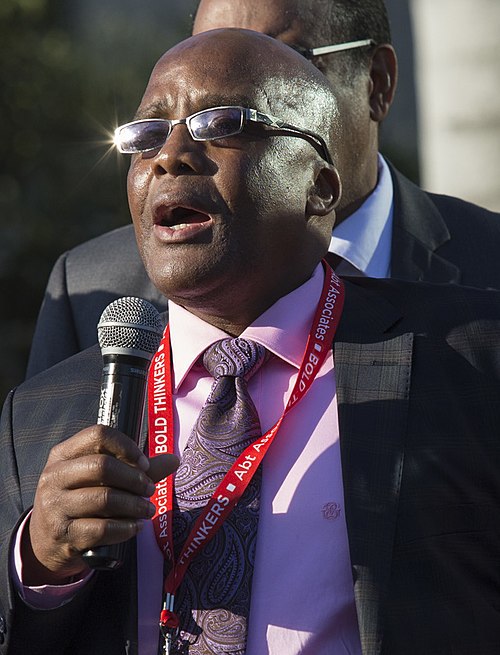
Aaron Motsoaledi
LP; Minister of Home Affairs
Abane Ramdane†
FLN Leader & Strategist
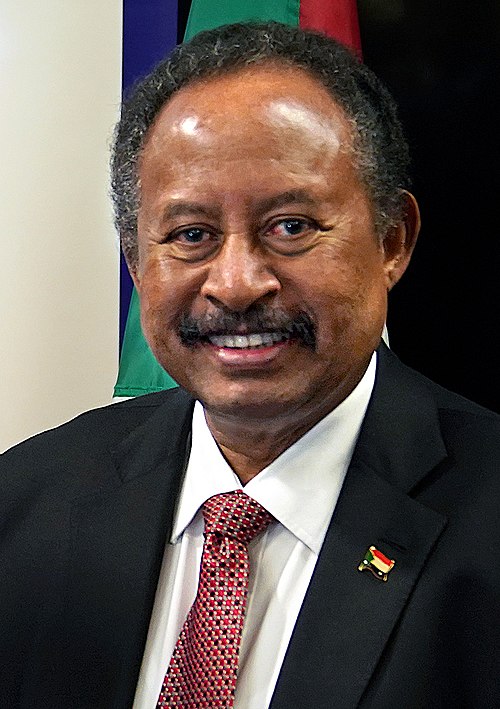
Abdalla Hamdok
Ex-Prime Minister
Abdallah Kigoda
Ex-Minister of Natural Resources