$10M
Estimated Net Worth
As of 2024 • medium confidence
Financial Breakdown
Asset Distribution
Assets vs Liabilities
Assets
Disclaimer: These financial estimates are based on publicly available information and should be considered approximate. Last updated: 12/31/2025
Biography
Introduction: The Voice of a Continent
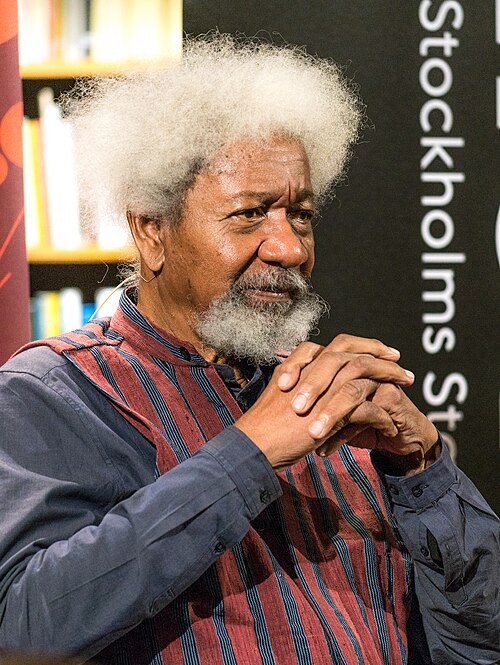
Wole Soyinka stands as a colossus in the world of Arts & Culture, a multifaceted genius whose voice has resonated from the heart of Nigeria to the global stage. Born Akinwande Oluwole Babatunde Soyinka in 1934, he is a playwright, poet, novelist, essayist, and a fearless political activist. His profound body of work, deeply rooted in Yoruba mythology and the socio-political realities of post-colonial Africa, has earned him the highest literary honor on earth. In 1986, Wole Soyinka made history by becoming the first African and the first Black writer to be awarded the Nobel Laureate in Literature. The Swedish Academy honored him for fashioning "the drama of existence" in a wide cultural perspective and with poetic overtones. More than just a literary figure, Soyinka embodies the conscience of his nation and continent, using his art as a potent weapon against tyranny and injustice.
Early Life & Education: Forging a Literary Path
Wole Soyinka was born on July 13, 1934, in Abeokuta, a city in southwestern Nigeria. He was raised in an Anglican family, with a father who was a headmaster and a mother who was a political activist and shopkeeper—a combination that perhaps foreshadowed his own blend of intellectual rigor and social engagement. The rich tapestry of Yoruba culture, its deities, festivals, and oral traditions, surrounded him from childhood and would become the foundational bedrock of his artistic imagination.
His academic brilliance was evident early. Soyinka attended the prestigious Government College in Ibadan and later University College Ibadan (now the University of Ibadan). In 1954, he moved to England to complete his studies in English literature at the University of Leeds. The vibrant intellectual and theatrical scene in post-war Britain proved formative. He worked as a play reader at the Royal Court Theatre in London, where his early plays, The Invention (1957) and The Swamp Dwellers (1958), were first performed. This period immersed him in European dramatic traditions, which he would later synthesize explosively with African performative styles. By the time he returned to Nigeria in 1960, the year of the country's independence, Soyinka was poised to become a defining voice of a new nation.
Career & Major Achievements: A Prolific and Courageous Oeuvre
Wole Soyinka's career is a monumental catalog of literary innovation and courageous activism. Upon returning home, he founded the theatre groups "The 1960 Masks" and later the "Orisun Theatre Company," dedicated to producing his works and fostering a new African theatre aesthetic. His early major plays, such as A Dance of the Forests (1960), which criticized the romanticized view of the African past, and The Lion and the Jewel (1963), a witty comedy, established his international reputation.
The Crucible of Conflict and Imprisonment
Soyinka's life took a dramatic turn during the Nigerian Civil War (1967-1970). His unwavering commitment to justice led him to attempt to broker peace and, famously, to seize a radio station to broadcast a message for a ceasefire. For this act, the military government imprisoned him for 22 months, most of which he spent in solitary confinement. This harrowing experience yielded one of his most powerful works: The Man Died: Prison Notes (1972), a searing prose account of his imprisonment, and the poetry collection A Shuttle in the Crypt (1972). His play Madmen and Specialists (1970) also bears the stark imprint of this period.
Nobel Accolade and Global Recognition
The 1986 Nobel Prize in Literature cemented Wole Soyinka's status as a global literary icon. The award recognized the breadth and depth of a career that already included:
- Masterful Plays: Including Death and the King's Horseman (1975), a tragic masterpiece exploring cultural collision and duty.
- Autobiographical Works: The acclaimed Aké: The Years of Childhood (1981), a vivid memoir of his early years.
- Incisive Essays & Poetry: Numerous collections critiquing political oppression, such as The Open Sore of a Continent (1996).
Post-Nobel, Soyinka's productivity never waned. He continued to write significant plays like King Baabu (2001), a satire on African dictatorship, and memoirs like You Must Set Forth at Dawn (2006). He has held academic positions at universities worldwide, including Cornell, Emory, and the University of Nevada, Las Vegas, influencing generations of scholars and writers.
Personal Life, Activism & Legacy
Wole Soyinka's personal life has been as dynamic as his public one. He has been married and divorced three times and is the father of several children. A man of varied interests, he is known for his love of music, from classical to African rhythms, and is a connoisseur of wine. His personality combines a formidable, sometimes intimidating, intellect with a renowned wit and charm.
Activism remains his lifelong vocation. He has been a persistent critic of successive corrupt and oppressive regimes in Nigeria, from the military dictatorships of the 1980s and 90s to more recent democratic governments, often putting himself at great personal risk. He went into voluntary exile several times and was charged with treason by the Sani Abacha regime in 1997. Beyond Nigeria, he has spoken out against injustices globally, including apartheid in South Africa and religious extremism.
The legacy of Wole Soyinka is multifaceted. He pioneered a unique dramatic language that brought African idioms and worldview to the forefront of world literature. As the first African Nobel Laureate in Literature, he opened doors for other writers from the continent. Perhaps most enduringly, he has demonstrated the irreducible role of the artist as society's critic and conscience, proving that the pen, wielded with courage and integrity, can be mightier than the sword.
Net Worth & Business Ventures
While Wole Soyinka's primary wealth is his intellectual and artistic capital, his career has also brought financial success. The exact figure of his net worth is not publicly disclosed and estimates vary, but it is widely believed to be in the range of several million dollars. This wealth is accrued from a lifetime of prolific output:
- Royalties & Publications: Sales from his vast catalog of plays, novels, poetry, and memoirs published worldwide and translated into numerous languages.
- Academic Appointments: Salaries from his prestigious professorships at universities across the globe.
- Speaking Engagements & Awards: Honoraria for lectures and the monetary prize associated with the Nobel Prize and other significant awards.
Soyinka has not been known for conventional business ventures. His "enterprise" is fundamentally cultural and intellectual. However, he has been involved in initiatives to support the arts and freedom of expression. Any financial resources he has are understood to support his lifestyle, his family, and his ongoing activism and literary projects. His true value, however, remains immeasurable in monetary terms, lying instead in his monumental contribution to world Arts & Culture and the relentless pursuit of justice.
Sources and further reading on Wole Soyinka's life and work can be found through the Nobel Prize official website, the BBC, and reputable literary archives documenting Nigerian and African literature.
Net Worth Analysis
Wole Soyinka is a renowned writer and intellectual, not a business magnate; his wealth stems from literary prizes, academic positions, and book royalties, placing him in the multi-millionaire range.
Quick Stats
Related People
Abasse Ndione
Novelist & Playwright
Abdel Rahman al-Abnudi†
Poet (Egypt-Sudan)
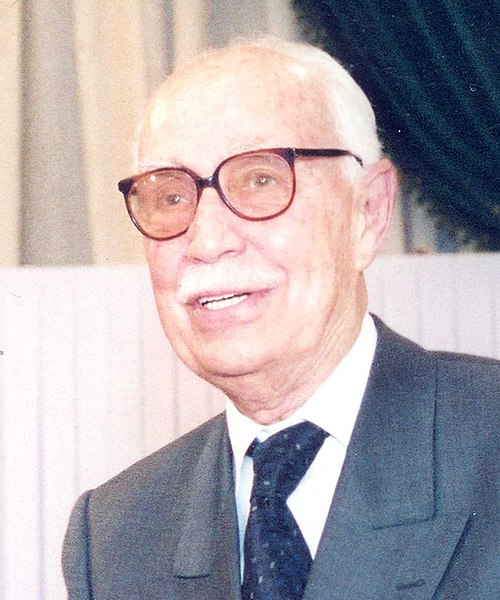
Abdelkrim Ghallab†
Novelist & Journalist
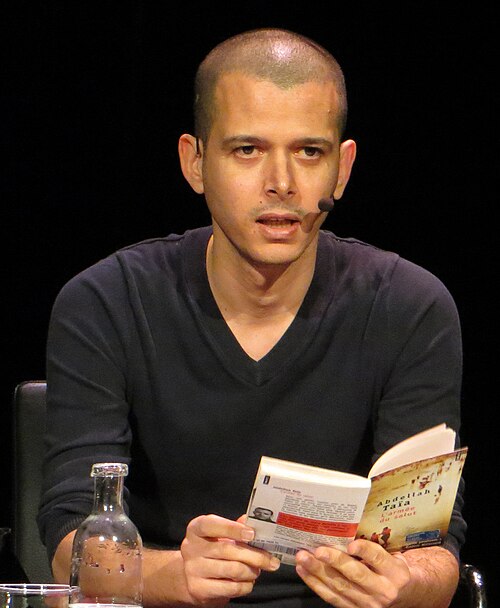
Abdellah Taïa
Novelist & Filmmaker