Biography
Athmane Tartag: The Enigmatic Power Broker of Algerian Military Intelligence
Athmane Tartag, born in 1950, is a highly influential and enigmatic figure within the Politics & Government sector of Algeria, specifically within the elite echelons of its military and security apparatus. As a career military officer, Tartag is most notably recognized for his long-standing tenure at the helm of the Department of Intelligence and Security (DRS), Algeria’s powerful and often opaque intelligence service. For decades, he operated as a shadowy gatekeeper of state power, overseeing the country’s internal security, counter-terrorism efforts, and political surveillance. His key achievement lies in navigating the complex and often violent transitions of Algerian politics, including the tumultuous period of the Algerian Civil War and the subsequent consolidation of power under President Abdelaziz Bouteflika. Tartag’s career represents the enduring influence of the "military-political complex" in Algeria, making him a subject of intense interest for analysts of North African governance and security. He is a figure whose quiet authority and strategic maneuvering have shaped the nation’s recent history, embodying the deep-seated power of the military intelligence establishment.
Early Life & Education
Born in 1950 in the Kabylie region of northern Algeria, Athmane Tartag came of age during a period of profound national transformation. His formative years were shaped by the brutal Algerian War of Independence (1954-1962) and the subsequent nation-building efforts of the post-colonial state. While specific details of his early education remain scarce—a common characteristic for figures within the secretive DRS—it is known that he pursued a military career from a young age. He was a product of the rigorous Soviet-influenced training that characterized the Algerian military academy system in the 1960s and 1970s.
His education was not merely academic but deeply ideological, instilling a sense of duty to the state and the ruling National Liberation Front (FLN). Tartag’s formative experiences included training in counter-insurgency and intelligence operations, skills that would become critical during the 1990s. The political upheavals of the 1980s, including the 1988 October Riots, likely shaped his worldview, reinforcing the military’s self-perception as the ultimate guarantor of stability in Algeria. Unlike many of his contemporaries who sought political limelight, Tartag’s early career was marked by a quiet, methodical ascent through the ranks, focusing on technical intelligence and security protocol rather than public command. This low-profile approach, combined with a reputation for absolute discretion and loyalty, made him an ideal candidate for the shadowy world of military intelligence.
Career & Major Achievements
The career of Athmane Tartag is synonymous with the modern history of the Department of Intelligence and Security (DRS). He rose to prominence during the "Black Decade" of the Algerian Civil War (1991-2002), a period of extreme violence between the state and Islamist insurgents. As a senior officer within the DRS, Tartag was instrumental in developing and executing the state’s counter-terrorism strategy. His work involved coordinating intelligence, running networks of informants, and managing operations that, while controversial for their human rights implications, were credited with ultimately dismantling the armed Islamist groups.
Rise to the Top of the DRS
Tartag’s major breakthrough came in the 2000s when he was appointed as the head of the DRS’s internal security division. In this role, he was effectively the second-in-command to the feared intelligence chief, General Mohamed "Toufik" Mediène. For nearly two decades, Tartag served as Mediène’s loyal and efficient deputy, overseeing the daily operations of the vast intelligence network. His key achievement during this era was maintaining the DRS’s institutional coherence and power, even as it faced political challenges and internal purges. He was the operational brain behind the "system," ensuring the military’s grip on key economic sectors, including Sonatrach, the state-owned oil and gas giant.
The Bouteflika Era and the "Shadow President"
During the long illness of President Abdelaziz Bouteflika (2013-2019), Athmane Tartag emerged from the shadows to become one of the most powerful men in Algeria. When the DRS was formally restructured and renamed the Directorate of Services and Security (DSS) in 2016, Tartag was appointed as its head, effectively becoming the country’s top intelligence officer. He was widely viewed as the "shadow president," a kingmaker who controlled the flow of information to the ailing leader and managed the security of the state. His role was critical in managing the succession crisis and the political maneuvering of Bouteflika’s inner circle, including his brother Saïd Bouteflika and business oligarchs. Tartag’s power was such that he was a central figure in the 2019 Hirak protest movement, where the military ultimately forced Bouteflika to resign. However, Tartag himself was arrested in 2019 on charges of "conspiracy against state authority" and "undermining military authority," a dramatic fall from grace orchestrated by the new military leadership under General Ahmed Gaïd Salah.
Impact on Algerian Security
Tartag’s legacy in the Politics & Government sphere is complex. He is credited with professionalizing Algerian intelligence and creating a formidable counter-terrorism apparatus that protected the state from insurgency. His network was essential for regional stability, cooperating with Western intelligence agencies on issues of jihadism in the Sahel. However, his career also epitomizes the deep state’s control over Algerian democracy, using surveillance and coercion to suppress dissent. His arrest in 2019 marked a historic shift, signaling the military’s desire to dismantle the old DRS power structure and project a new image of institutional control.
- Deputy Head of DRS: Served as the right-hand man to General Mohamed Mediène for over 15 years.
- Head of DSS: Appointed as the director of Algeria’s restructured intelligence service in 2016.
- Counter-Terrorism Architect: Key strategist in the state’s victory over Islamist insurgency during the 1990s and 2000s.
- Political Kingmaker: Played a crucial role in the final years of the Bouteflika presidency, managing state security and political succession.
Personal Life & Legacy
True to his nature as a secretive intelligence officer, very little is publicly known about the personal life of Athmane Tartag. He has maintained a near-total media blackout, with no known interviews or public appearances outside of official military functions. He is known to be married and has children, but their identities are shielded from public view. Unlike many Algerian generals, he was not known for ostentatious displays of wealth or public philanthropy. His life was his work, dedicated to the machinery of the state.
His legacy is deeply contested. To some within the security establishment, he is a patriot who held the line against chaos and terrorism. To his critics, he represents the worst of the authoritarian "pouvoir" (the power structure) that has stifled Algeria’s political and economic development. His arrest and subsequent trial in 2019-2020, where he was sentenced to 15 years in prison, represents a watershed moment in Algerian history. It signals the end of an era where the intelligence service operated as a state within a state. Tartag’s legacy is now a cautionary tale about the perils of absolute power within the military, and his downfall has reshaped the balance of power in Algeria’s Politics & Government landscape.
Net Worth & Business
Estimating the net worth of Athmane Tartag is challenging due to the opaque nature of military and state finances in Algeria. As the head of the DRS/DSS, he oversaw a vast economic empire that included stakes in state-owned enterprises, private security firms, and lucrative import-export licenses. The DRS historically controlled a significant portion of the economy, often referred to as "the mafia of the generals."
While Tartag himself was not known for founding private companies, his power derived from his ability to allocate resources and protection. His financial context is tied to the "system" of rent-seeking that surrounded Sonatrach and other state monopolies. During his corruption trial in 2020, prosecutors alleged that he had accumulated significant wealth through illicit means, including foreign bank accounts and real estate holdings. However, specific figures remain unverified. It is widely accepted that his influence, rather than personal accumulation of cash, was his primary currency. His fall from grace has led to the dismantling of many of these economic networks, marking a significant shift in the business dynamics of Algeria’s military elite.
Financial Breakdown
Net Worth Analysis
Athmane Tartag is a retired Algerian military officer and former head of intelligence, with no public evidence of significant personal wealth beyond standard pensions and assets for a senior state official.
Frequently Asked Questions
What is Athmane Tartag's estimated net worth?
Athmane Tartag has an estimated net worth of R 8.1 Million.
What is Athmane Tartag's role and nationality?
Athmane Tartag is a military officer from Algeria.
How did Athmane Tartag make their money?
Athmane Tartag built their fortune primarily through Athmane Tartag is a retired Algerian military officer and former head of intelligence, with no public evidence of significant personal wealth beyond standard pensions and assets for a senior state official..
How old is Athmane Tartag?
Athmane Tartag was born in 1950 (76 years old).
Related Personalities
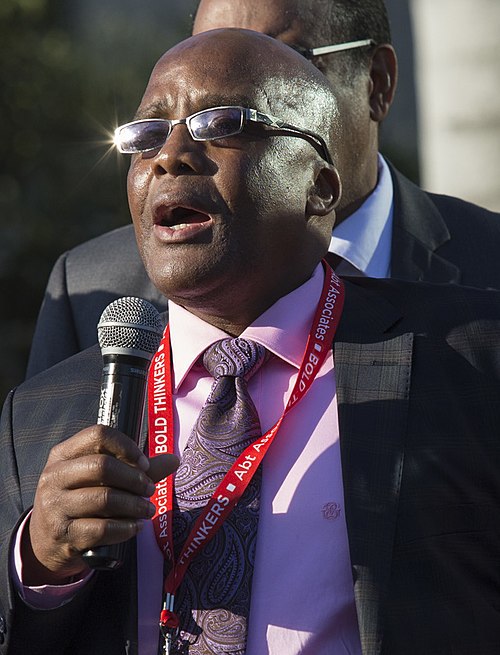
Aaron Motsoaledi
LP; Minister of Home Affairs • South Africa
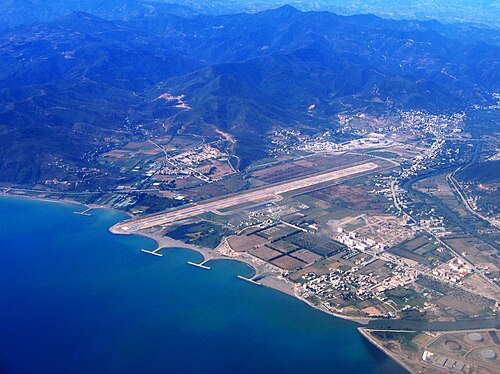
Abane Ramdane†
FLN Leader & Strategist • Algeria
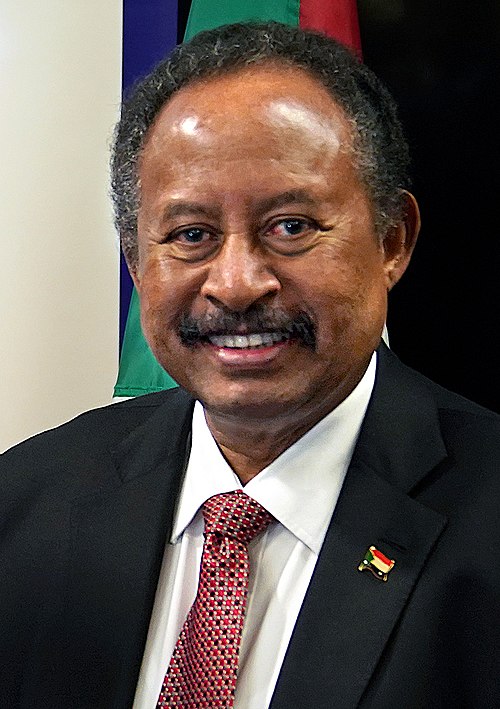
Abdalla Hamdok
Ex-Prime Minister • Sudan
Abdallah Kigoda
Ex-Minister of Natural Resources • Tanzania