Financial Breakdown
Asset Distribution
Assets vs Liabilities
Assets
Liabilities
Disclaimer: These financial estimates are based on publicly available information and should be considered approximate. Last updated: 8/1/2026
Biography
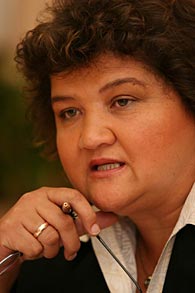
Lynne Brown: A Pioneering Force in South African Politics & Government
Lynne Brown is a distinguished South African politician and a trailblazing figure in the nation's Politics & Government sector. Serving with distinction in the Executive Cabinet under President Jacob Zuma, she made history as the first openly gay member of the South African Cabinet. As the Minister of Public Enterprises from 2014 to 2019, Lynne Brown oversaw the country’s most critical state-owned enterprises, including Eskom, Transnet, and Denel. Her tenure was marked by navigating the complex landscape of energy crises and corporate governance challenges. Born in 1961, Brown’s career is a testament to resilience, progressive leadership, and a deep commitment to public service. Her journey from local governance to the highest echelons of national power makes her a significant figure in modern South African history, embodying the post-apartheid era’s push for diversity and inclusion in the Executive Cabinet.
Early Life & Education
Born in 1961 in the Western Cape, Lynne Brown grew up during the height of the apartheid era, an experience that profoundly shaped her political consciousness. She was raised in a working-class family in Cape Town, where she witnessed firsthand the systemic inequalities enforced by the National Party government. This formative environment instilled in her a strong sense of social justice and a desire to challenge the status quo.
Brown pursued her higher education at the University of the Western Cape (UWC), a historically black university known for its anti-apartheid activism and academic rigor. She earned a Bachelor of Arts degree, followed by a Higher Education Diploma. Her time at UWC was transformative, exposing her to radical political thought and the struggles of the liberation movement. She later furthered her studies with a post-graduate diploma in Education Management and a certificate in Project Management. These academic credentials provided her with the theoretical foundation and managerial skills necessary for her future roles in Politics & Government. Her early career was spent as a teacher and later as a school principal, where she developed a reputation for strong leadership and community engagement, skills that would later define her approach as a minister.
Career & Major Achievements
Rise Through Local Government
Lynne Brown began her political career in local government, serving as a councilor in the City of Cape Town. Her dedication and administrative acumen quickly saw her rise through the ranks of the African National Congress (ANC). She was elected as the Speaker of the Cape Town City Council, a role in which she was praised for her impartiality and ability to manage a highly diverse and often fractious political body. Her success in local government led to her appointment to the Western Cape Provincial Parliament, where she served as the provincial Minister of Local Government and Housing. In this capacity, she oversaw major housing delivery projects and urban development initiatives, working to address the housing backlog left by decades of apartheid spatial planning.
National Executive Cabinet Role
In May 2014, President Jacob Zuma appointed Lynne Brown as the Minister of Public Enterprises, a portfolio widely considered one of the most challenging in the Executive Cabinet. She took the helm of a portfolio responsible for the oversight of Eskom (electricity utility), Transnet (freight and logistics), Denel (defence equipment), South African Airways (SAA), and Broadband Infraco. Her tenure was dominated by the severe energy crisis that gripped South Africa, characterized by rolling blackouts known as "load shedding."
Key achievements and challenges during her tenure as minister include:
- Eskom Turnaround: Brown was tasked with stabilizing Eskom during its worst operational crisis. She oversaw the appointment of a new board and management team, including the controversial appointment of Brian Molefe as CEO. She defended the utility’s performance in Parliament while pushing for the introduction of renewable energy integration.
- Nuclear Procurement: She was a central figure in the government’s controversial nuclear energy procurement program, testifying before the Zondo Commission (State Capture Inquiry) about the influence of the Gupta family in the decision-making process.
- South African Airways (SAA): Brown managed the struggling national carrier, approving financial bailouts and restructuring plans in an attempt to return the airline to profitability, a struggle that continued after her term.
- Transnet Expansion: She championed the expansion of Transnet’s port and rail infrastructure, including the Durban Dig-Out Port project, to boost the country’s export capacity.
Post-Cabinet Influence
After leaving the Executive Cabinet in 2019, Lynne Brown continued to be active in ANC structures and policy discussions. She has been a vocal advocate for economic transformation and gender equality within the party. Her testimony at the State Capture Inquiry was widely covered, where she acknowledged failures in governance but maintained her commitment to due process.
Personal Life & Legacy
Lynne Brown is a private individual who has kept her personal life largely out of the public eye, a rarity in the intense spotlight of South African politics. She is a mother and a grandmother. Her legacy is complex and multidimensional. On one hand, she is celebrated as a pioneer for LGBTQ+ representation in Politics & Government, having broken a significant glass ceiling when she came out publicly and served as an openly gay minister in a country where homophobia remains prevalent. Her presence in the Executive Cabinet was a powerful symbol of the constitutional values of the new South Africa.
However, her legacy is also tied to the difficult period of state capture and the near-collapse of Eskom. Critics argue she was too trusting of senior officials and failed to act decisively against corruption. Supporters counter that she inherited a deeply dysfunctional system and operated within the constraints of a faction-ridden government. Regardless of these debates, her contributions to housing policy in the Western Cape and her role in trying to maintain the operational integrity of South Africa’s state-owned enterprises are indelible. She has received little in the way of formal awards, but her historical significance as a pioneering female leader in the Executive Cabinet is widely acknowledged.
Net Worth & Business
As a career civil servant and politician, Lynne Brown’s net worth is modest compared to her corporate counterparts. According to disclosures made during her time in the Executive Cabinet, her assets primarily consist of pension funds, a personal residence, and standard savings accounts. Unlike many of her contemporaries in Politics & Government, she has not been linked to extensive business holdings or private sector directorships. Her financial disclosures showed no significant shareholdings in private companies, reflecting her status as a lifelong public servant. Her primary income has been derived from her parliamentary salary and government pensions. In recent years, she has engaged in some consultancy work related to governance and public policy, but she has largely remained outside the corporate world. This financial profile reinforces her image as a career politician dedicated to public service rather than personal wealth accumulation, a notable characteristic in the often-lucrative world of South African Politics & Government.
Frequently Asked Questions
What is Lynne Brown's estimated net worth?
Lynne Brown has an estimated net worth of ₦2.0 Billion.
What is Lynne Brown's role and nationality?
Lynne Brown is a minister from South Africa.
How did Lynne Brown make their money?
Lynne Brown built their fortune primarily through Lynne Brown is a South African politician who served as a minister; her net worth is modest, likely from salaries and pensions, estimated at around $1.5 million based on typical public servant earnings..
How old is Lynne Brown?
Lynne Brown was born in 1961 (65 years old).
Which category is Lynne Brown listed under?
Lynne Brown is featured under the Politics & Government category on NetWorth Africa.
How is Lynne Brown's net worth calculated?
NetWorth Africa estimates financial valuations using publicly available stock equity holdings, company ownership records, real estate assets, and verified market data.
Net Worth Analysis
Lynne Brown is a South African politician who served as a minister; her net worth is modest, likely from salaries and pensions, estimated at around ₦2.0 Billion based on typical public servant earnings.
Quick Stats
Related People
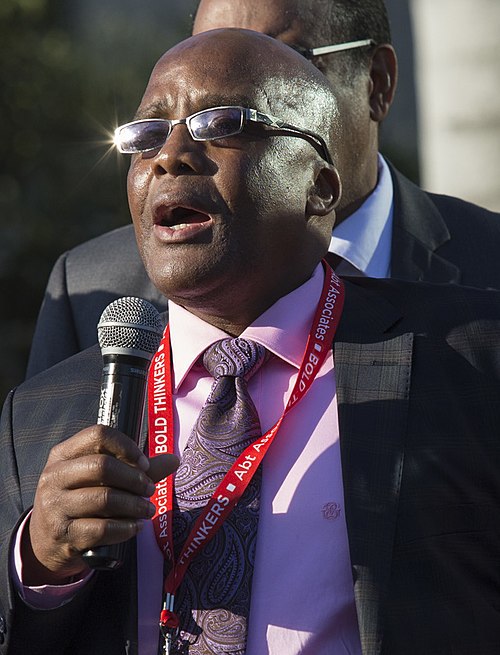
Aaron Motsoaledi
LP; Minister of Home Affairs • South Africa

Abane Ramdane†
FLN Leader & Strategist • Algeria
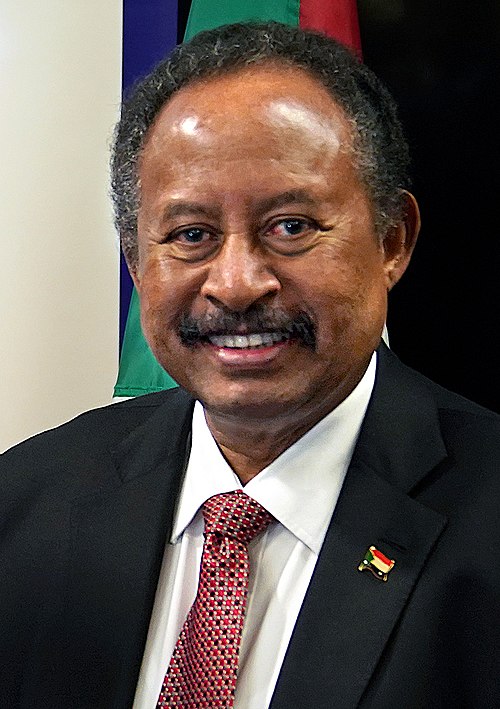
Abdalla Hamdok
Ex-Prime Minister • Sudan
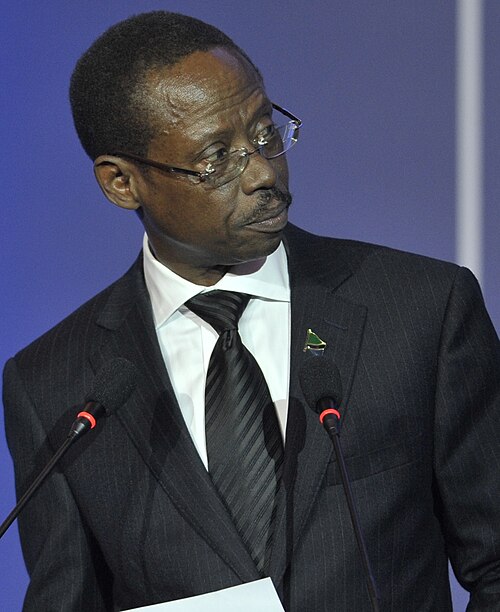
Abdallah Kigoda
Ex-Minister of Natural Resources • Tanzania