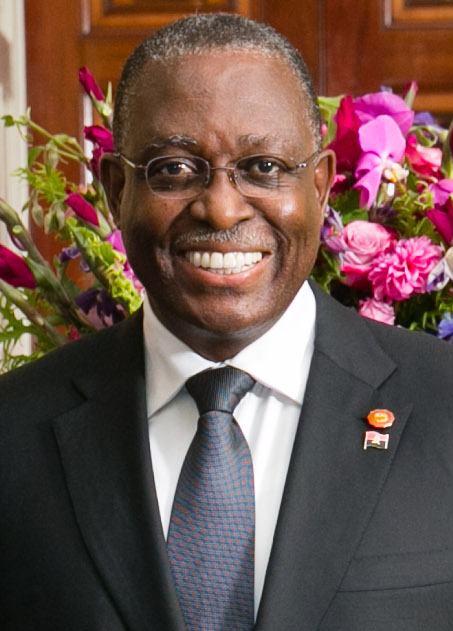
$100M
Estimated Net Worth
As of 2024 • medium confidence
Financial Breakdown
Asset Distribution
Assets vs Liabilities
Assets
Liabilities
Disclaimer: These financial estimates are based on publicly available information and should be considered approximate. Last updated: 12/29/2025
Biography
Introduction: The Architect of Angola's Oil Economy
Manuel Vicente is a defining figure in modern Angolan history, whose career seamlessly bridges the critical spheres of Business & Economics and Politics & Government. Best known as the former Chairman of Angola's national oil company, Sonangol, and later as the country's Vice President, Vicente played an instrumental role in shaping the nation's post-war economy. His tenure at the helm of Sonangol transformed it from a state entity into a globally recognized and formidable player in the international oil industry. As Ex-VP & Sonangol Chair, his influence extended from the boardrooms of multinational corporations to the highest echelons of Angolan political power, making him a central character in the narrative of Angola's oil-fueled development and its complex governance structures. This biography explores the journey of Manuel Vicente, from engineer to one of the most powerful men in Angola.
Early Life & Education: The Formative Years
Manuel Domingos Vicente was born in 1956 in Angola, during the period of Portuguese colonial rule. Details of his early family life are not extensively documented in public sources, but his academic and professional path is a testament to a focus on technical expertise. He pursued higher education in a field that would become the cornerstone of Angola's future: petroleum engineering.
Vicente earned his degree in petroleum engineering from the prestigious University of Angola (now Agostinho Neto University). His formative years as an engineer were spent in the heart of the industry, gaining hands-on experience that would later inform his strategic decisions. He worked for the state oil concern, Sonangol, in various technical and operational capacities during the 1980s, a period marked by the ongoing Angolan Civil War. This ground-level experience within the national company provided Manuel Vicente with an intimate understanding of the country's most vital asset—its oil reserves—and the challenges of operating in a complex and often unstable environment. This technical foundation, built during a turbulent time in Angola's history, equipped him with the practical knowledge that would later define his leadership style.
Career & Major Achievements: From Sonangol to the Vice Presidency
The career of Manuel Vicente is a story of meteoric rise within Angola's state apparatus, closely tied to the country's economic engine—oil.
The Sonangol Era: Building an Oil Giant
Vicente's ascent within Sonangol was steady and significant. After years in technical roles, his strategic vision and managerial skills propelled him into leadership. In 1999, he was appointed to the board of directors. His defining moment came in 1999 when he was named Chairman of the Executive Committee and, effectively, the chief executive of Sonangol, a position he held until 2012.
His leadership at Sonangol is widely regarded as transformative. Key achievements during this period include:
- Professionalization & International Expansion: He oversaw the corporatization of Sonangol, turning it into a more efficient and commercially driven entity. Under his watch, Sonangol expanded its international footprint through partnerships and acquisitions, securing assets in countries like Brazil, Iraq, and across Africa.
- Mastering Production Sharing Agreements (PSAs): Vicente and his team became adept at negotiating complex PSAs with major international oil companies (IOCs) like Chevron, BP, and Total. This ensured Angola maximized its revenue from its vast offshore reserves, particularly during the boom years of the 2000s.
- Diversification and National Development: Beyond core oil operations, he leveraged Sonangol's capital to diversify into other sectors, including banking (Banco BIC), telecommunications, and real estate, making the company a central pillar of the Angolan economy far beyond extraction.
His success at Sonangol made him one of the most powerful and respected figures in the global oil industry and the de facto manager of Angola's vast oil wealth.
Transition to High Politics: Vice President of Angola
In 2012, following the constitutional revision that abolished the direct election of the president and created the position of Vice President, Manuel Vicente made a pivotal transition from business to high-level politics. He was selected by President José Eduardo dos Santos to be the first Vice President of Angola under the new system, serving from 2012 to 2017.
This move underscored the inseparable link between Oil & Politics in Angola. As Vice President, Vicente was tasked with coordinating economic and social affairs, a role that leveraged his extensive managerial experience. He was often seen as the technocratic face of the government, responsible for implementing strategic development plans and interfacing with the international business community. His tenure coincided with the beginning of a severe oil price crash in 2014, which tested the economic model he helped build. His political career, however, was not without controversy, as international investigations into allegations of corruption emerged, casting a shadow over his later years in public office.
Personal Life, Legacy, and Controversies
Manuel Vicente has maintained a relatively private personal life compared to his public profile. He is known to be a devout Catholic. His legacy is intrinsically tied to the development of modern Angola, presenting a complex picture of monumental achievement intertwined with the challenges of governance in a resource-rich state.
On one hand, his supporters and many industry observers credit him with building Sonangol into a competent national oil company that successfully managed Angola's resources and negotiated favorable terms with IOCs, bringing unprecedented revenue into the country. He is viewed as a key architect of Angola's post-war reconstruction and economic growth.
On the other hand, his legacy is scrutinized in the context of the "Angola Model," where immense oil wealth concentrated in state-owned enterprises like Sonangol led to issues of transparency, elite enrichment, and unequal development. Legal challenges, including a notable case in Portugal involving allegations of corruption and money laundering (which was eventually suspended due to his diplomatic immunity and later resolved in a unique legal arrangement), have become part of his narrative. These controversies highlight the intricate and often opaque intersection of Oil & Governance that defined his career.
Net Worth & Business Ventures
As a figure who occupied the highest levels of both state business and politics in Angola for decades, Manuel Vicente is widely presumed to be a person of substantial means, though his exact net worth is not publicly verified. His financial standing is linked to his long tenure at Sonangol, a company that controlled the lifeline of the Angolan economy, and his subsequent political position.
Beyond his official salaries, his wealth is often associated with the broader business ecosystem in Angola. During and after his time at Sonangol, the company's diversification strategy led to investments in numerous non-oil sectors. While these were corporate ventures, they contributed to an economic environment where the lines between state assets, corporate interests, and private wealth of the political elite have been blurred, a common subject of analysis in discussions about resource-rich developing nations. Therefore, any discussion of Manuel Vicente's net worth is inherently connected to the complex structure of Angola's oil-based political economy.
Biography compiled from reputable news archives and analyses on Angolan politics and the global energy sector, including reports from Reuters, Financial Times, and Africa Confidential.
Net Worth Analysis
As a former high-ranking official and state oil company chair, his wealth is substantial but not publicly quantified as a billionaire; estimates typically place him in the high millions due to his political and business roles.
Quick Stats
Related People
Aziz Akhannouch
CEO Akwa Group; Prime Minister of Morocco
Dr. Joyce Aryee
Ex-Minister & CEO
Dr. Papa Kwesi Nduom
CR; M
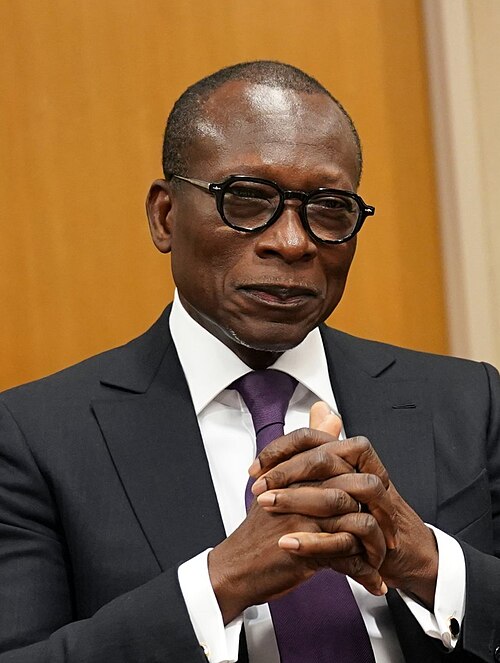
Patrice Talon
Cotton King & President; President of Benin