Financial Breakdown
Asset Distribution
Assets vs Liabilities
Assets
Liabilities
Disclaimer: These financial estimates are based on publicly available information and should be considered approximate. Last updated: 7/31/2026
Biography
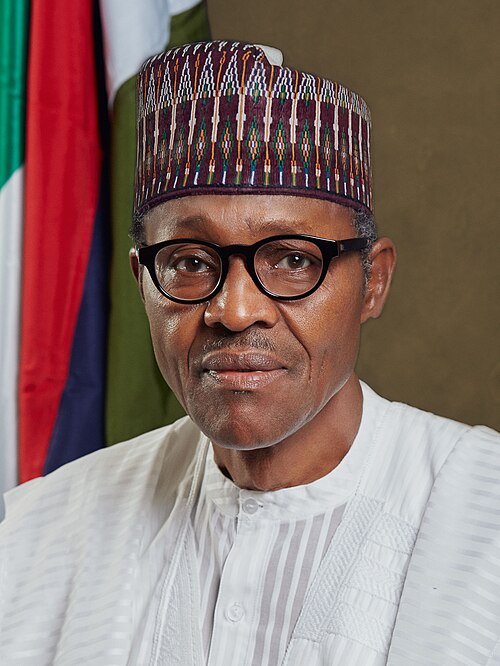
Muhammadu Buhari: The General Who Ruled Twice – From Military Dictator to Democratic President
Muhammadu Buhari stands as one of the most consequential and controversial figures in modern African history. As a Nigerian general and politician, he is unique for having held the highest office in Nigeria under two vastly different systems of governance: first as a military dictator from 1983 to 1985, and later as a democratically elected civilian president from 2015 to 2023. Born in 1942 in Daura, Katsina State, Buhari’s journey from a disciplined soldier to a two-term Ex-President of Nigeria defines the complex narrative of Military & Civilian Rule in the country. His key achievement in his first tenure was a stringent anti-corruption campaign, while his second tenure was marked by infrastructure development and a fierce battle against insurgency. Buhari’s legacy is a dual-edged sword: revered by many for his integrity and austerity, yet criticized for human rights abuses during his military rule and economic stagnation during his civilian presidency.
Early Life & Education
Muhammadu Buhari was born on 17 December 1942 in Daura, a historic city in present-day Katsina State, Nigeria. He was the 23rd child of his father, Hardo Adamu, a Fulani cattle herder and farmer, and his mother, Zulaihatu. Growing up in a modest, traditional Islamic household, Buhari’s early life was shaped by the values of discipline, respect for authority, and rural simplicity. He attended primary school in Daura before moving to Katsina Provincial Secondary School (now Katsina College) for his secondary education. It was here that his leadership qualities began to emerge.
In 1961, Muhammadu Buhari enrolled at the prestigious Nigerian Military Training College in Kaduna (now the Nigerian Defence Academy). His formative military education continued abroad; he underwent officer cadet training at the Mons Officer Cadet School in Aldershot, England. He later attended the United States Army Armor School at Fort Knox, Kentucky, and the Indian Army Staff College at Wellington. This rigorous international military training instilled in him a deep sense of order, nationalism, and a belief in the chain of command—traits that would define his authoritarian style of governance. His education was not merely tactical; it provided him with a worldview that saw military intervention as a necessary corrective to civilian incompetence and corruption.
Career & Major Achievements
Military Career and the 1983 Coup
Muhammadu Buhari joined the Nigerian Army in 1963, serving with distinction during the Nigerian Civil War (1967-1970) as a platoon commander and later as a battalion commander. He rose through the ranks, becoming a key figure in the military establishment. On 31 December 1983, as a Major General, Buhari led a bloodless military coup that overthrew the civilian government of President Shehu Shagari. Citing widespread corruption and economic mismanagement, Buhari installed himself as the Head of State and Commander-in-Chief of the Armed Forces. His regime, the Supreme Military Council, launched the infamous "War Against Indiscipline" (WAI), a draconian campaign aimed at instilling order and morality. Key achievements during this period included a drastic reduction in import dependency and a crackdown on drug trafficking. However, the regime was notorious for its human rights violations, including the jailing of journalists and the infamous Decree 4, which allowed the detention of individuals without trial. His government was overthrown in a palace coup in August 1985 by General Ibrahim Babangida.
Return to Democracy and 2015 Presidential Victory
After years in exile and retirement, Muhammadu Buhari re-entered politics, contesting the presidency three times (2003, 2007, 2011) before finally winning in 2015. He ran under the banner of the All Progressives Congress (APC), defeating the incumbent President Goodluck Jonathan. This victory was historic: it was the first time in Nigerian history that an opposition candidate had defeated a sitting president through the ballot box. Buhari’s campaign was built on three pillars: anti-corruption, fighting insecurity (specifically Boko Haram), and reviving the economy.
Major Achievements as Civilian President (2015-2023)
As President of Nigeria, Muhammadu Buhari achieved several notable milestones. His administration successfully recaptured territory from Boko Haram, significantly degrading the terrorist group’s conventional military capabilities, though asymmetric attacks continued. He launched the Social Investment Programmes (SIP), including the N-Power job scheme for graduates and the Home Grown School Feeding Program which provided meals to millions of schoolchildren. On the economic front, his government introduced the Economic Recovery and Growth Plan (ERGP) to steer the country out of recession. He also signed the Not Too Young To Run Act into law, lowering the age of eligibility for political office. In foreign policy, he played a key role in the fight against corruption globally, and Nigeria under his leadership became a founding member of the African Continental Free Trade Area (AfCFTA). His administration prioritized infrastructure, completing the Second Niger Bridge, the Lagos-Ibadan Railway, and several major road projects.
Personal Life & Legacy
Muhammadu Buhari is a devout Muslim and has been married twice. His first wife, Safinatu (d. 2006), with whom he had five children, divorced him in 1988. He later married Aisha Buhari, an activist and advocate for women’s and children’s rights, with whom he has five children. Aisha Buhari was a prominent voice during his presidency, often speaking out on issues of governance and health. Buhari is known for his austere personal lifestyle, often described as frugal and unpretentious. He does not drink alcohol or smoke, and his personal integrity is rarely questioned even by his harshest critics. His legacy is deeply polarized. Supporters view him as a father figure who restored dignity to the presidency and fought corruption. Critics point to his failure to diversify the economy away from oil, rising poverty levels, and the brutal suppression of dissent during his military rule. Nonetheless, Muhammadu Buhari remains a towering figure in the narrative of Nigeria’s political evolution from military rule to democracy.
Net Worth & Business Holdings
Unlike many global leaders, Muhammadu Buhari is not known for amassing significant personal wealth or owning sprawling business empires. His net worth is estimated to be modest, largely consisting of agricultural land in his hometown of Daura and a few residential properties. He has consistently declared his assets, a practice he championed as a symbol of transparency. He owns a farm and some livestock, reflecting his Fulani heritage. His financial context is defined by public service salaries and pensions, rather than corporate holdings or investments in major companies. This lack of visible wealth has bolstered his image as an incorruptible leader, though critics argue it reflects a lack of economic vision for the country. His net worth is generally estimated to be under R 16.2 Million, placing him among the least wealthy former heads of state in Africa.
Frequently Asked Questions
What is Muhammadu Buhari's estimated net worth?
Muhammadu Buhari has an estimated net worth of R 16.2 Million.
What is Muhammadu Buhari's role and nationality?
Muhammadu Buhari is a Ex-President of Nigeria from Nigeria.
How did Muhammadu Buhari make their money?
Muhammadu Buhari built their fortune primarily through Muhammadu Buhari's net worth is estimated at around $1 million, based on his long military and political career without evidence of major business holdings or corruption allegations resulting in publicly disclosed wealth..
How old is Muhammadu Buhari?
Muhammadu Buhari was born in 1942 (84 years old).
Which category is Muhammadu Buhari listed under?
Muhammadu Buhari is featured under the Politics & Government category on NetWorth Africa.
How is Muhammadu Buhari's net worth calculated?
NetWorth Africa estimates financial valuations using publicly available stock equity holdings, company ownership records, real estate assets, and verified market data.
Net Worth Analysis
Muhammadu Buhari's net worth is estimated at around R 16.2 Million, based on his long military and political career without evidence of major business holdings or corruption allegations resulting in publicly disclosed wealth.
Quick Stats
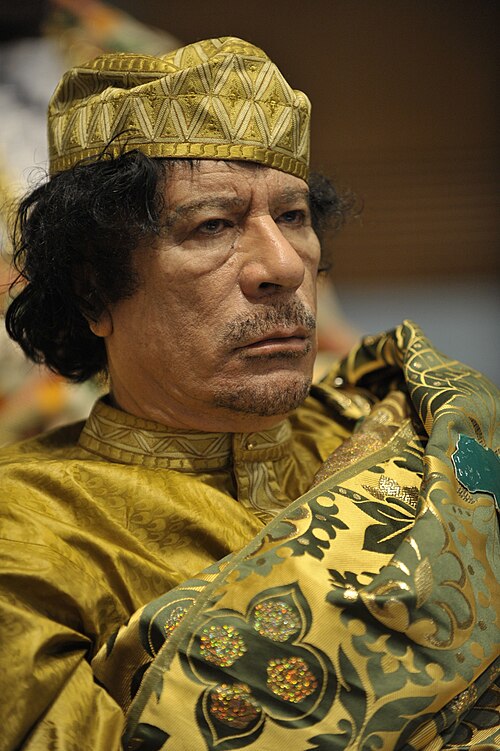
Related People
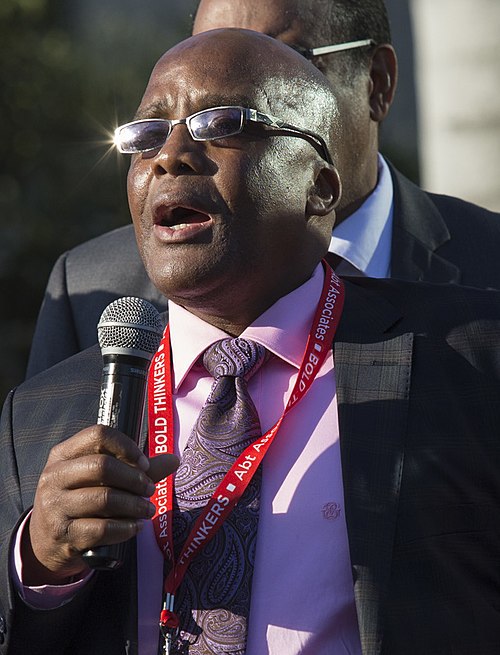
Aaron Motsoaledi
LP; Minister of Home Affairs • South Africa
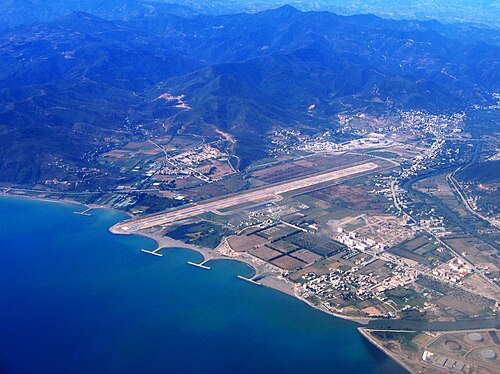
Abane Ramdane†
FLN Leader & Strategist • Algeria
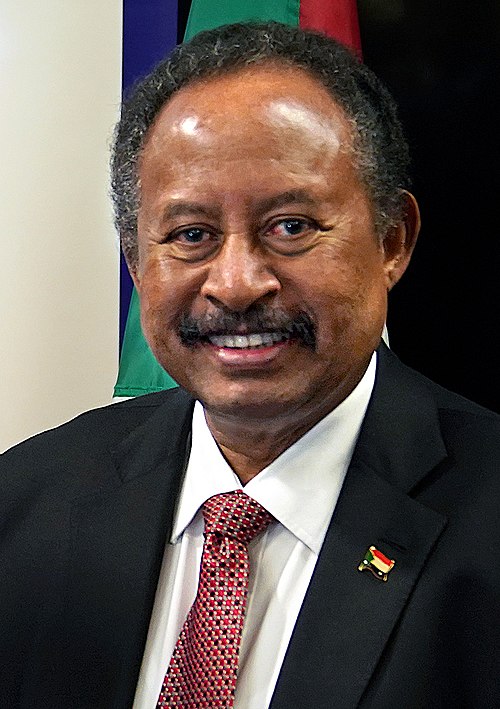
Abdalla Hamdok
Ex-Prime Minister • Sudan
Abdallah Kigoda
Ex-Minister of Natural Resources • Tanzania